

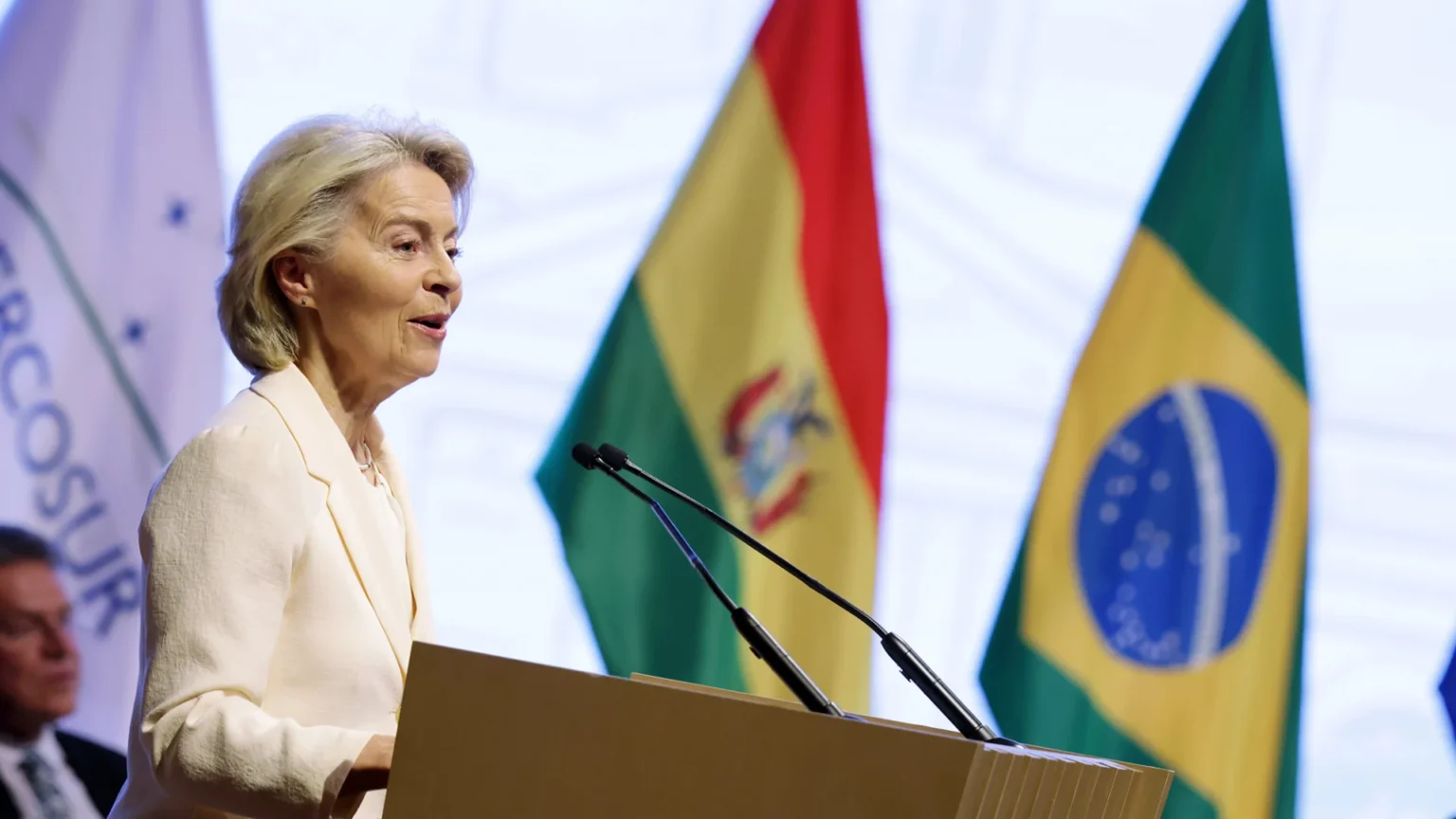
Delivering on the promise of the EU-Mercosur agreement: Implications for the next MFF (2026)
The signing of the EU-Mercosur agreement marks a major milestone, creating one of the world’s largest free trade areas, even if

The EU’s critical raw materials maze: Why methodology won’t save the Green Deal (2026)
In the context of the EU seeking more strategic autonomy for its green and digital transition, Poorva Karkare explores the

Green industrialisation in an age of disruption: Africa, Europe and the global economy (2025)
Alfonso Medinilla, Koen Dekeyser and Poorva Karkare highlight the findings of a multi-year research programme on the green...
An African battery value chain to kickstart green industrialisation (2023)
Guinea holds an estimated 40 billion tons of bauxite reserves, accounting for approximately one-third of global reserves. To add value to this critical...
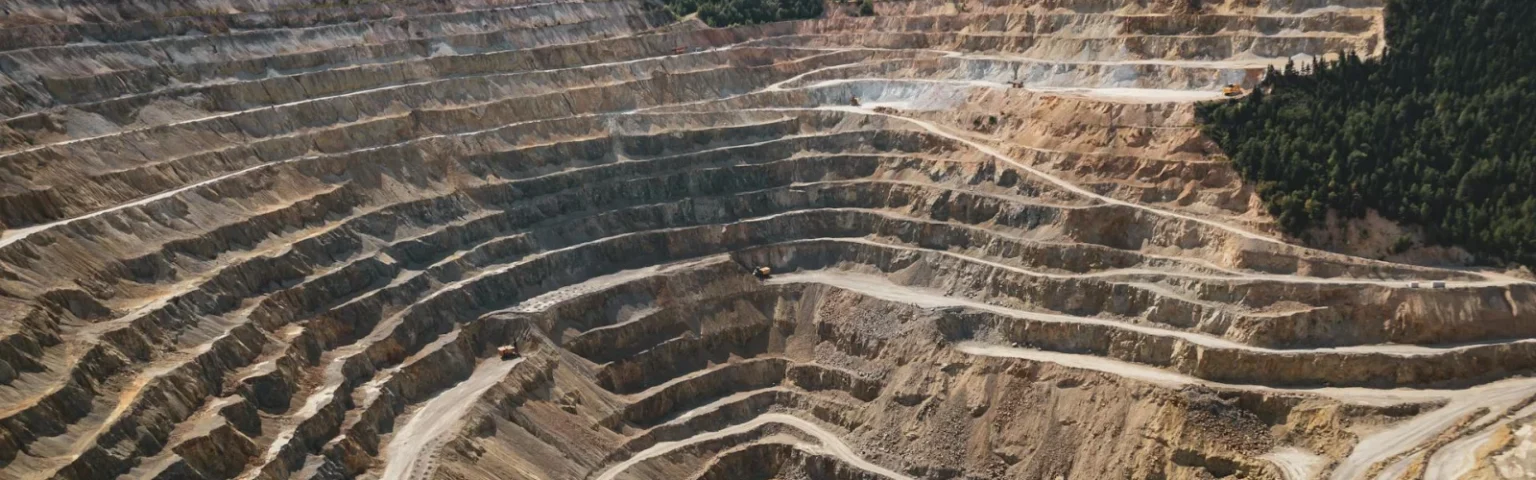
Resource nationalism in the age of green industrialisation (2024)
The critical raw materials essential for driving the global green transition are now at the forefront of geopolitical concerns, as some governments...
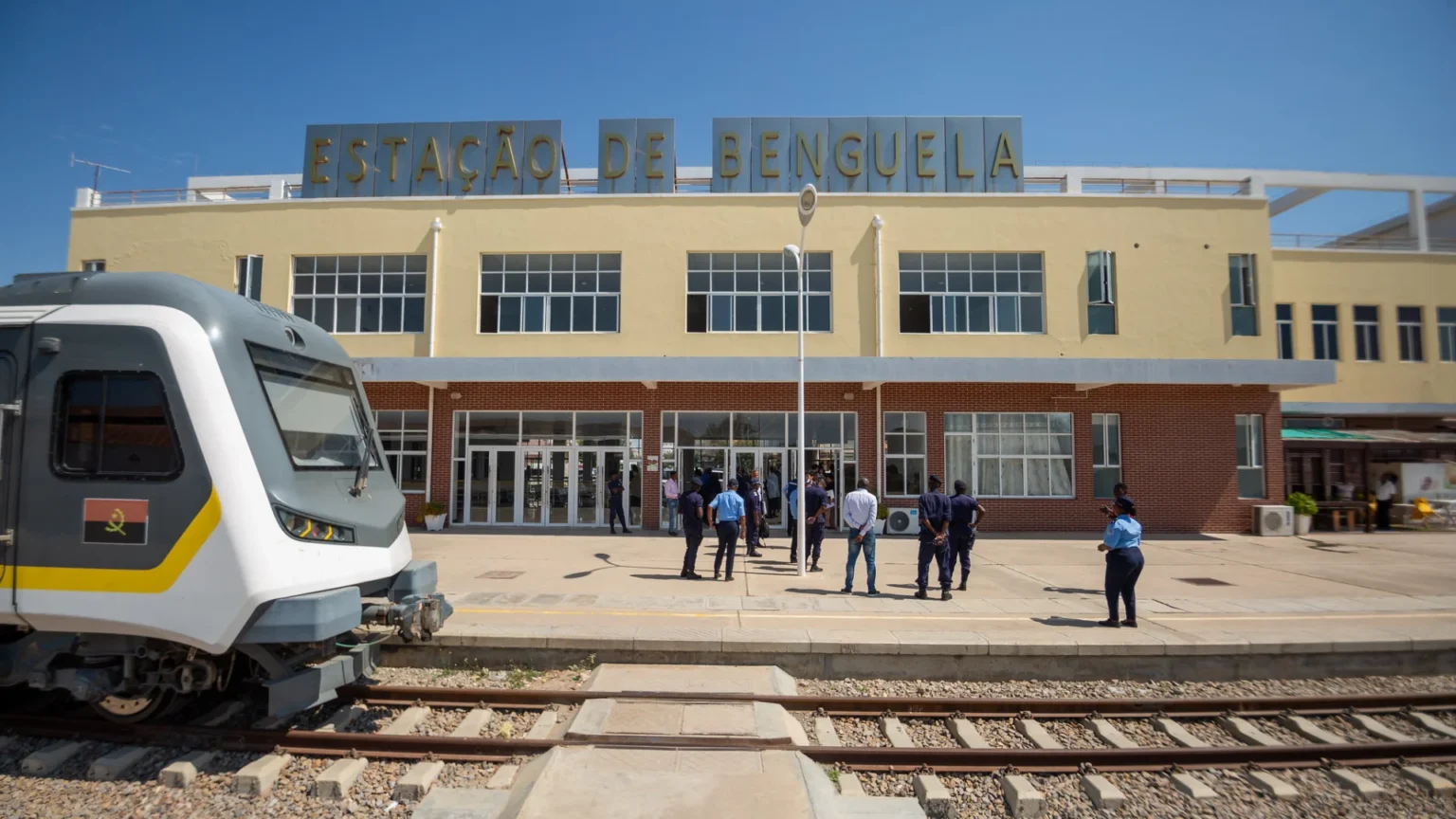
The Lobito Corridor: Between European geopolitics and African agency (2025)
The Lobito Corridor, connecting the DRC, Zambia and Angola, is often discussed in terms of geopolitical competition – with the EU and...
The EU’s partnerships around critical raw materials: Do its ambitions match reality? (2025)
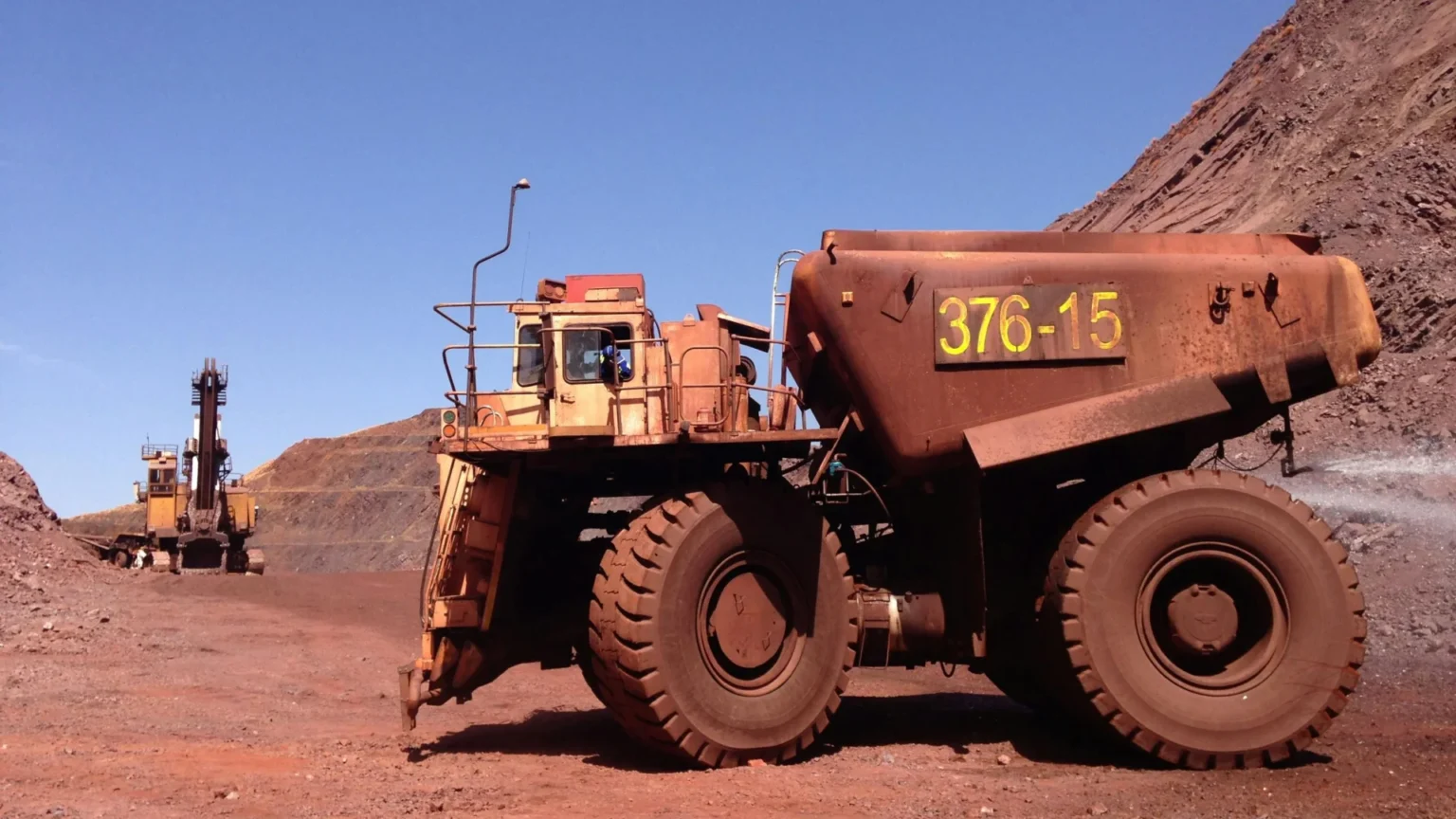
The EU heavily relies on critical raw material imports but faces a strategic dilemma: how to secure these resources amid strained transatlantic...
The EU’s playbook for African minerals amid China’s dominance (2025)
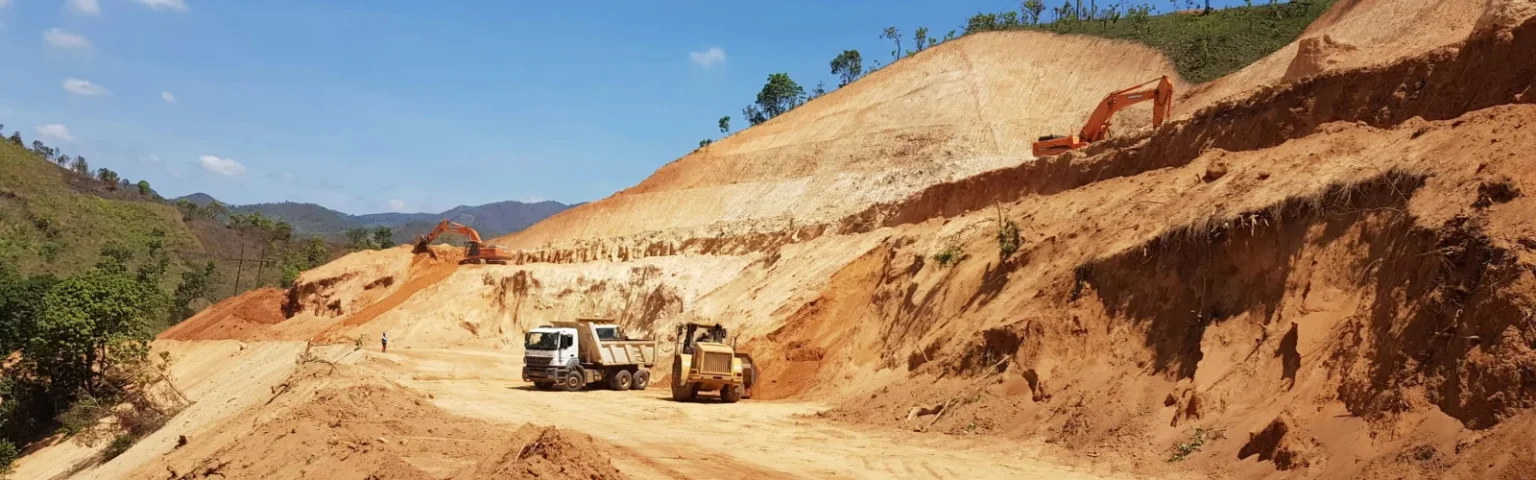
With China remaining dominant in the field of critical raw materials, Poorva Karkare and Karim Karaki argue that the EU can draw...
Environmental peacebuilding as a climate-security priority for the EU – Examples from the Sahel (2025)
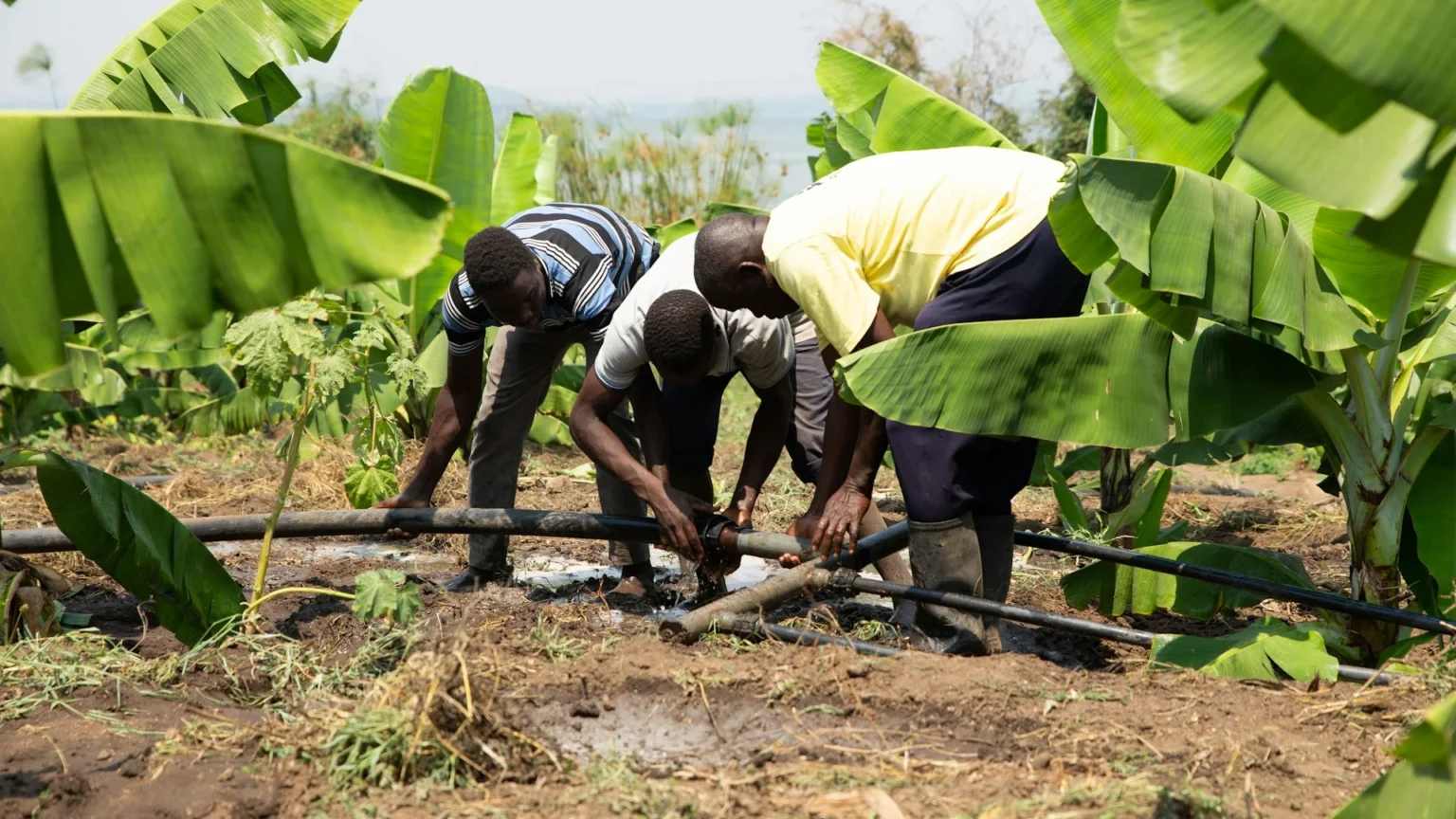
Environmental peacebuilding can help address the Sahel’s interlinked crises of conflict, climate change and fragility. Drawing on practical examples...
Skills training to support Guinea’s industrial transformation (2025)
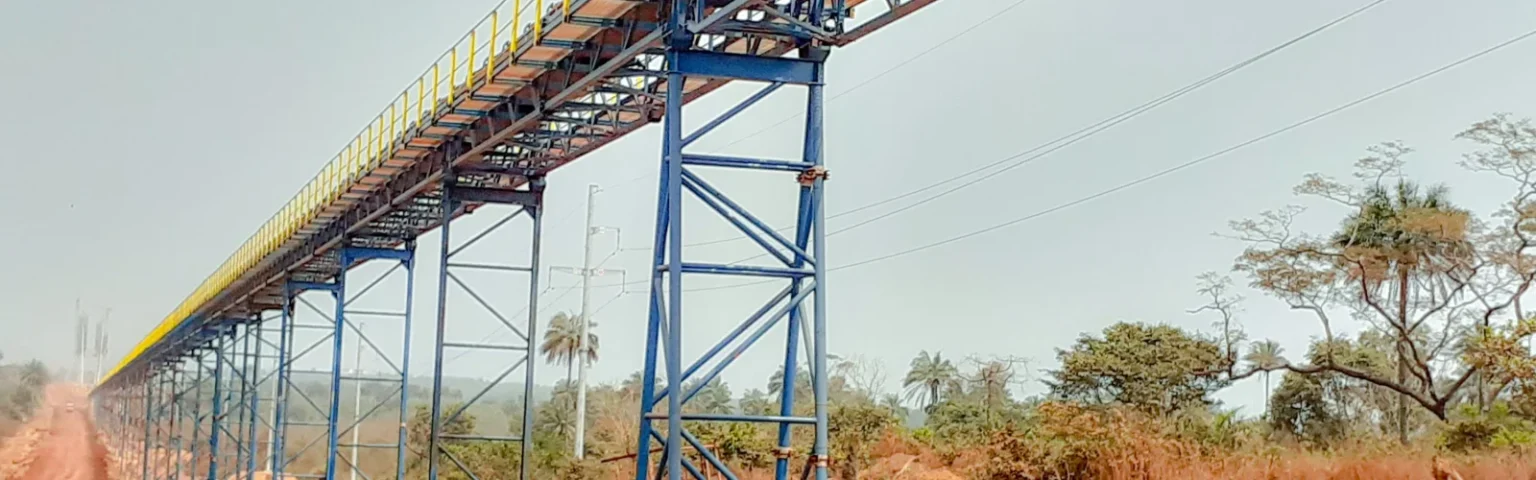
Guinea holds an estimated 40 billion tons of bauxite reserves, accounting for approximately one-third of global reserves. To add value to this critical...

The EU needs African resources for its green transition: Can it circumvent China? (2025)
The EU's green and digital ambitions depend on a stable supply of critical raw materials like lithium, cobalt and graphite. With growing concerns...

Green industrialisation: Leveraging critical raw materials for an African battery value chain (2023)
African countries are exploring opportunities to add more value to their critical raw materials for green industrialisation. This paper assesses the potential for an African...
The geography of green iron and steel: New opportunities for Europe and North Africa (2024)
Steel – accounting for 8% of global emissions – is a critical sector in which the technology exists to decarbonise production...
A call for realignment on Africa-Europe climate and energy cooperation (2025)
Ahead of the AU-EU summit, Africa and Europe share an interest in rebuilding their climate and energy partnership authors outline five recommendations...

Critical Raw Materials: Geopolitical chess or tug-of-war for development? (2024)
Critical raw materials are vital for the EU's green transition and offer African countries a path to green industrialisation. However,...
Geopolitical risk: raw materials and technological dependence (2023)
In 1992 the father of China’s economic revolution, Deng Xiaoping, said that ‘the Middle East has the oil, but China has the rare earths’. Rare earths...
Exploring where and how to strengthen EU-LAC cooperation on climate action and the just energy transition: a focus on Colombia and Chile (2025)
This analysis outlines some of the main areas of cooperation between the EU and Colombia and Chile, respectively, on climate change and the just...
Dissecting the Draghi Report (2024)
The Elcano Team contributes to the debate on the future of European competitiveness by analysing the 176 proposals of the Draghi Report.
Investing for a more assertive digital and clean European industry (2025)
While the European Commission's 2019-2024 mandate focused on the "twin green and digital transition," the European narrative has ...
Towards an integrated EU-Latin America economic space (2025)
The convergence of a fragmented geopolitics , the protectionist shift in the United States, and the growing US-China rivalry presents...
Critical minerals and strategic autonomy: perspectives from Spain and the EU (2025)
Secure and stable access to critical minerals is decisive in today’s geopolitical environment and for the future of the twin green and digital transitions. Lithium, cobalt, nickel...
Navigating development and geopolitics: ASEAN’s approach to critical minerals and prospects for cooperation with the EU (2026)
ASEAN is becoming a key player in the emerging politics of critical minerals. The region accounts for around 26% of global exports and holds particularly dominant positions in minerals...
Strategic Security and Critical Raw Materials: The Role of the European Investment Bank (2023)
A secure supply of critical raw materials (CRMs) is crucial for the realisation of the European Union’s energy transition. To increase domestic...
How the G7 Can Effectively Back Africa’s Twin Goal of Energy Access and Transition (2024)
At the Africa Climate Summit held in Kenya in 2023, African heads of state and government produced the Nairobi Declaration,[1] which is now the basis...

Critical Raw Materials, Economic Statecraft and Europe’s Dependence on China (2025)
The People’s Republic of China (PRC) holds a dominant position along wide swaths of critical mineral and technology value chains that...
EU and Italian De-risking Strategies for Energy Transition: Critical Raw Materials (2023)
I governi e gli addetti al settore sono diventati in generale consapevoli della dimensione relativa alle materie prime per la transizione verde...

Reality Check: The Regulatory Dimension of the EU De-risking Strategy for Critical Raw Materials and Semiconductors (2025)
Le catene di approvvigionamento globali sono soggette a crescenti shock geopolitici, quindi l’Unione europea sta ricalibrando la propria...
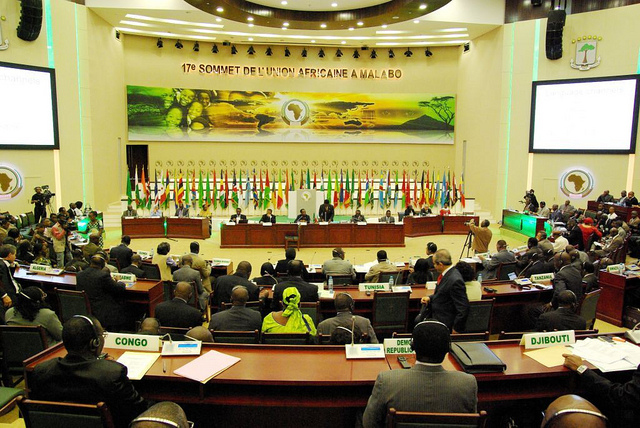
Can South Africa’s G20 Moment Consolidate Efforts on Just Mineral Supply Chains? (2025)
To assert greater agency over its vast resources and critical minerals (CRMs) – crucial for the world’s energy and digital transitions – African countries look at the first African-led G20 as a big...
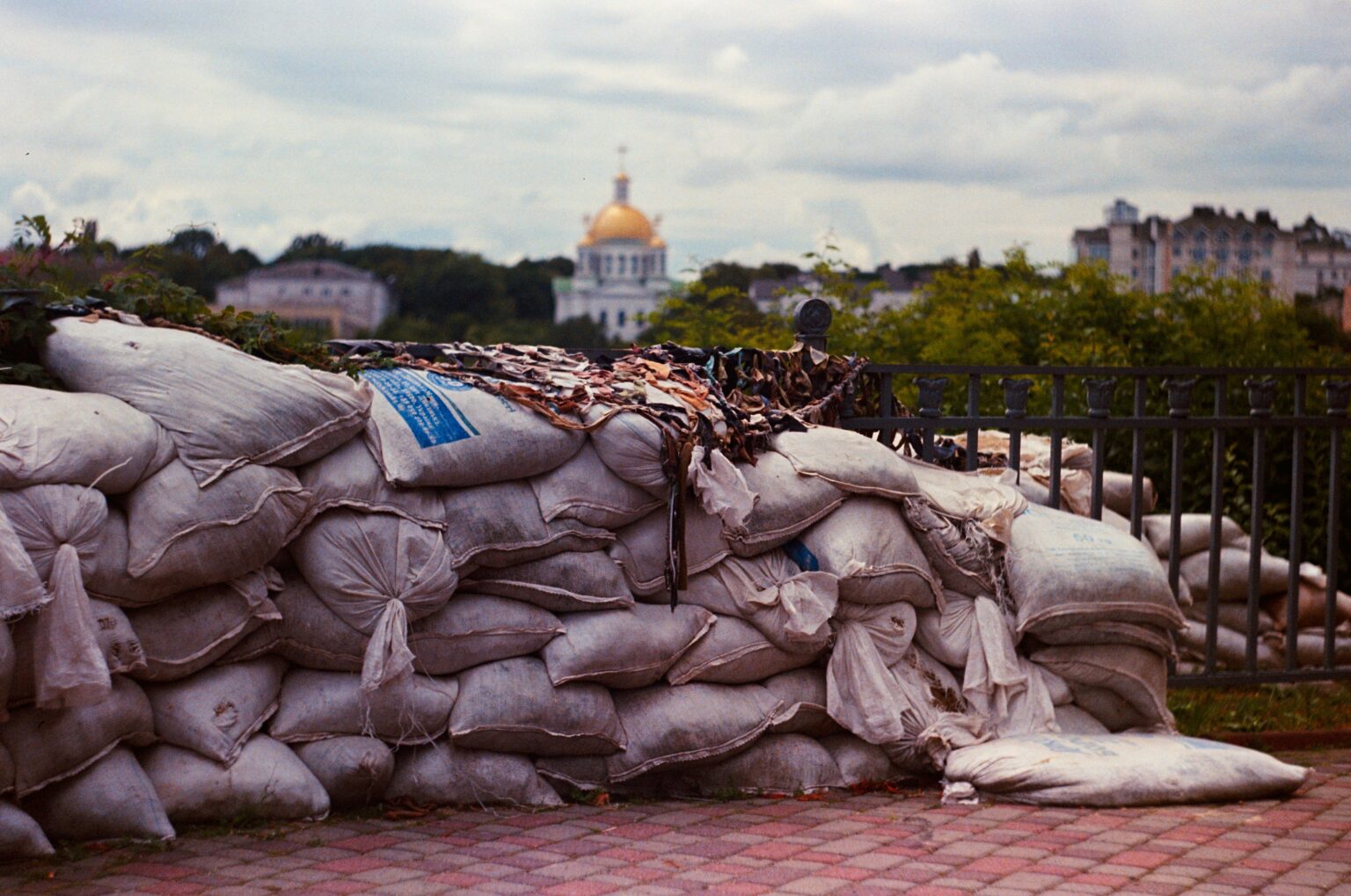
The Diplomacy of Survival:
Kyiv’s War Beyond the Battlefield (2025)
When Russia launched its full-scale invasion in February 2022, Kyiv found itself fighting on multiple fronts: the battlefield, the information sphere...
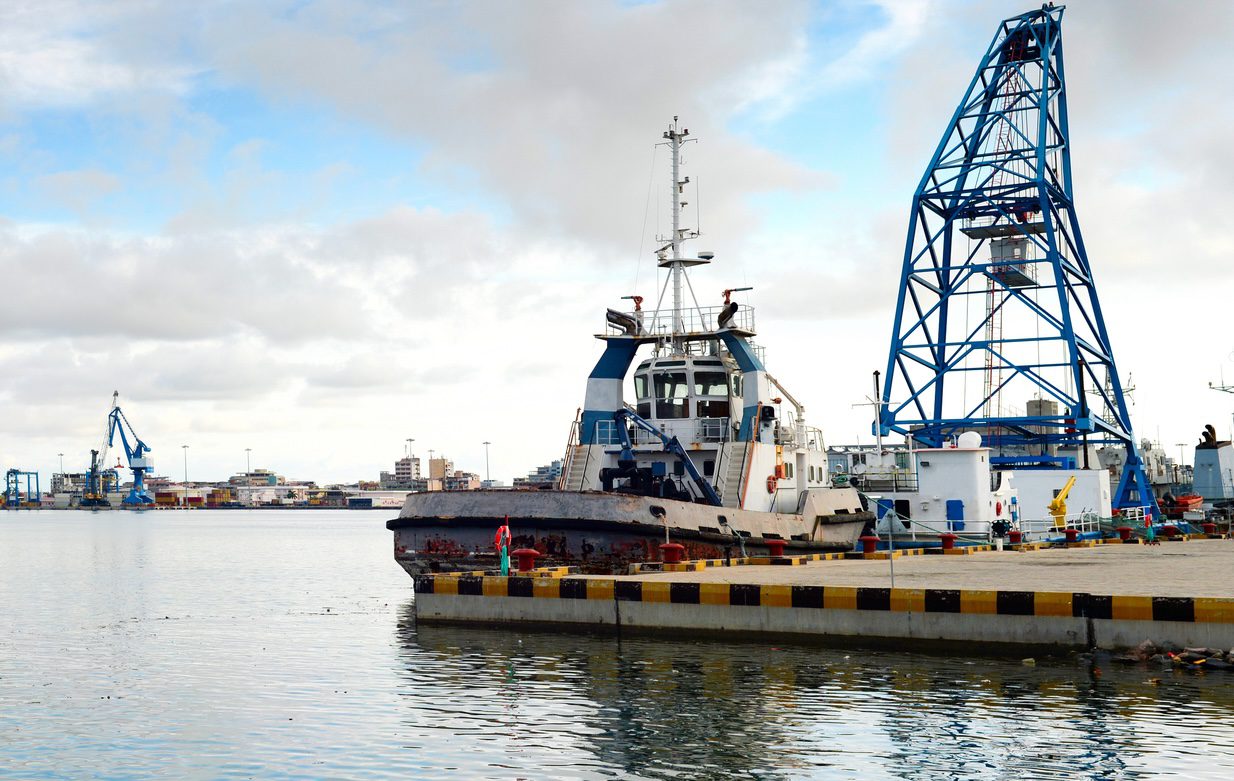
The Lobito Corridor and Africa’s Development Agenda: Synergies with the Mattei Plan and Global Gateway (2026)
The Lobito Corridor is a 1,300-km railway connecting the mineral-rich ‘Copperbelt’ of the DRC and Zambia to the Port of Lobito in Angola ...
Aligning decarbonization, circularity and competitiveness in Europe’s automotive industry (2025)
In January 2025, the EU Commission President Ursula von der Leyen launched a Strategic Dialogue on the Future of the European Automotive....
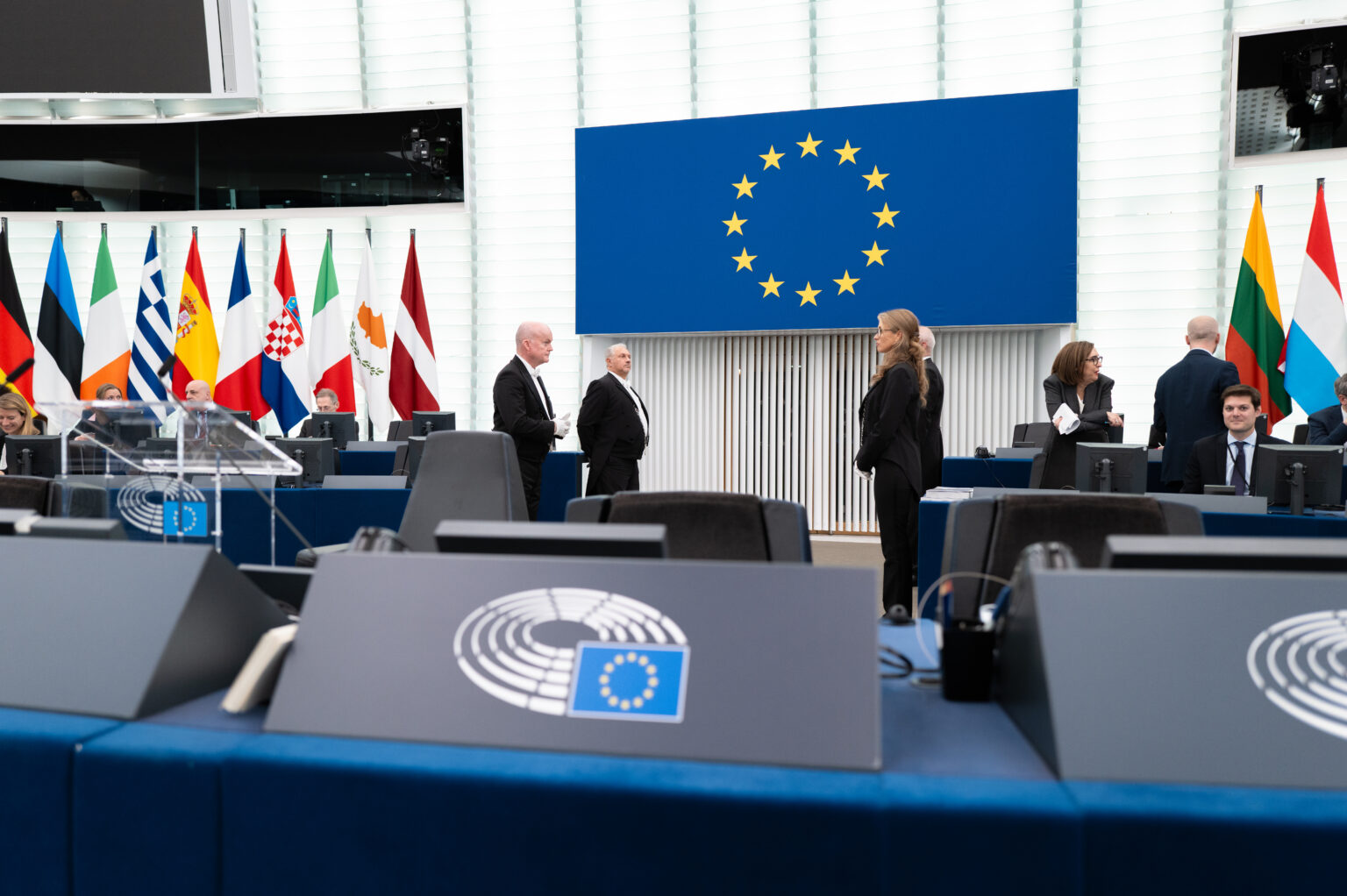
New industrial policies: lessons for the EU and the Clean Industrial Deal (2025)
This Study analyzes the industrial policies pursued in 10 countries (Germany, China, South Korea, Spain, the United States, France, Italy, Japan, Poland and Sweden) and the....
Leveraging Green Industrialisation for a Just Transition: Africa-Europe Cooperation (2024)
Citation Barchiche, D., Medinilla, A., Kilelu, C., Treyer, S., Okereke, C. (2024). Leveraging Green Industrialisation for a Just Transition...
Critical metals for electric vehicle batteries: how to control demand (2023)
The necessary electrification of the car fleet as part of the ecological transition must be accompanied by a major shift towards greater sufficiency...
After US elections, Africa and Europe should strengthen partnership for green industrialization (2024)
Amutually beneficial industrial partnership between Europe and Africa has long been recognized as essential for effective climate action...
Green industrialization priorities in Africa and partnerships opportunities with Europe (2026)
Green industrial partnerships between Africa and Europe can deliver mutual benefits: 1) for African economies, they could simultaneously address economic development challenges ...
New industrial policies: lessons for the EU and the Clean Industrial Deal (2025)
This Study analyzes the industrial policies pursued in 10 countries (Germany, China, South Korea, Spain, the United States, France, Italy, Japan, Poland and Sweden)...
Should deep sea minerals be exploited? (2023)
Deep seas are rich in mineral resources, particularly critical materials, some of which are rarer on land and are needed to build batteries. Deep seas have already been ....

Africa’s critical minerals for the energy transition: strategies of external powers and African agency (2025)
The global rush for critical minerals has intensified amid a changing and complex world order. Multiple powers, including China and the United States ...

From mines to markets: gravity model insights on critical raw material trade (2025)
Access to critical raw materials (CRMs) is increasingly shaped by geopolitical dynamics, sparking a global competition for supply security. Using the gravity model of trade, we examine how OECD countries leverage ...
Green jobs and green economic development in Kigali’s construction value chain: evidence from a firm survey (2025)
Green, circular buildings and their construction are essential for climate change mitigation and resource efficiency. However, the impact of a systematic...

From mines to markets: gravity model insights on critical raw material trade (2025)
Access to critical raw materials (CRMs) is increasingly being shaped by geopolitical dynamics, fuelling a global competition for supply security...

Achieving strategic autonomy: critical raw materials and low-emission hydrogen (2024)
The agreed shift towards a net zero industry in Europe and elsewhere increases demand for critical raw materials (CRMs) and low-emission...
EU trade policy and geopolitics Challenges for the new EU (2024)
Bonn, 2 September 2024. The EU has created numerous new unilateral trade and investment instruments to reposition itself in an environment...
CRMs in EU trade discourse: navigating a trilemma in times of geopolitical competition (2025)
Critical minerals (CMs) have become a strategic priority for the European Union (EU) amid the green and digital transitions. These resources...
From Mines to Markets Gravity Model Insights on Critical Raw Material Trade
Access to critical raw materials (CRMs) is increasingly being shaped by geopolitical dynamics, fuelling a global competition for supply security. This paper applies the gravity...

Africa’s critical minerals for the energy transition: strategies of external powers and African agency
The global rush for critical minerals has intensified amid a changing and complex world order. Multiple powers, including China and the United States ...

Critical minerals, critical moment: Africa’s role in the AI revolution (2025)
When discussing advances in Artificial Intelligence (AI) models, whether they are niche analytical tools or Large Language Models (LLM) such as...
China’s evolving role in Africa’s energy transition - Overseas trade and investment in Kenya, Mozambique and South Africa (2025)
China has become a major global player in energy finance, infrastructure development and clean technology exports. This report explores the...
Building resilient and mutually beneficial critical raw materials supply chains (2025)
Co-hosted by ODI Europe and the European Climate Foundation, the Second International Climate, Trade and Industrial Policy Dialogue brought together...
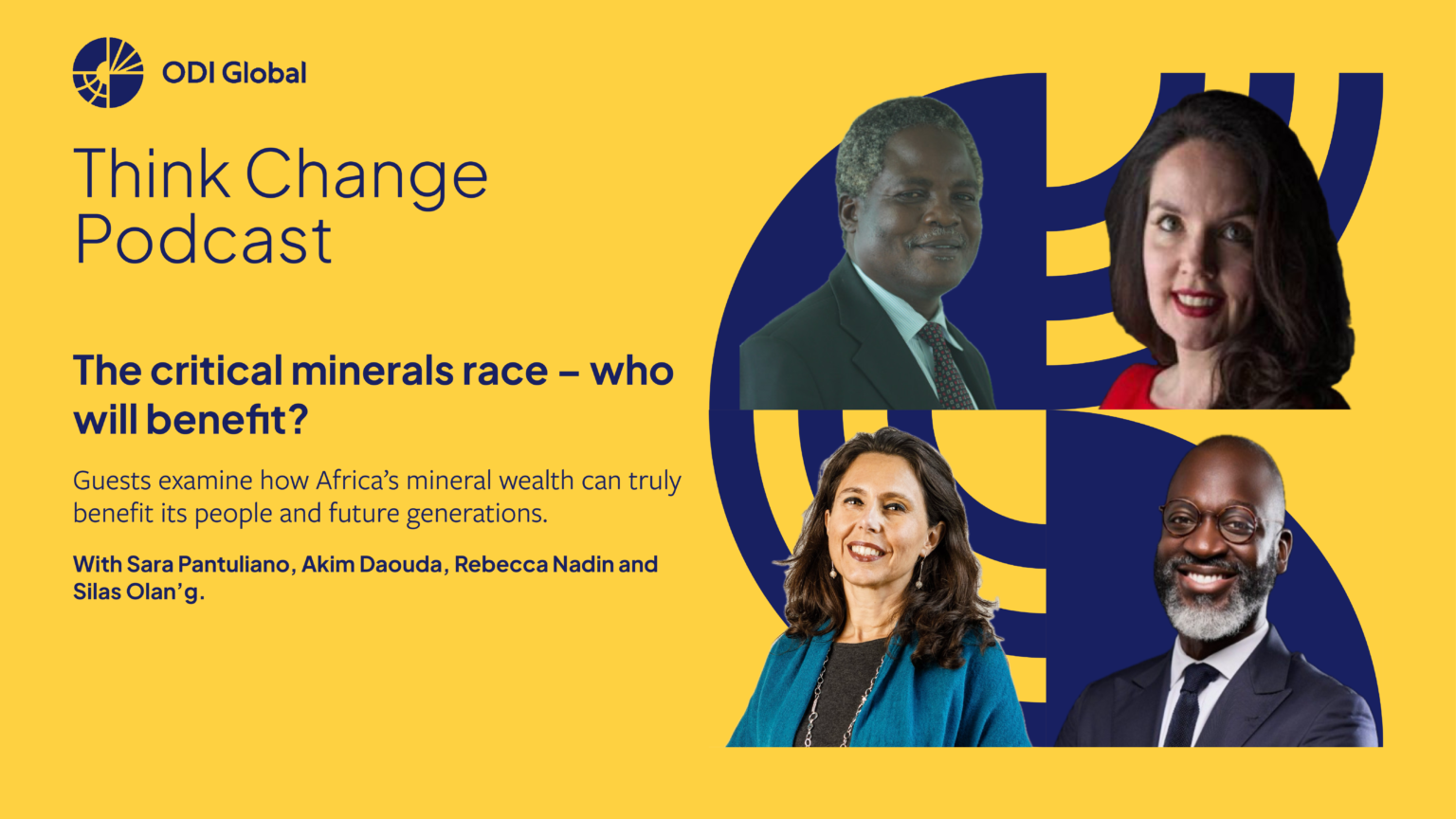
Think Change episode 71: the critical minerals race – who stands to benefit? (2025)
Minerals like lithium, cobalt and rare earth are not just commodities. They are strategic assets which are shaping global power and the future of the...
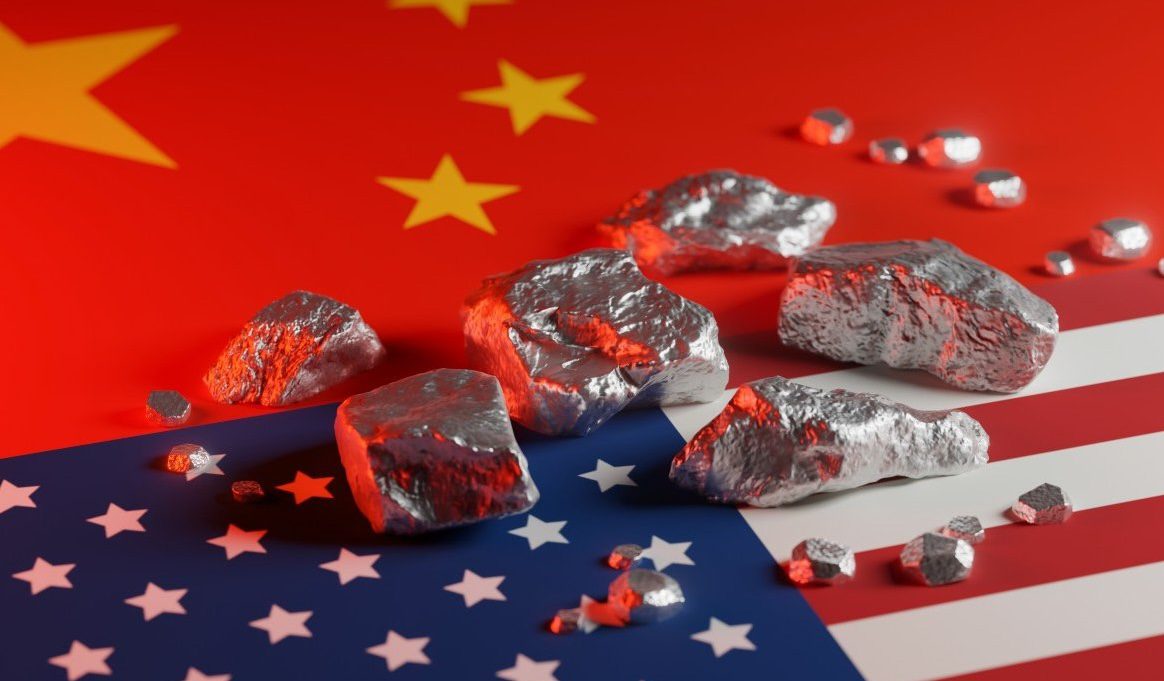
Critical minerals geopolitics in 2026: risks, supply chains and global power shifts (2026)
In 2026, competition over critical minerals continues reshaping geopolitical risk, industrial policy and national security. From US project finance and EU ....