ettg

COLLECTION

Global Governance Collection

The architecture of global cooperation is shifting from a nominally universal, rules‑based order to a more fragmented, competitive landscape shaped by “variable alliances”, multi‑alignment and regional leadership from the Global South. The return of a transactional “America First” doctrine in early 2025, combined with systemic rivalry and the weaponisation of trade and finance, is forcing governments and institutions to re‑think where multilateralism still delivers and where alternative formats are emerging.

For the EU, this is not simply a question of defending a status quo that no longer exists, it requires a realistic reading of power shifts, a willingness to share decision‑making with emerging actors, and a more strategic use of its economic, regulatory and financial assets.
About
This Collection

This collection examines how global cooperation is being reshaped in an era of competing visions, transactional diplomacy and shifting power, drawing from ETTG and member research to unpack both the turning points and the emerging rules of the game.

Bringing together perspectives from different capitals and thematic fields, it helps readers navigate the move from universal agendas to issue based coalitions, understand how actors in the Global South and Europe are redefining multilateralism in practice, and identify concrete priorities for EU external action, multilateral reform, and the international financial architecture.

Multilateralism after Hegemony

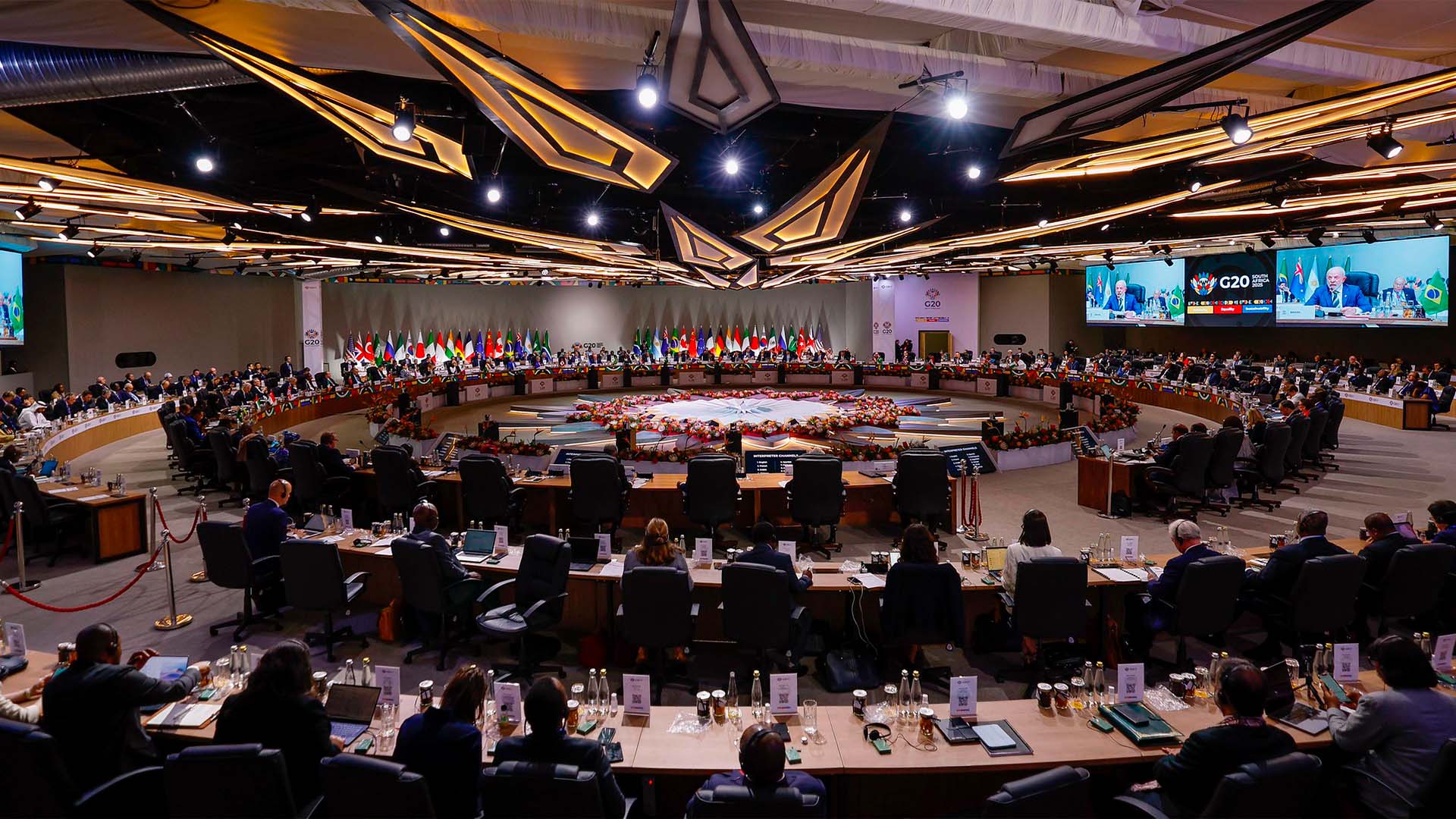
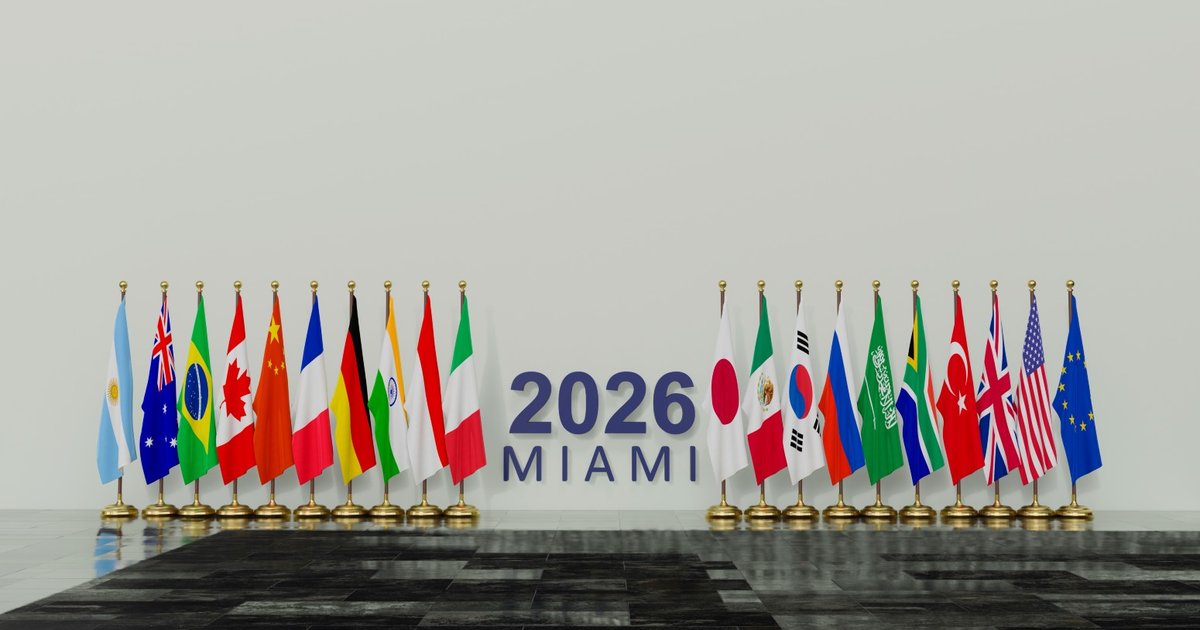
ETTG and member analyses suggest the global order is entering a “post-hegemonic” phase where cooperation persists without a single stabilising centre. The 2025 G20 summit in Johannesburg, held without US participation, illustrated how coalitions led by South Africa and other emerging powers can sustain multilateral outcomes. This trend carries into the 2026 G20 process in São Paulo, where Sherpas worked to operationalise climate-debt swaps and rules for concessional finance. Shared outcomes now depend on negotiated pragmatism among mid-sized powers. IDOS work conceptualises the “New Washington Dissensus” as a break with the 2030 Agenda, while IAI research shows how economic statecraft and subsidies are used as tools of power. ECDPM frames this as a landscape of overlapping coalitions that requires significant diplomatic bandwidth to navigate.

The Global South and New Coalitions

Elcano’s work on global presence highlights the consolidation of a more assertive Global South, where actors like Brazil, India, and South Africa practice multi-alignment rather than bloc politics. BRICS+ expansion and new coalitions on digital governance show how leadership now operates through variable geometry. ODI Global’s scenarios underline that development cooperation is pulled between climate-centred solidarity and transactional partnerships. IDOS and ECDPM note that while African and European actors remain committed to multilateralism, divergences persist on debt restructuring and climate finance sequencing. IDDRI’s analysis of UNEA-7 shows that inclusive fora can deliver progress on biodiversity and resources, provided they integrate the industrial ambitions of emerging economies. The capacity to bridge these agendas will determine if new coalitions reinforce or replace traditional mechanisms.

The UN at 80: Mandates, Money and Majorities

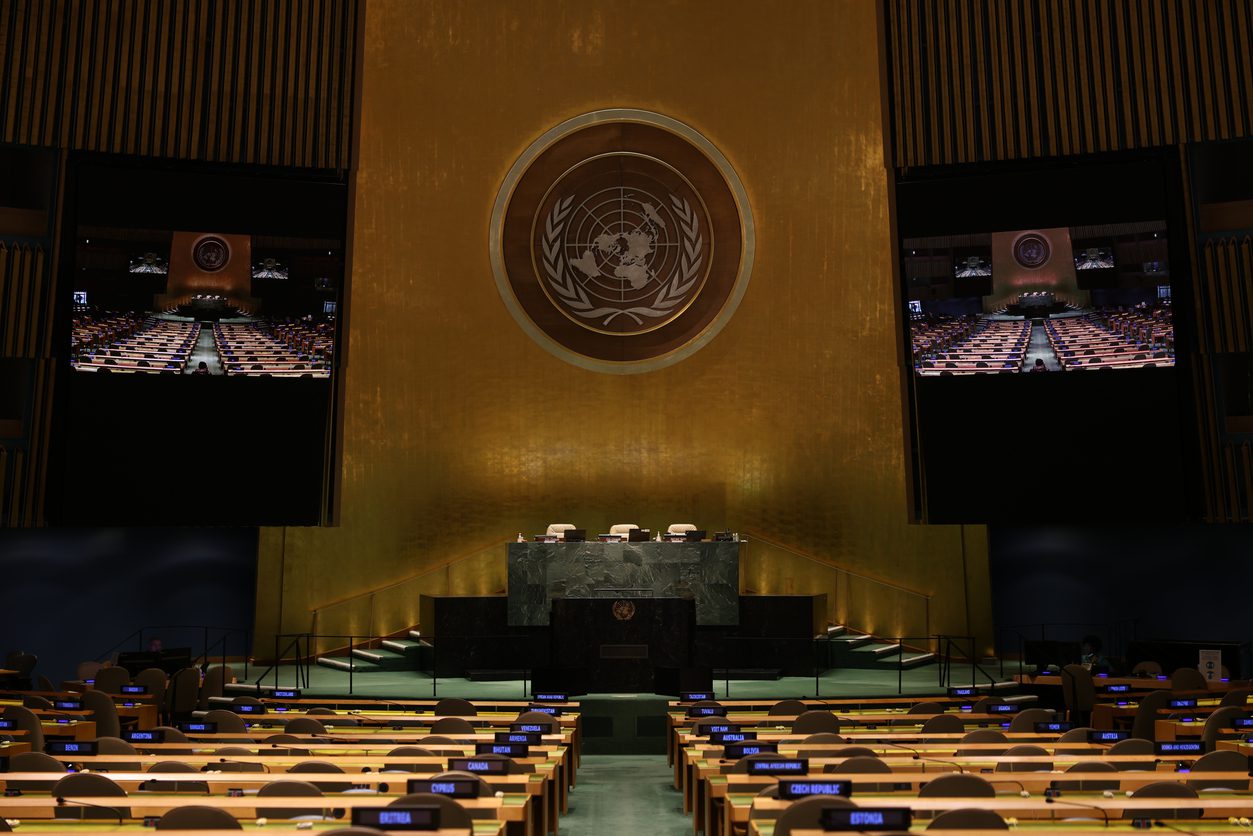
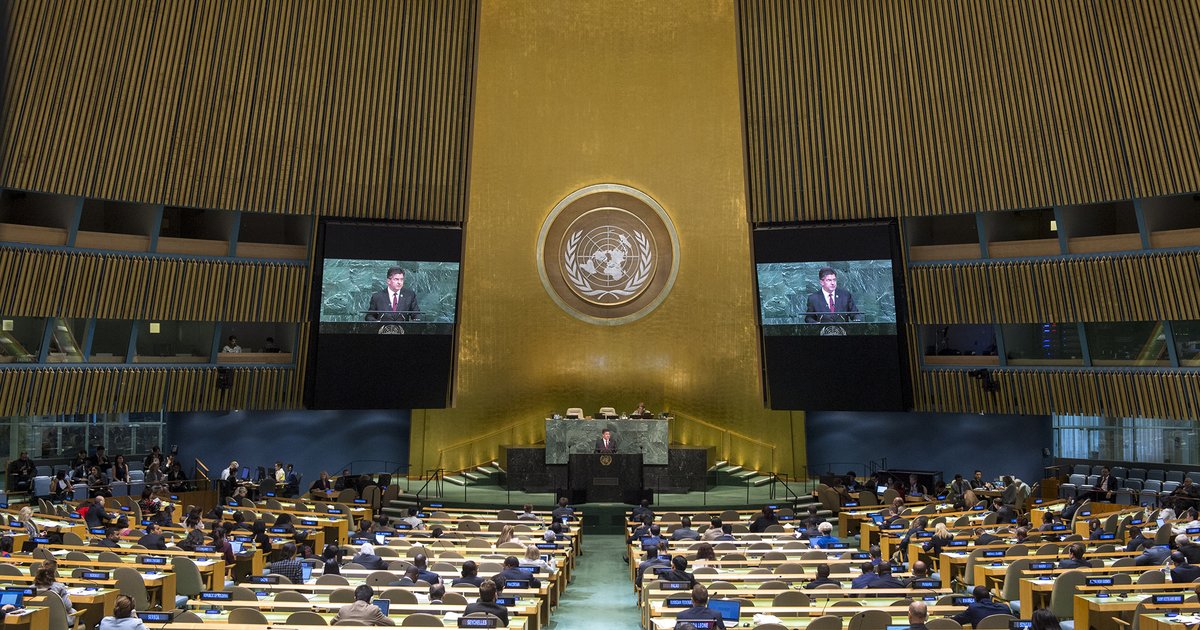
As the UN commemorates its 80th anniversary, ETTG and members point to a widening gap between broad mandates and constrained resources. IAI research on financial governance shows how unilateral measures and competing regional arrangements risk sidelining UN-anchored frameworks in favour of fragmented clubs. Yet, Elcano and ECDPM highlight that UN bodies remain central arenas for Europe, Africa, and Latin America to push for representative decision-making and coherent responses to climate risk. IDDRI’s work on UNEA-7 suggests environmental negotiations can function as laboratories for pragmatic multilateralism focused on accountability rather than declarations alone. ETTG analysis suggests UN80 reform must address the delivery gap, exploring institutional mergers and infrastructure models that transform the UN from a convening body into a robust global implementation hub.

Environmental and Tax Governance as Stress Tests

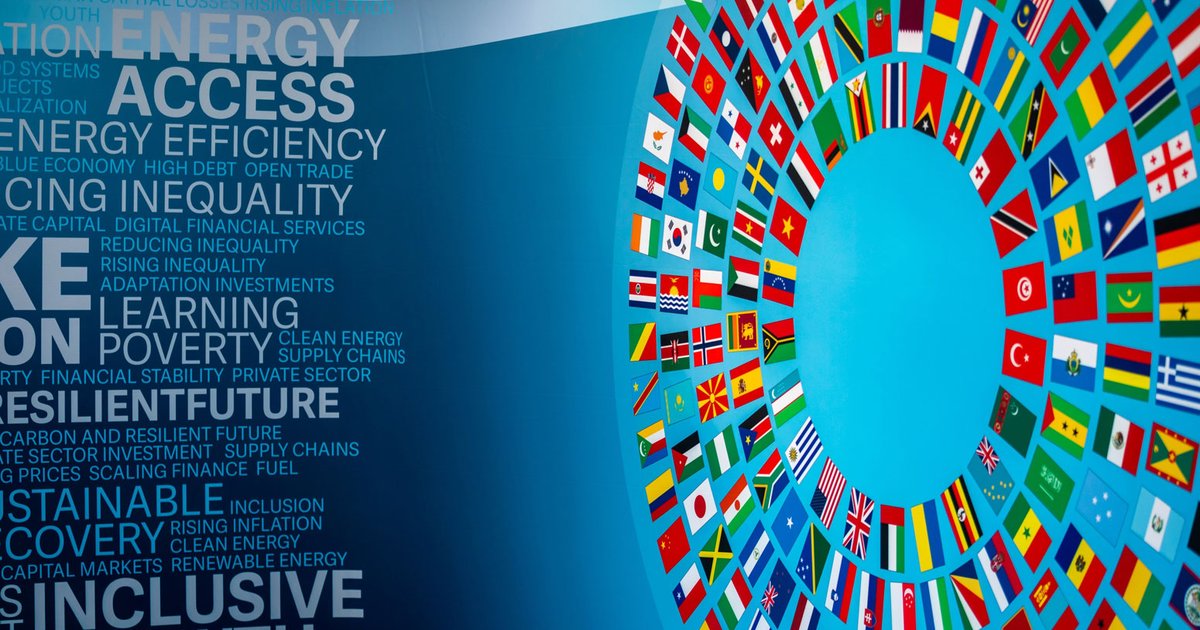
Environmental and tax governance are crucial tests for inclusive multilateralism, IDDRI underlines that geopolitical fragmentation raises transition risks, yet UNEA-7 demonstrates convergence around standards for green industrialisation. Simultaneously, negotiations for a UN tax framework seek to rebalance rights and help countries mobilise domestic resources. ODI Global indicates that as some donors reprioritise aid, these tax reforms are central to sustaining public investment in decarbonisation. ETTG’s post-FfD4 agenda and ODI Global’s analysis show the international financial architecture is not delivering the scale or speed of finance needed for resilience. IDOS and ECDPM highlight that reform is no longer only about more money, but about governance: who sits at the table in the IMF and G20, and how multilateral banks work as a unified system.

What does this mean for the EU?

ETTG and members’ analysis points to a demanding agenda:

The EU needs to accept that defending multilateralism today means transforming it. This includes supporting more representative decision‑making in the IMF, World Bank, G20 and UN system, and backing incremental but real changes in voting rights, voice and leadership for African, Latin American and Asian partners. EU instruments such as NDICI‑Global Europe and the next MFF can be great tools to provide more predictable, long‑term finance for green industrialisation, social protection and digital infrastructure in partner countries. 


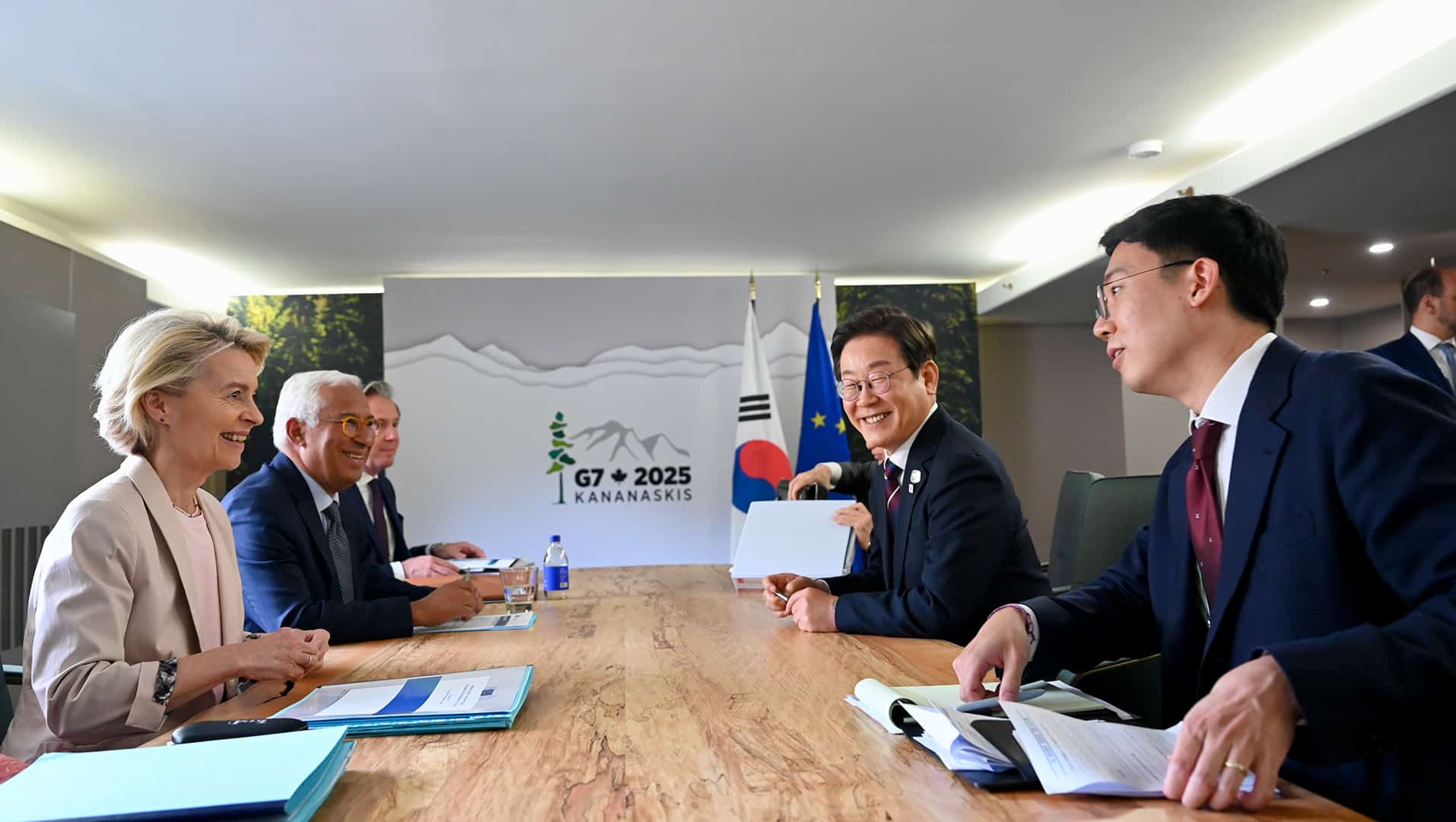
These strands suggest an EU that is clearer about its own interests and values but more prepared to operate in a genuinely plural multilateral system – accepting that outcomes will increasingly reflect negotiated compromises among diverse priorities, and that effective multilateralism will depend as much on coalition‑building and power‑sharing as on declaratory support for rules‑based order.

ECDPM’s analysis of AU–EU cooperation and “variable alliances” explores what a more political understanding of strategic autonomy would mean in practice: not retreating into a defensive Europe‑only posture, but investing diplomatic and financial capital in issue‑based coalitions with the Global South on debt relief, climate finance, digital governance and peace and security, even where these coalitions cut across traditional “like‑minded” formats.
 

IDOS and ODI research on FfD4, SDR channelling and the emerging UN framework convention on international tax cooperation highlights how the EU can help shape a more coherent and equitable financial and tax architecture, by backing reforms to multilateral development banks (capitalisation, local‑currency lending, more comprehensive and transparent debt workouts) and by engaging constructively in efforts to strengthen inclusive tax cooperation at UN level. Elcano and IAI contributions examine how shifts in US policy, renewed great‑power rivalry and tougher, more fragmented globalisation are redrawing the terrain on which EU multilateralism operates, stressing that Europe will only retain influence if it is willing to share agenda‑setting power with partners such as India, Korea, CELAC and key actors in the Mediterranean while adapting its own economic statecraft and security posture to a post‑hegemony order.


Work by IDDRI and others on international environmental and tax governance underlines the need for the EU’s Green Deal, carbon‑related instruments and fiscal measures to be compatible with emerging UN‑level norms and sensitive to the adjustment constraints of countries with limited fiscal and administrative capacity, including in Africa. 

Visual Roadmap
Beyond the Rules‑Based Order

Bank

1

The New Washington Dissensus

From universal norms to transactional deals

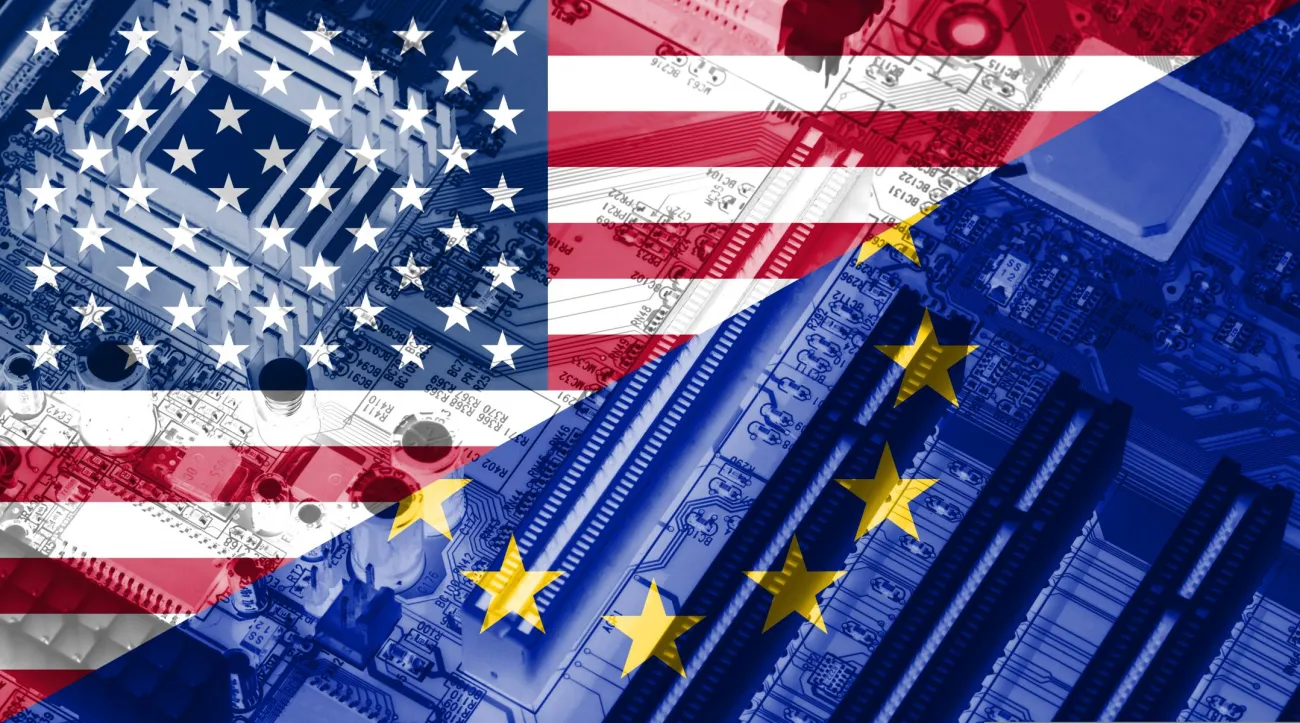
IDOS and IAI show how the return of a transactional ‘America First’ doctrine has weakened support for the 2030 Agenda and strengthened the use of sanctions, export controls and bilateral deals as tools of statecraft. This is reshaping the incentives for multilateral cooperation and development finance, with ripple effects across the UN and international financial institutions.

Union

2

The Global South and Variable Alliances

Multi‑alignment and regional stewardship

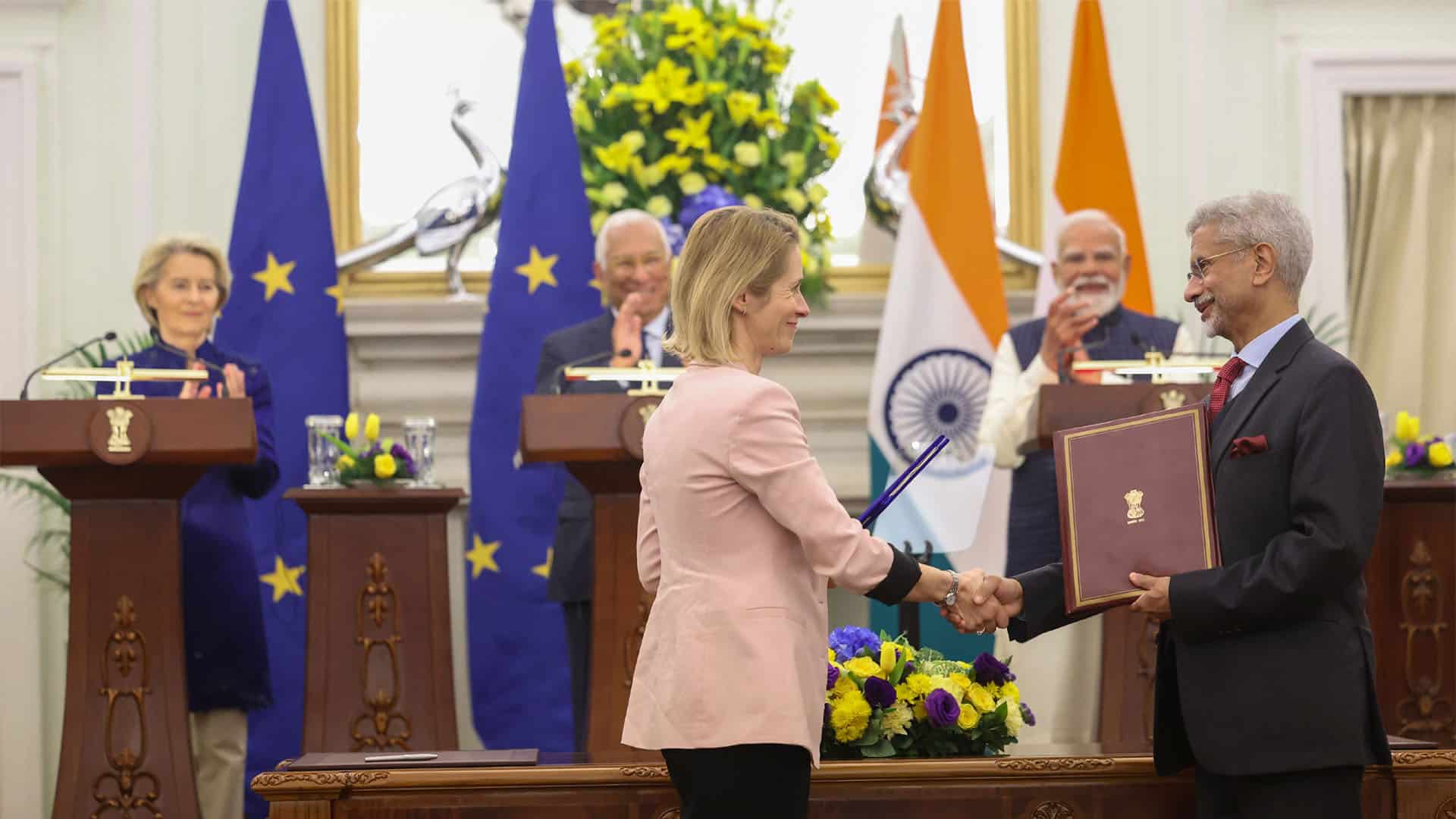
Elcano, ECDPM and ODI Global trace how countries such as Brazil, India, Indonesia and South Africa are using multi‑alignment to shape agendas in forums like the G20, while Africa-Europe, EU-India and EU-CELAC partnerships are tested by diverging norms and interests. These dynamics are redefining where and how the EU can build coalitions on peace, climate, digital and development issues.

3

Europe’s Testing Ground

MFF, financial architechture and the UN at 80

ECDPM, IDOS, ODI Global, IDDRI and ETTG show that decisions on the 2028-2034 MFF, NDICI-Global Europe and post‑FfD4 reforms will determine whether the EU helps redesign the international financial architecture and UN system, or adapts to rules shaped elsewhere. The way Europe links budget choices, multilateral bank reform and UN negotiations will be a key measure of its global role.

ETTG Publications on Global Governance

Delve into analyses on the evolving structures of international cooperation and the systemic pressures on multilateralism. (2023 – )

Scroll to Top