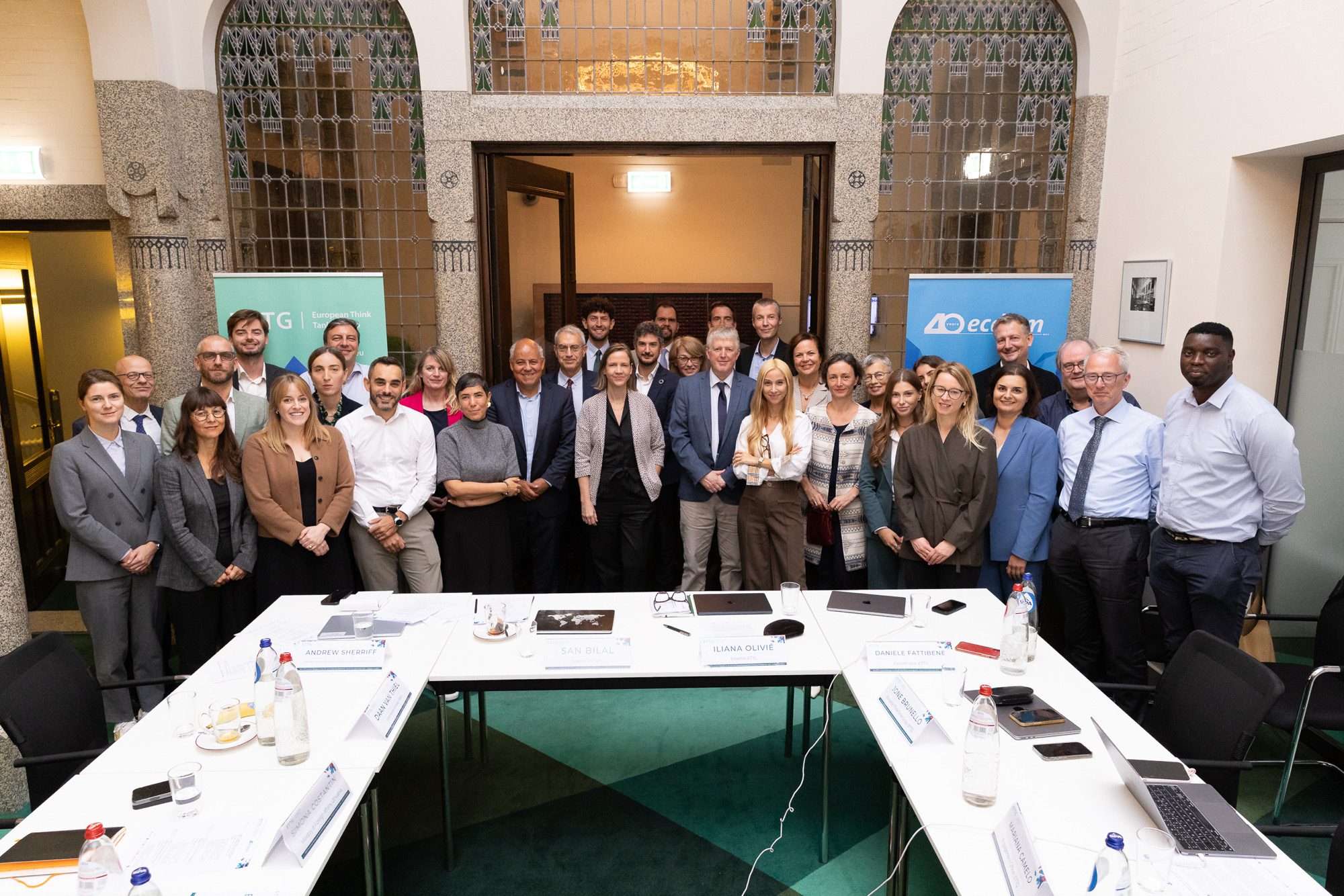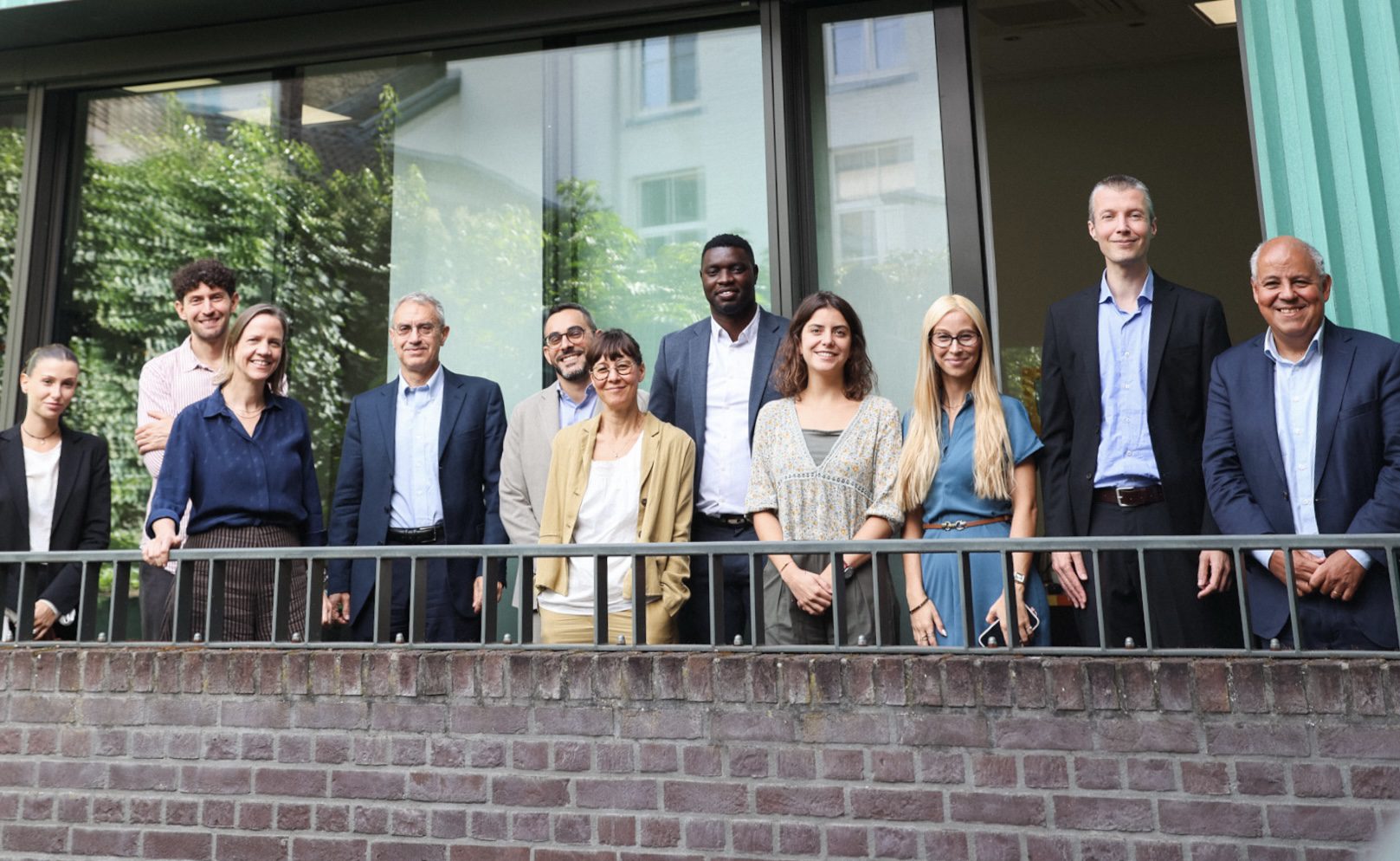


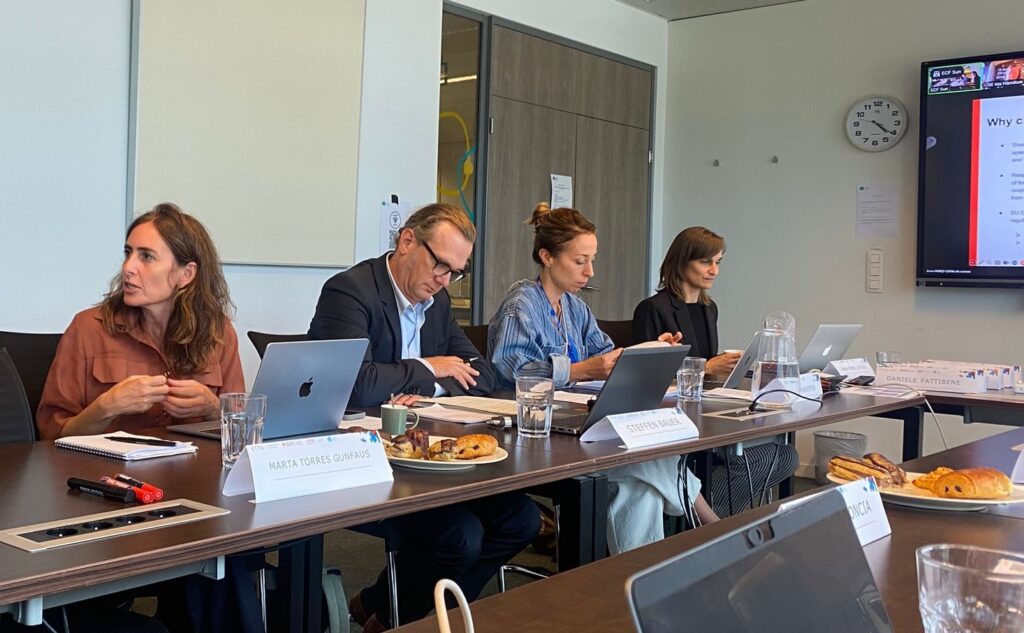
Alongside IDOS and IDDRI, we convened a closed-door roundtable under the Chatham House Rule hosted at the European Climate Foundation offices in Brussels.
Bringing together senior representatives from DG CLIMA, including Diana Acconcia, Director for International Affairs and Climate Finance, alongside experts from the Working Party on International Environment Issues (WPIEI) and leading policy research institutes, the discussion focused on the strategic recalibration of EU climate diplomacy in an increasingly transactional geopolitical landscape.
Following the completion of the Paris Agreement rulebook, international climate governance faces a structural pivot from ambition-setting to sector-level implementation. While multilateral frameworks like the Global Stocktake (GST) offer essential direction, such as targets to triple renewable capacity and transition away from fossil fuels, the UNFCCC mechanism cannot drive on-the-ground decarbonisation on its own.
Concurrently, shifting power dynamics and geoeconomic competition have pushed multilateralism toward a multi-tier structure. As highlighted by recent UNFCCC discussions, this reality pairs a consensus-based, universal tier for legitimacy with a flexible, coalition-led tier focused on rapid deployment and resource mobilization.
Drawing on recent research from ETTG members, including IDDRI’s analysis on the Paris Agreement’s (https://bit.ly/4xiAJUA), IDOS’s overview of post-COP30 dynamics (and what they call a “Weak COPirinha”), (https://bit.ly/4gCkVXE), and ECDPM’s (https://bit.ly/462iZl4) call for realignment on Africa-Europe climate and energy cooperatio, the roundtable examined three core dimensions:
- Prioritising UNFCCC Functions: Determining which multilateral tools and GST2 mechanisms the EU should prioritize to incentivize national progress without diluting legal clarity.
- Targeted Alliances and Sectoral Focus: Identifying high-leverage sectors, trade-linked instruments, and critical international alliances needed to translate global roadmaps (e.g., deforestation and fossil fuel phase-outs) into investable sectoral shifts.
- Internal and External Mechanics: Improving intra-EU coordination between European Commission Directorates-General and Member States to better align climate, trade, and industrial policy instruments.
As climate diplomacy shifts from broad political declarations to investment-centric, pragmatic cooperation, the session provided space to outline tactical choices for the EU’s near-term international agenda.