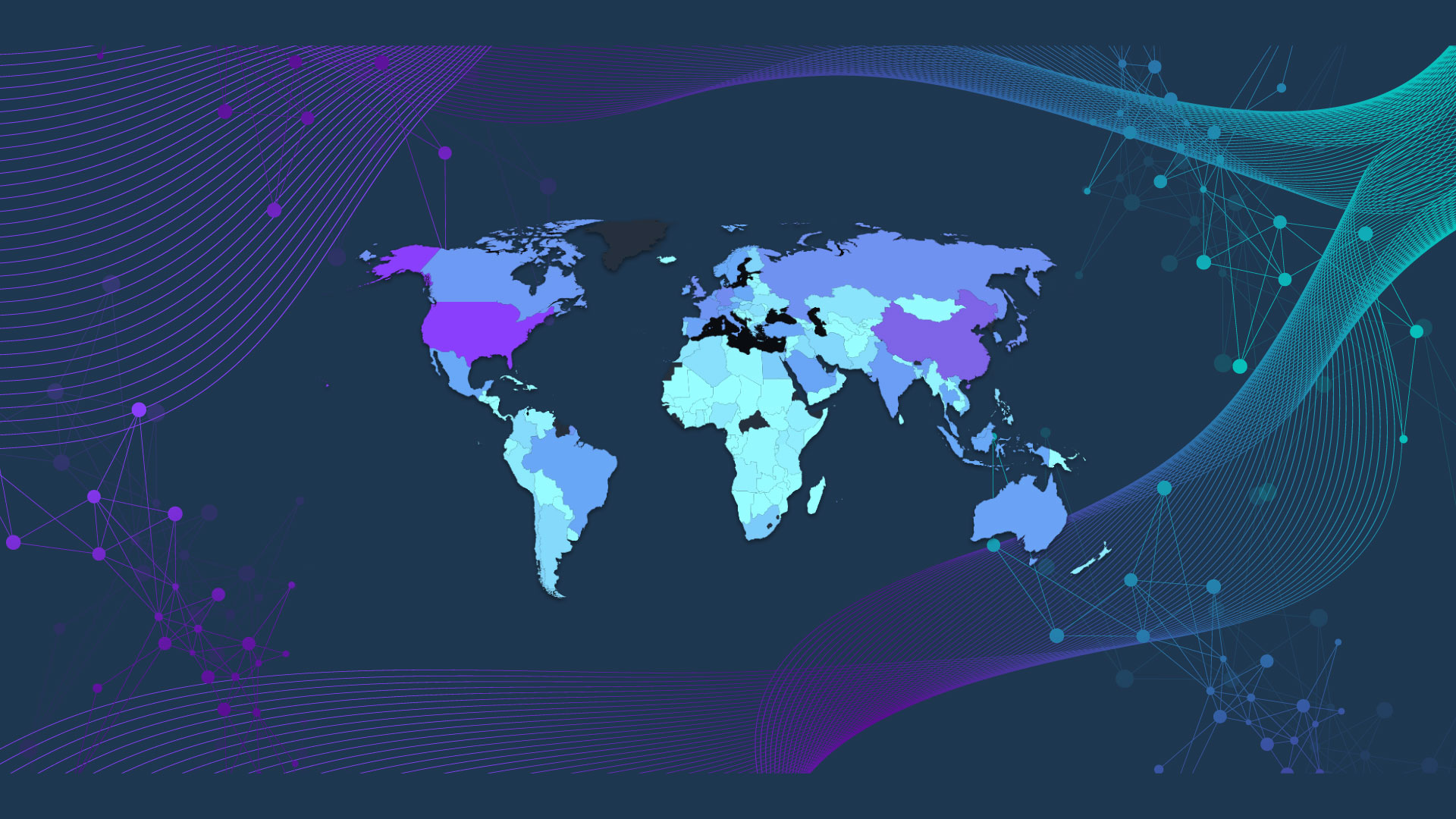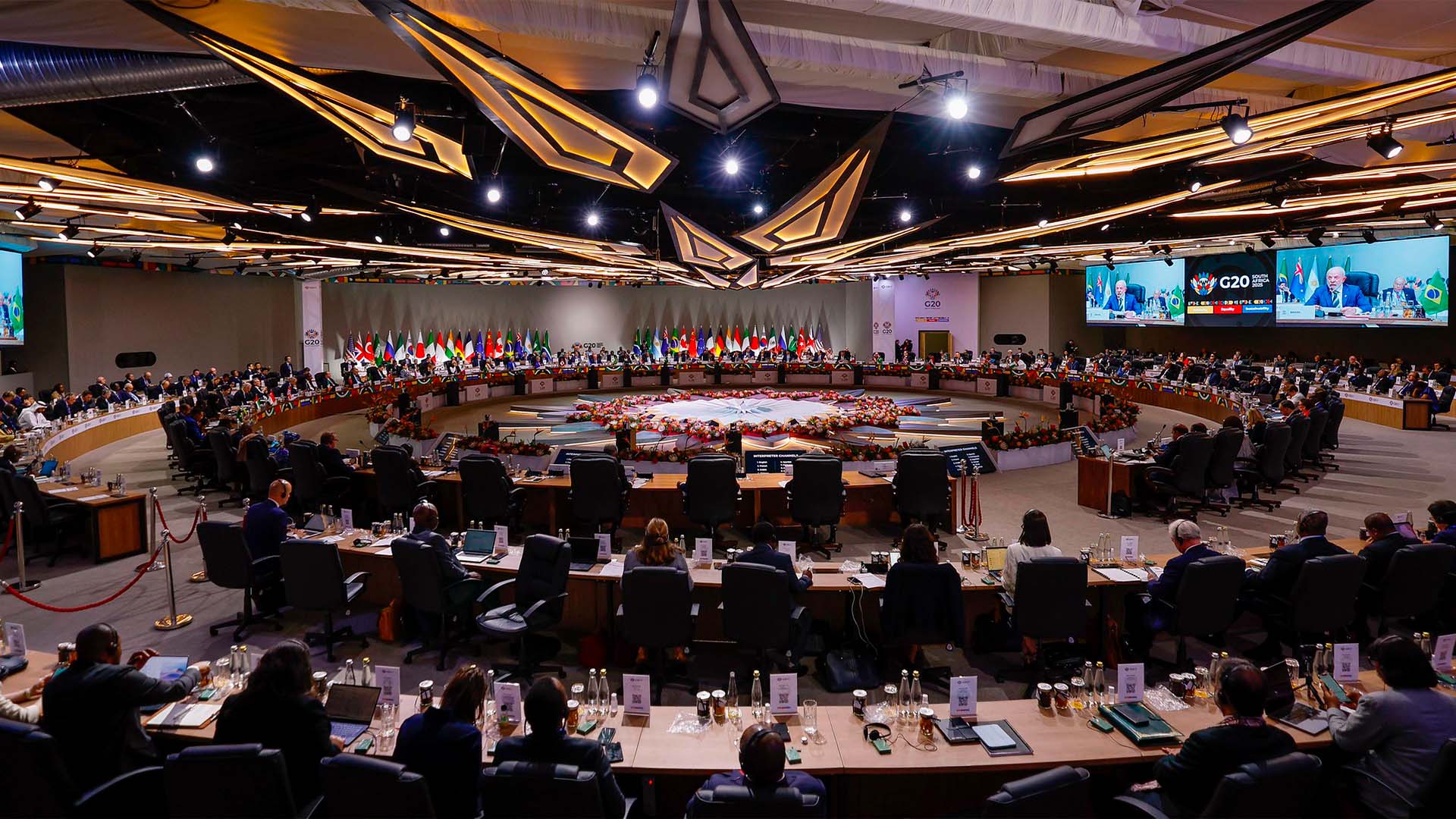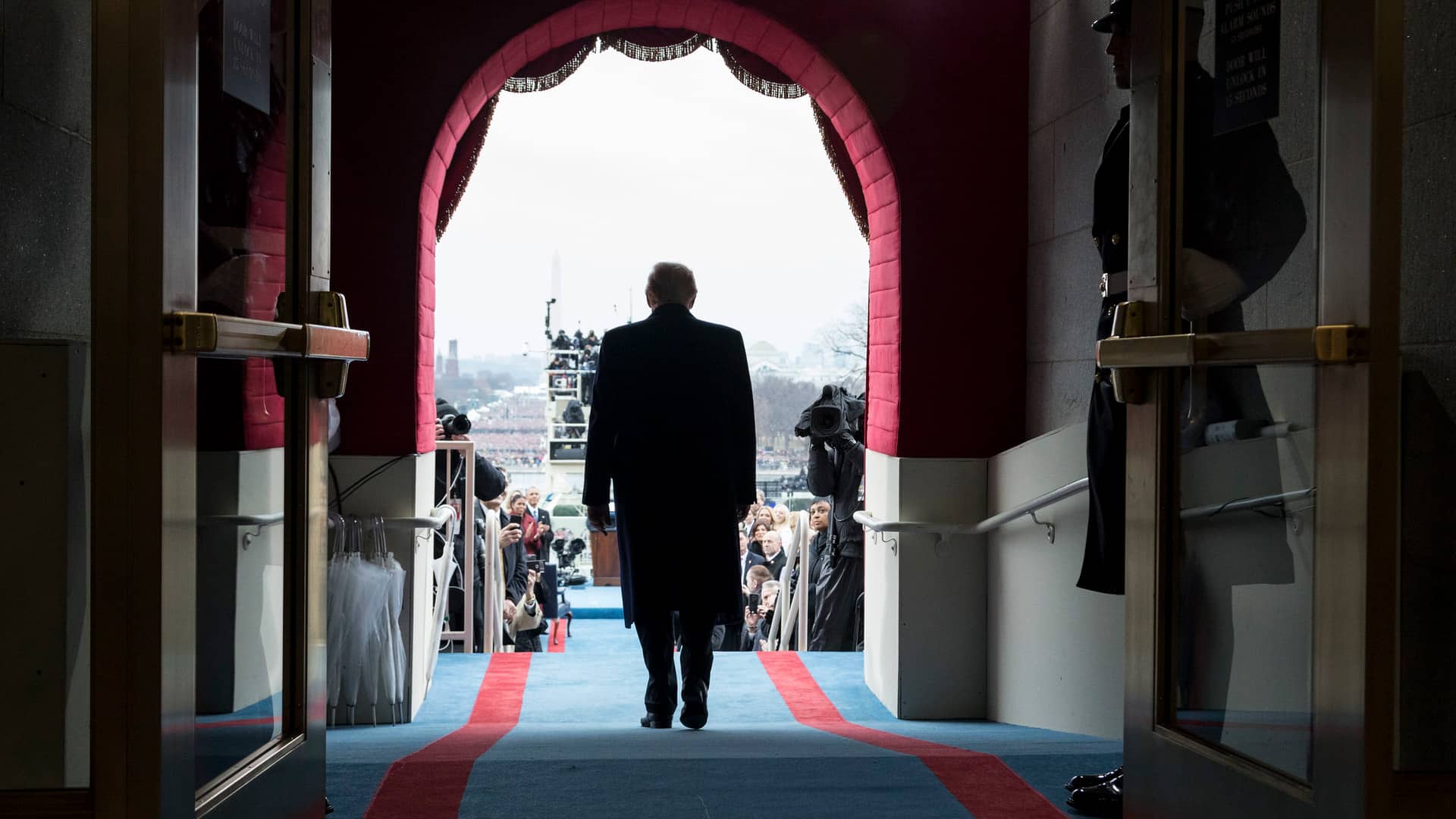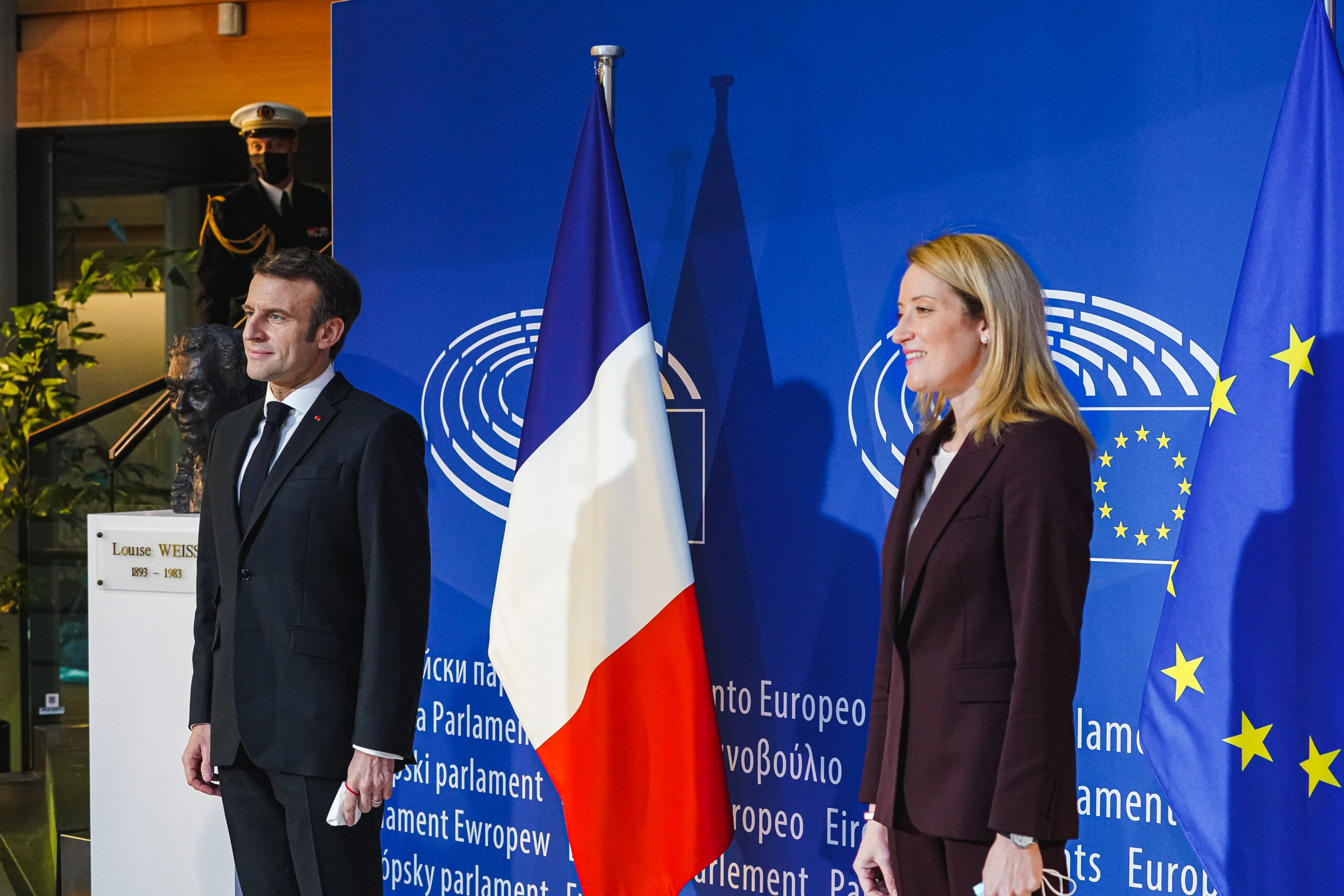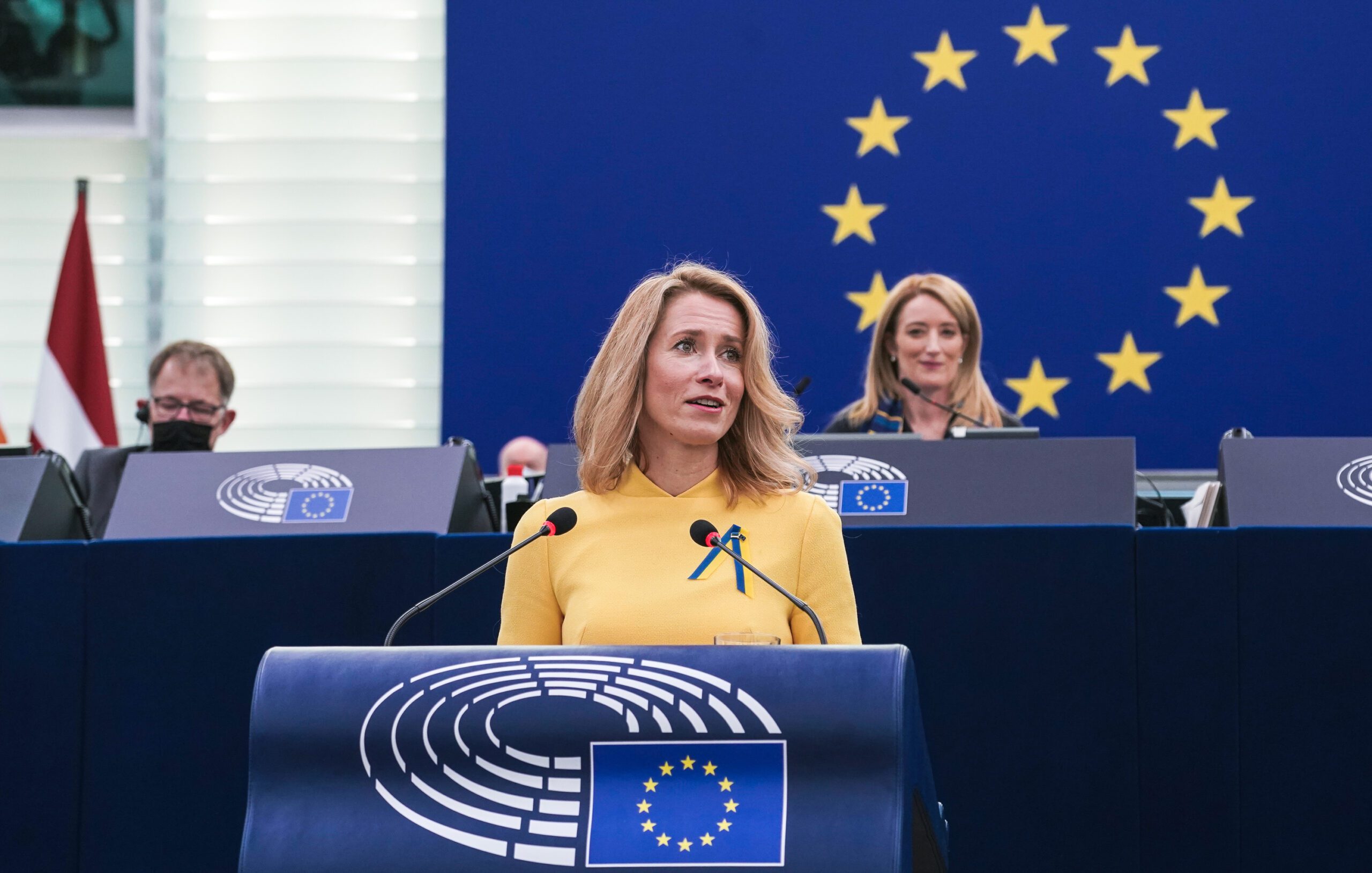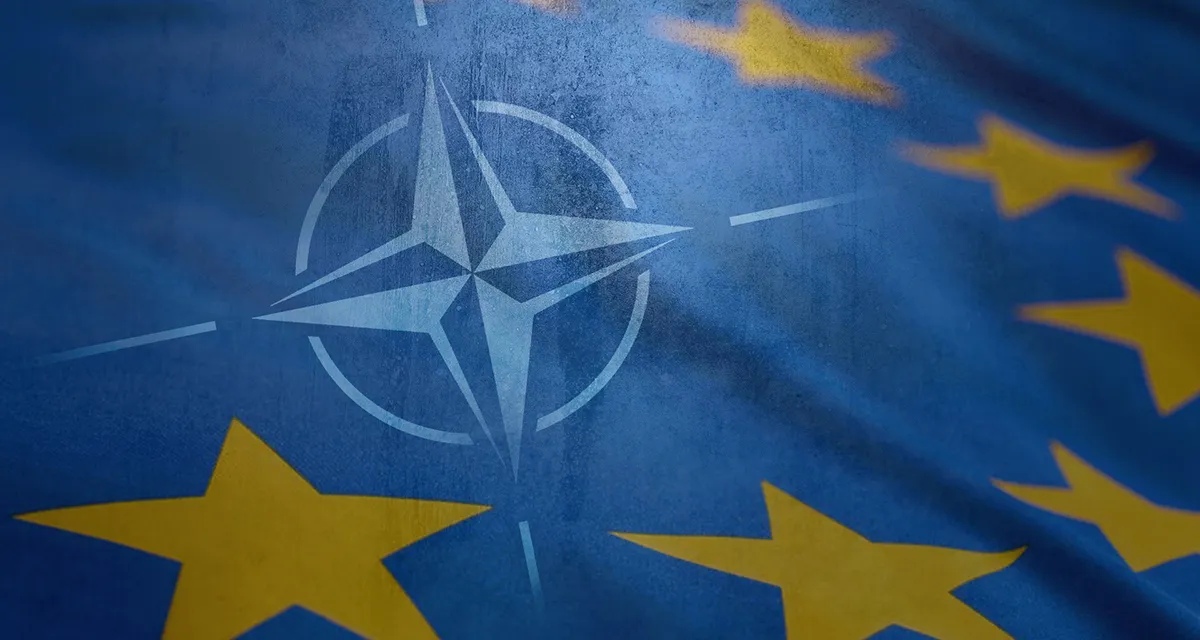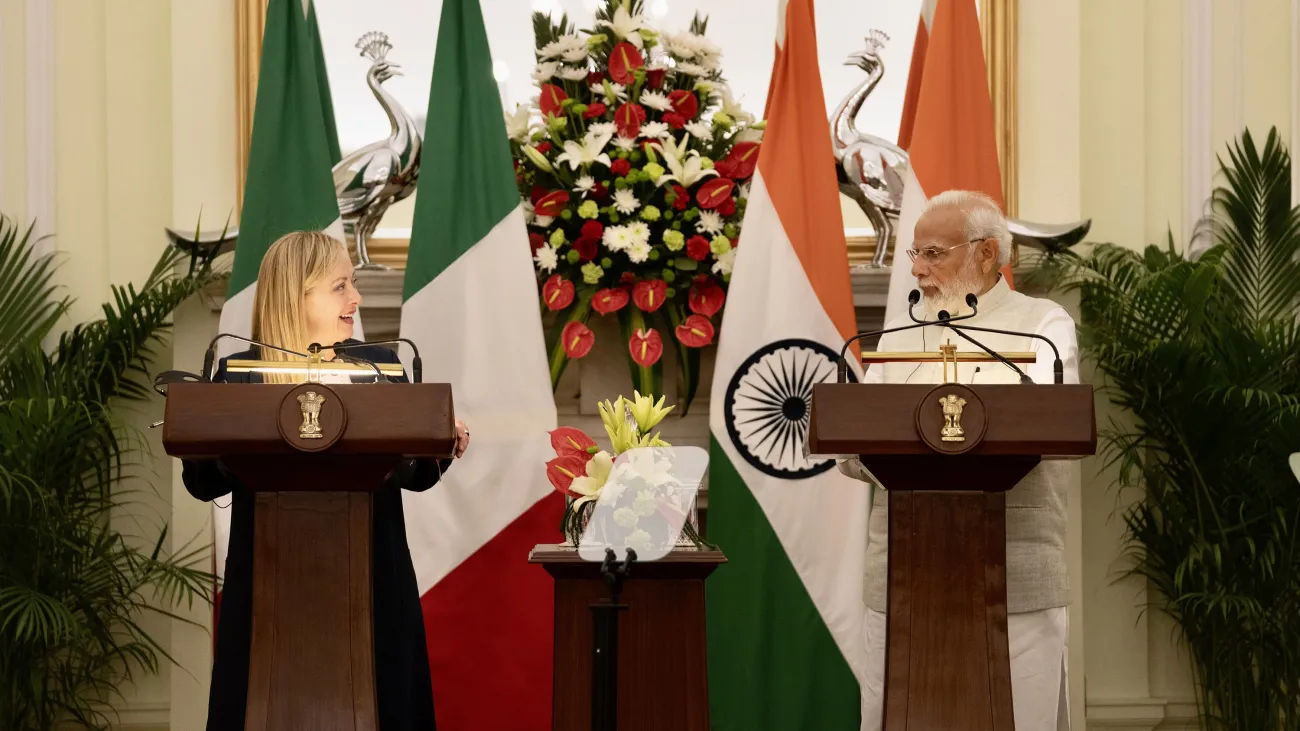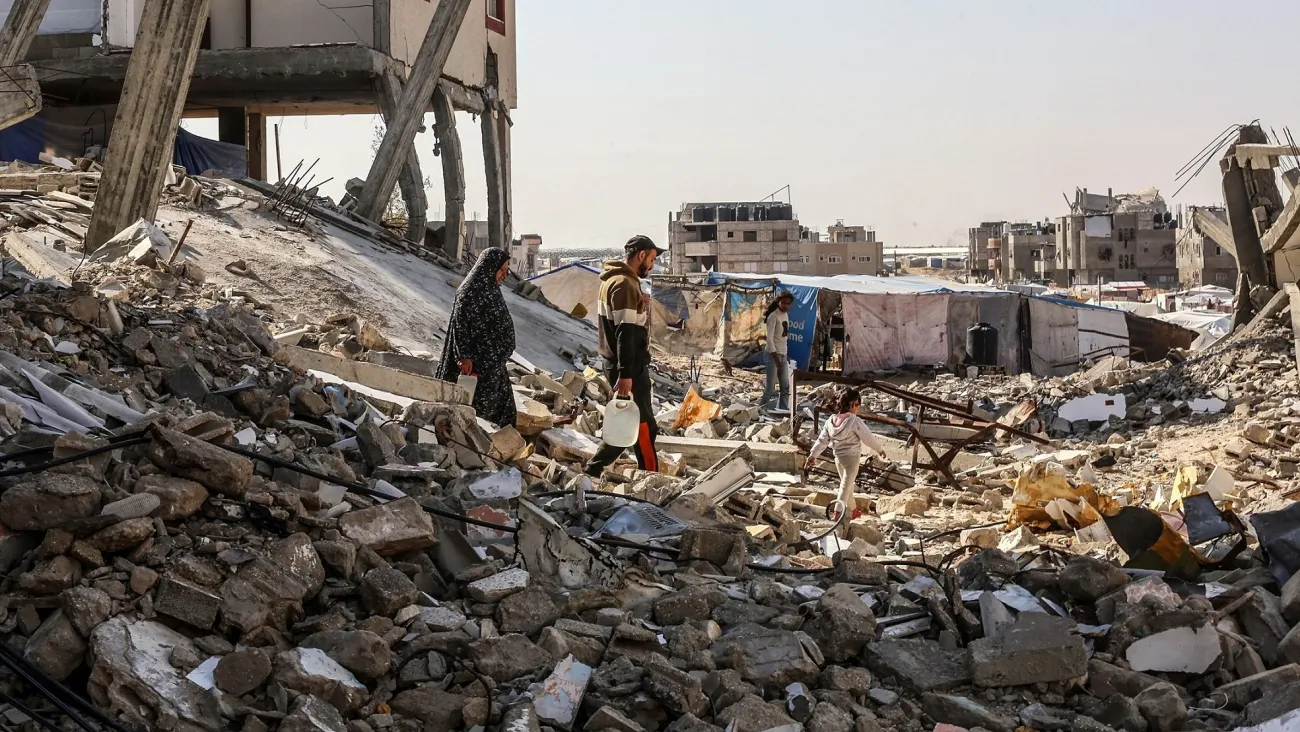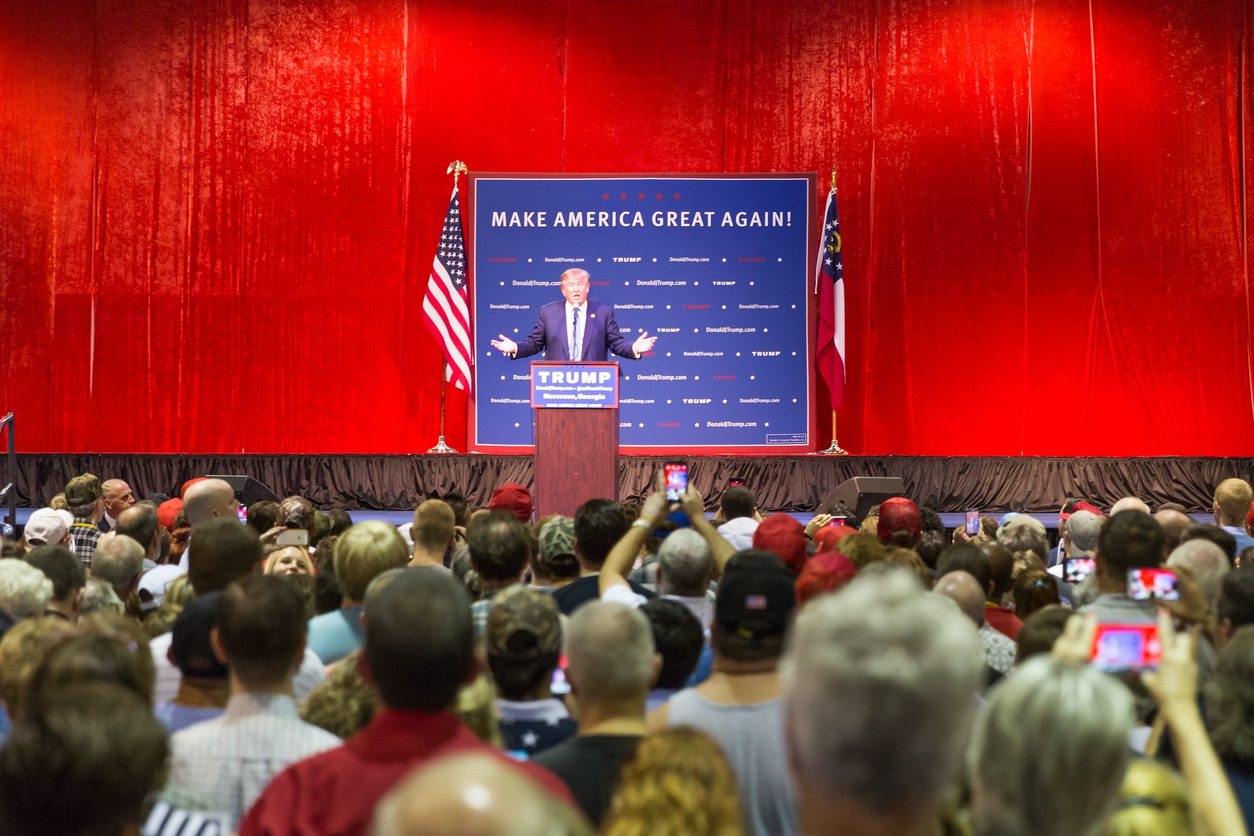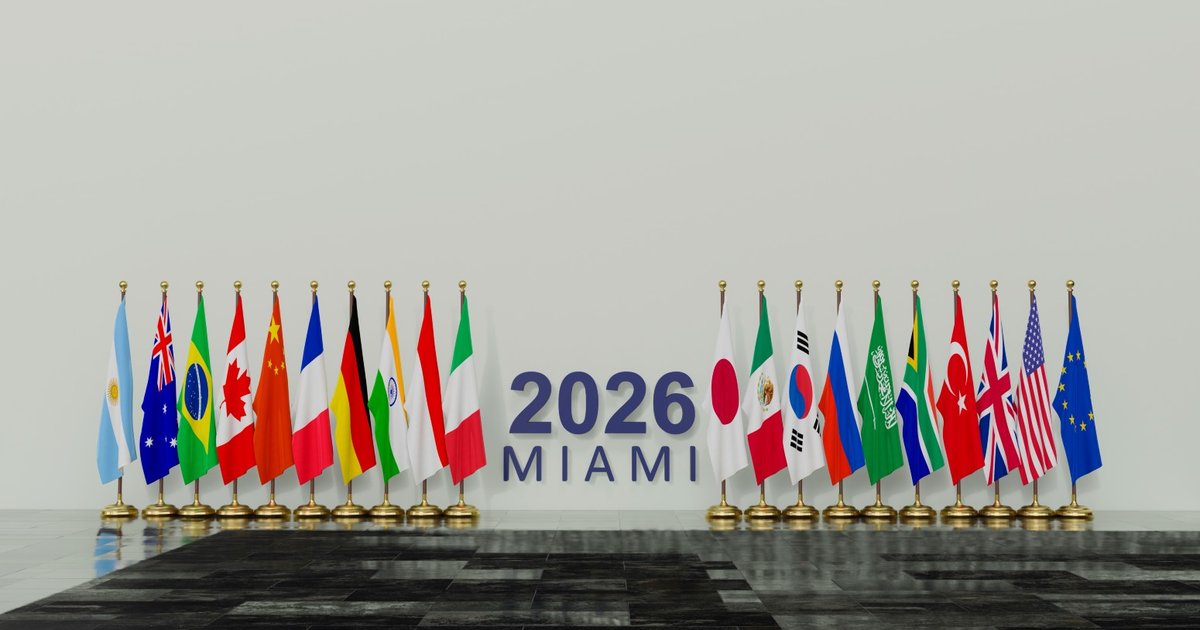

The architecture of global cooperation is shifting from a nominally universal, rules‑based order to a more fragmented, competitive landscape shaped by “variable alliances”, multi‑alignment and regional leadership from the Global South. The return of a transactional “America First” doctrine in early 2025, combined with systemic rivalry and the weaponisation of trade and finance, is forcing governments and institutions to re‑think where multilateralism still delivers and where alternative formats are emerging.
For the EU, this is not simply a question of defending a status quo that no longer exists, it requires a realistic reading of power shifts, a willingness to share decision‑making with emerging actors, and a more strategic use of its economic, regulatory and financial assets.