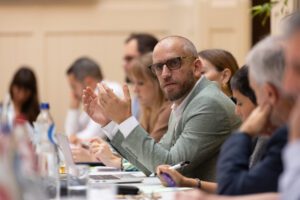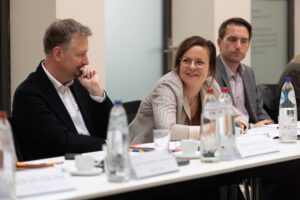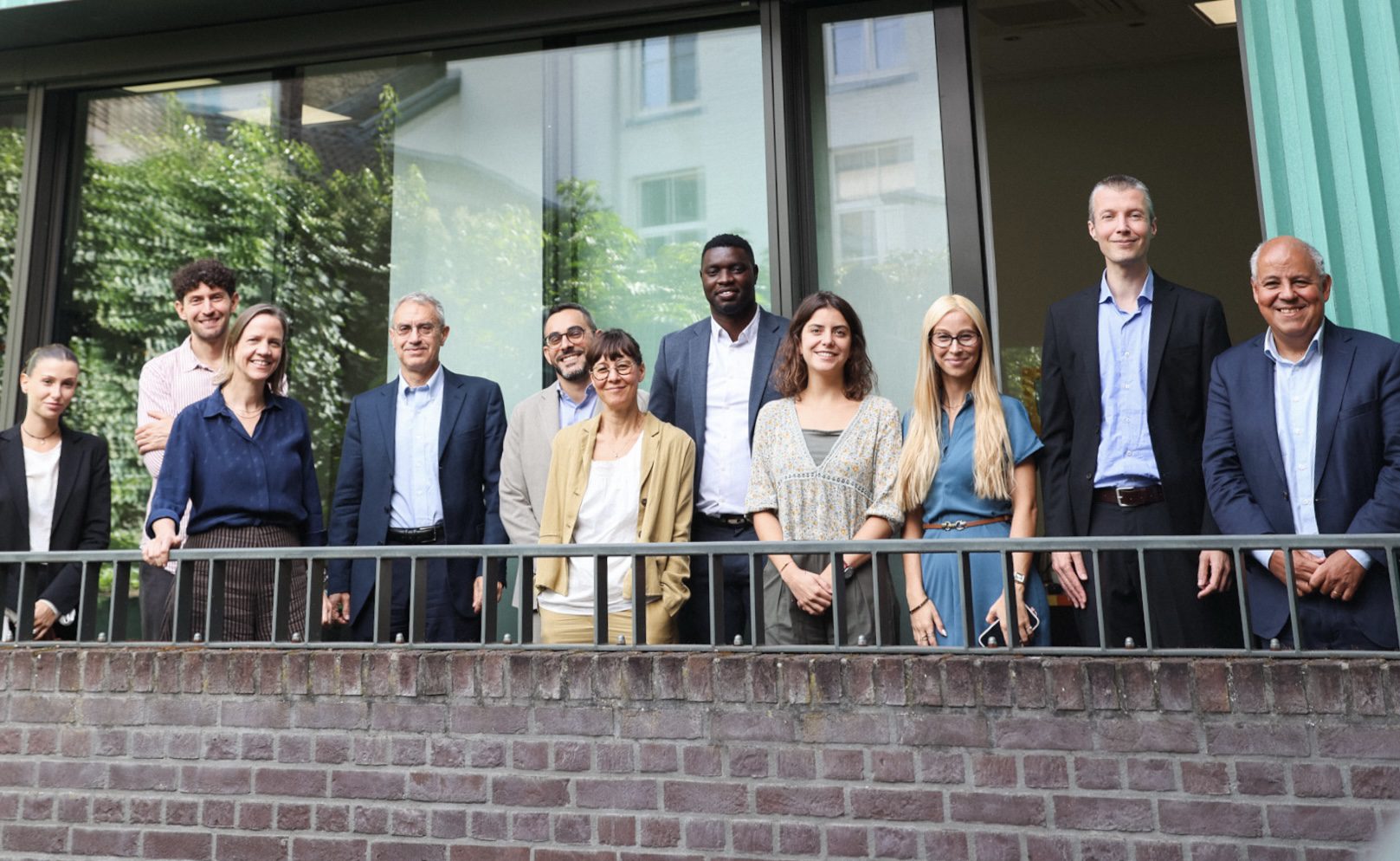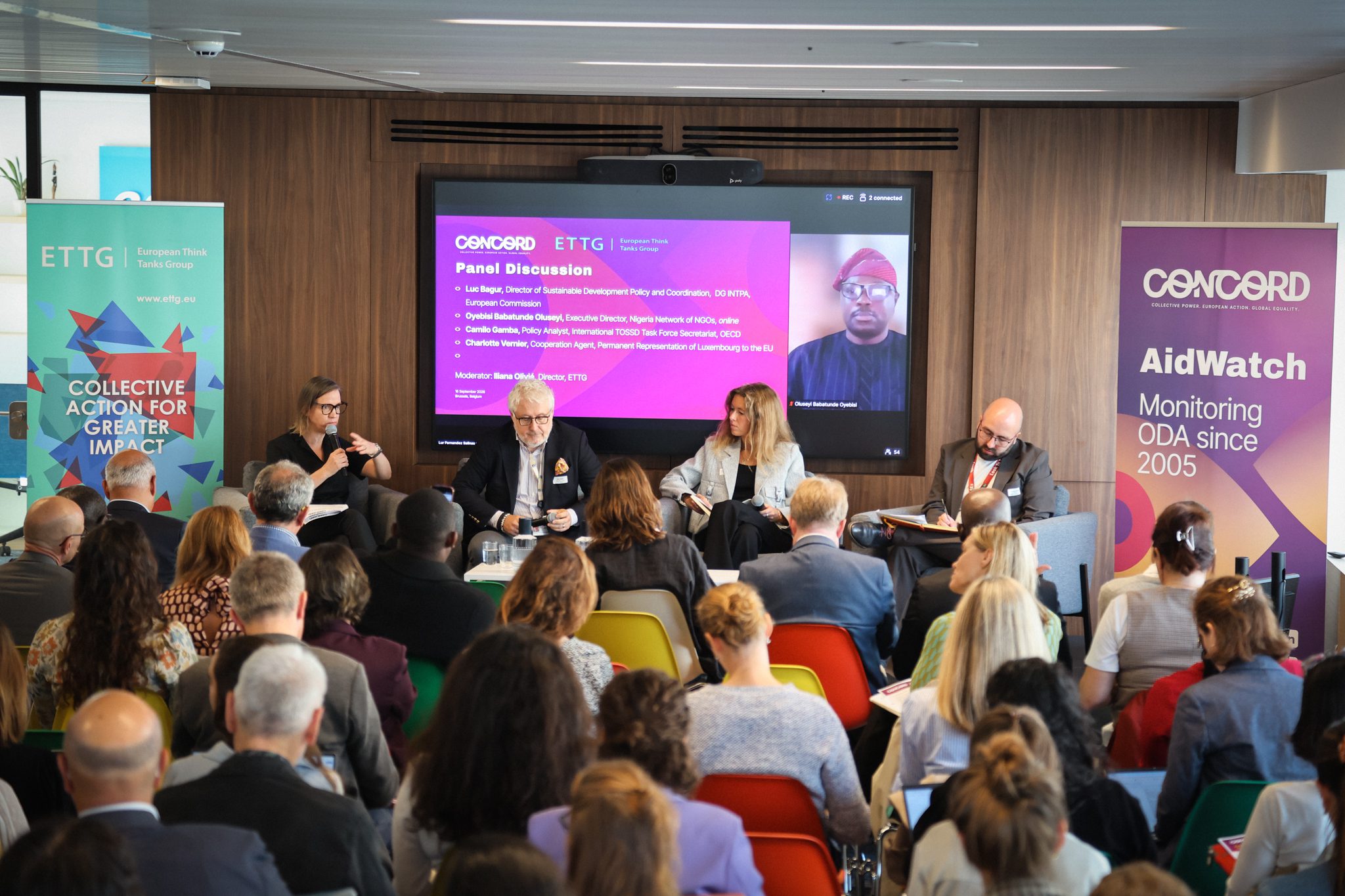


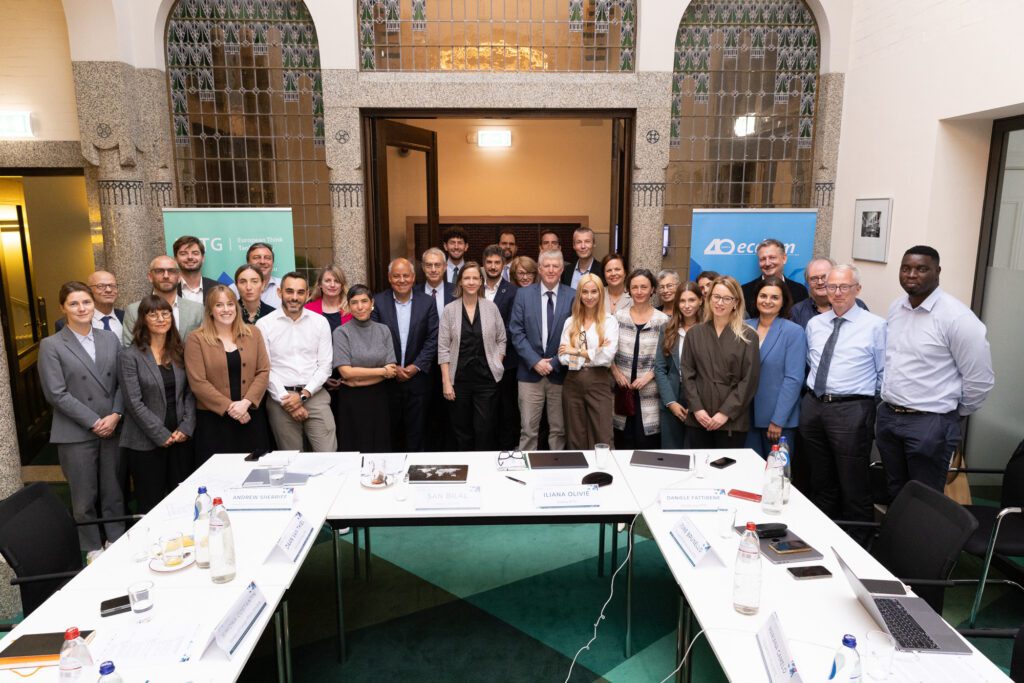
We convened the 5th ETTG Annual Dialogue on the EU and Global Development in Maastricht, hosted by ETTG member ECDPM, bringing together senior EU and member state decision-makers, leading policy analysts, and multilateral experts to address a deepening crisis in international cooperation. Set against a backdrop of global fragmentation, shifting transatlantic dynamics, and mounting pressures on traditional development finance, the dialogue examined how the European Union can reset its external action and build meaningful, long-term partnerships across the Global South.
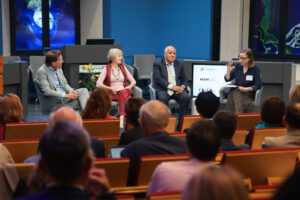
The 2-day event opened at Maastricht University with a public panel exploring how European international cooperation must adapt to a rapidly changing world. Panellists Marjeta Jager (European Commission, DG INTPA), San Bilal (ECDPM), Steven Collet (Ministry of Foreign Affairs, Netherlands), and Professor Sophie Vanhoonacker (Maastricht University), moderated by ETTG Director Iliana Olivié, examined the strategic dilemmas facing EU development policy, from shrinking ODA allocations to the imperative of recalibrating relations with global partners ahead of the 2028-2034 Multilateral Financial Framework.
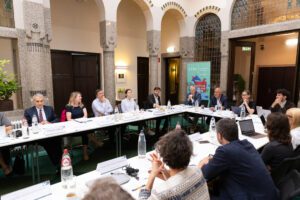
The second day continued under the Chatham House rule, structured around three core themes shaping the future of European external action:
- The opening session evaluated how the EU can reset alliances with the Global South to defend rules-based governance within key forums such as the G7 and G20. Input from IDDRI and ODI Global informed responses from representatives of the UK Foreign, Commonwealth and Development Office, the French Ministry for Europe and Foreign Affairs, and the European Commission, moderated by Ettore Greco (IAI). Participants deliberated on moving past perceptions of economic leverage toward genuine, mutually beneficial policy alignment.
- The second session addressed the fundamental trajectory of development cooperation amidst fiscal contraction and shifting national interests. Research presented by ETTG analysts laid the foundation for commentary from senior policymakers representing the foreign ministries of Sweden, Spain, and Germany, moderated by Anna Katarina Hornidge (IDOS). Discussions focused on safeguarding international solidarity, avoiding transactional approaches, and preparing European development instruments for a post-2030 landscape.
- The final session examined European strategies for addressing fragility and instability in partner countries. Drawing on joint research from ECDPM and IDOS, officials from Poland, Belgium, and Ireland, alongside moderator Dora Meredith (ODI Europe), debated how European conflict prevention, humanitarian action, and long-term development instruments can remain effective in increasingly complex political environments.
The insights generated throughout the dialogue will be compiled into an ETTG policy brief scheduled for publication in late 2026, offering concrete recommendations for European decision-makers navigating the future of global development policy.
Explore previous editions here: https://ettg.eu/projects/