
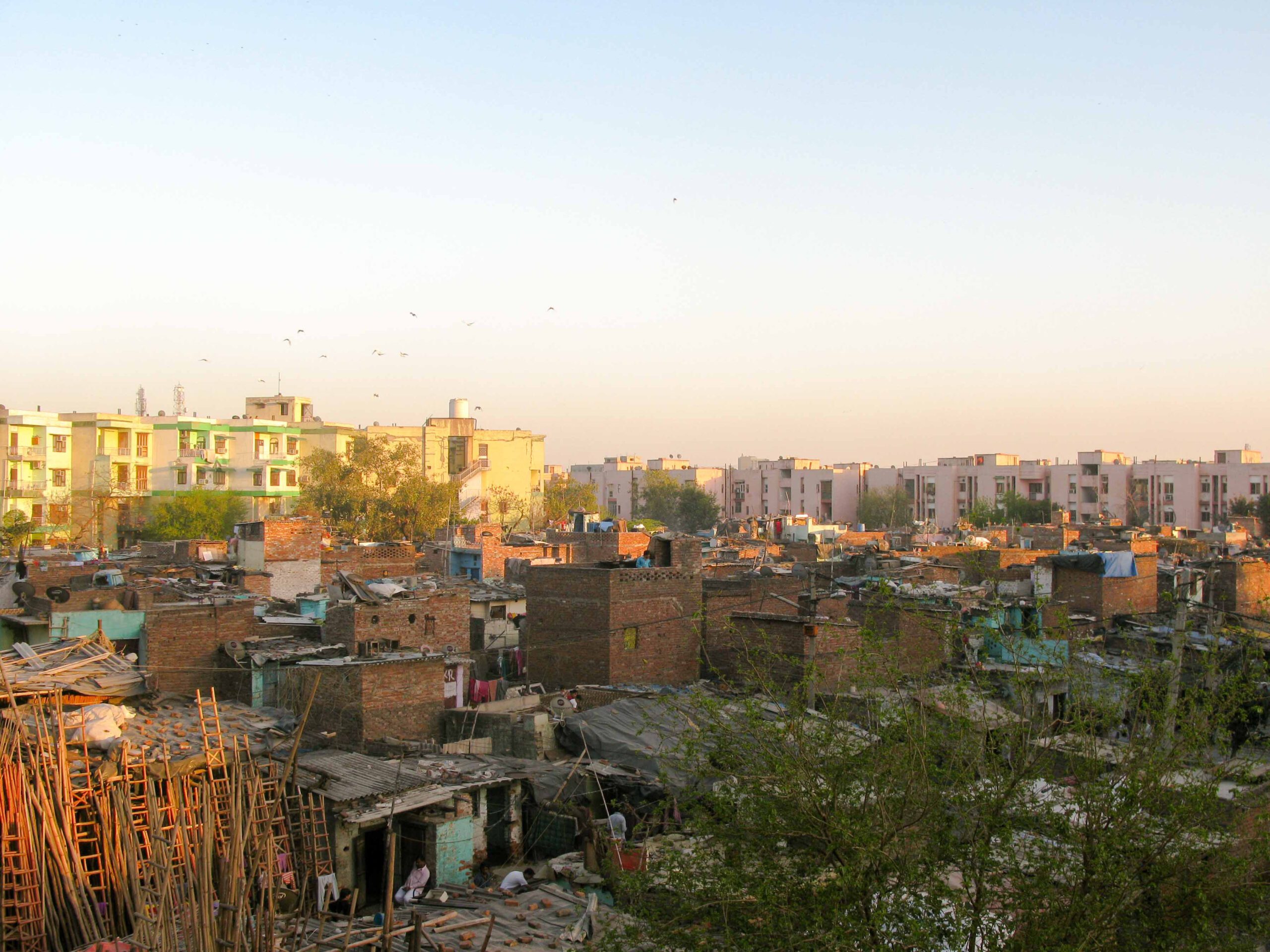
Urbanisation in developing countries, particularly in Africa and Asia, is one of the defining trends of the 21st century, and has profound economic, social and environmental effects. While these effects may be either positive or negative, depending on how urban services are managed, no country has ever experienced significant development progress without undergoing a major population shift towards cities.
Key messages
- The fast urbanisation of Africa has profound economic, social and environmental implications for EU development policy.
- Informality, urban-rural continuum, basic service delivery and urban governance are identified as four transversal priorities for sustainable development policies.
- On paper EU modalities offer scope for engaging strategically with city authorities, yet these have not been fully exploited in practice.
- Recommendations for EU development policy include strengthening support for increasing mandates and budgets for cities through EU Trust Funds.