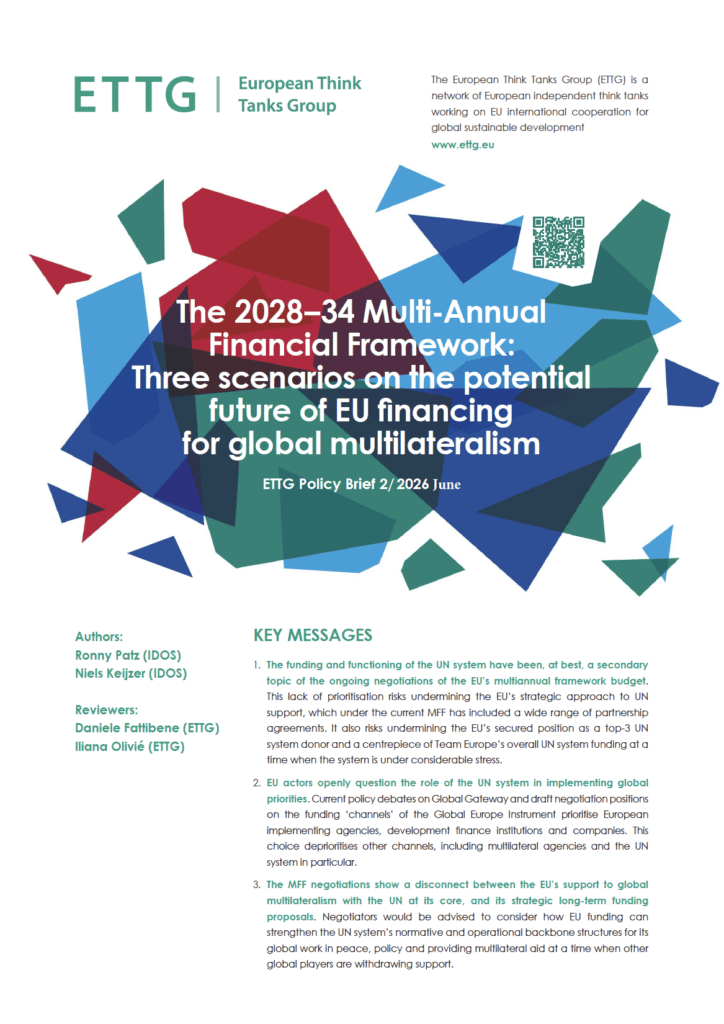

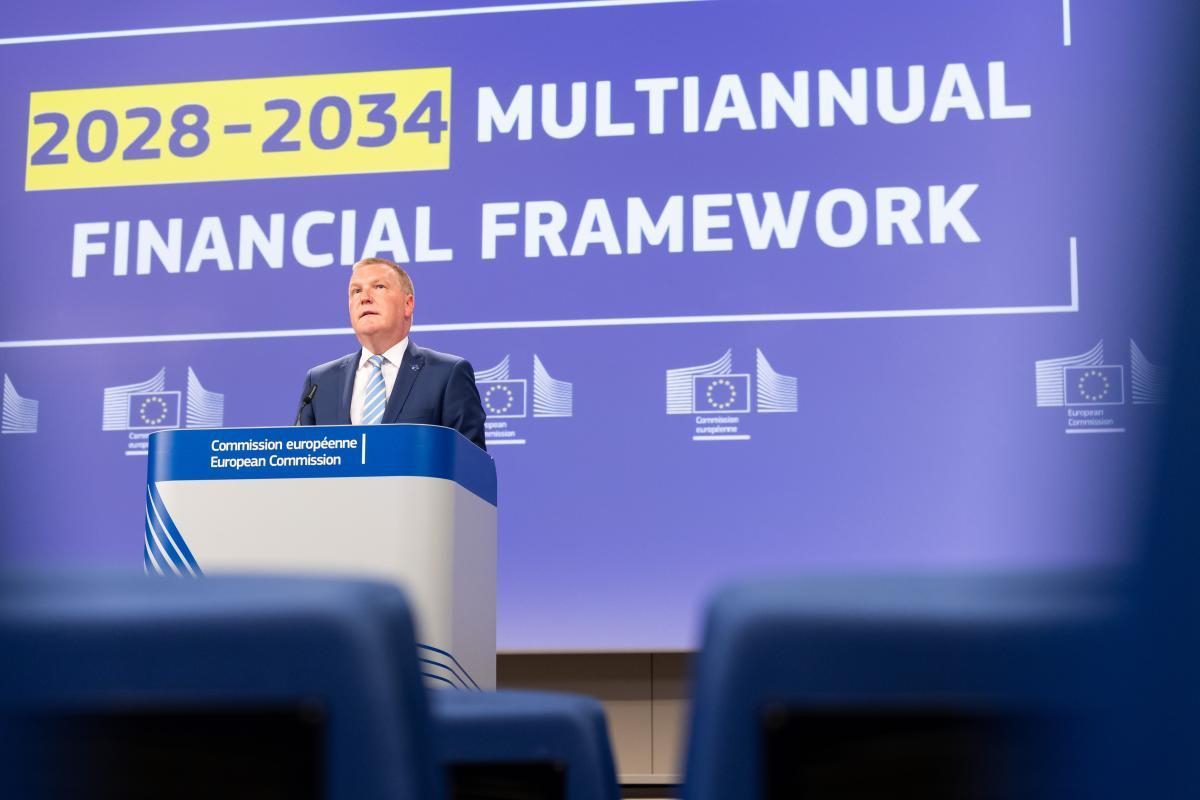
“The 2028-2034 Multi-Annual Financial Framework: Three scenarios on the potential future of EU financing for global multilateralism“
The ETTG policy brief by Ronny Patz and Niels Keijzer, German Institute of Development and Sustainability (IDOS) asks a simple but consequential question: when the EU negotiates its next long-term budget for 2028 to 2034, will it match its rhetoric on multilateralism with real political and financial backing for the UN system, or quietly narrow that support in practice? That matters because the EU is not a marginal player but one of the UN system’s biggest public funders, with EU funding to the UN reaching about €3.9 billion in 2024 and more than €33 billion committed between 2013 and 2024 to UN agencies, funds and programmes.
Reviewed by ETTG’s Daniele Fattibene and Iliana Olivié, the brief situates today’s budget debate in a broader geopolitical context in which the EU continues to describe the UN as central to the rules-based order, even as pressure grows to channel more external spending through European actors and instruments. Recent EU positions have reaffirmed support for effective multilateralism with the United Nations at its core, while official EU material also underlines that the Union and its member states remain the largest collective financial contributors to the UN system.
The argument of the brief is not that the next MFF will explicitly legislate for UN funding. It is that the MFF and the future Global Europe Instrument will define the political priorities, legal boundaries and implementation logic that shape whether the EU sustains a strategic partnership with the UN or slides into a more transactional approach, with tighter earmarking and less room for multilateral partners. The authors map three scenarios, from a Europe-first model that sidelines the UN, to a status quo shaped more sharply by EU self-interest, to a genuinely strategic model that treats support for the UN’s backbone functions as part of defending multilateralism itself.
The brief offers a timely framework for understanding what is at stake before the political choices harden. Explore the full brief for the evidence, the scenarios and the recommendations aimed at EU negotiators, UN resource mobilisers and EU27 governments weighing how serious Europe is about financing the multilateral order it says it wants to defend.
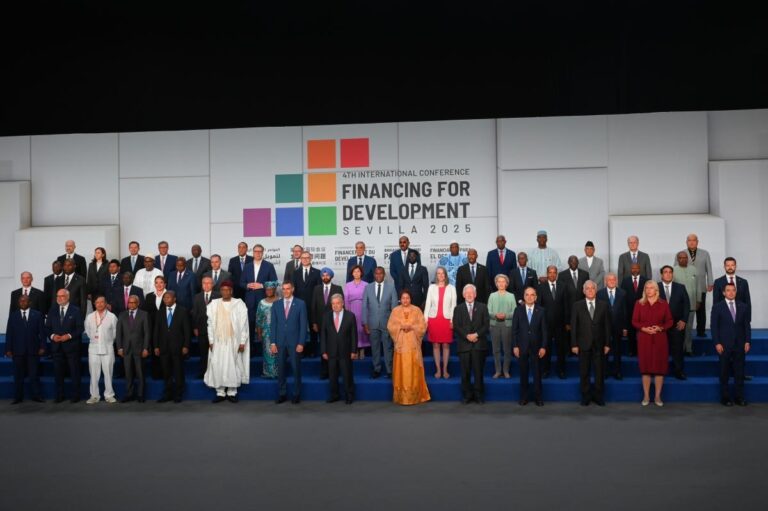
Picture authored by: EC – Audiovisual Service @2025