Publications 

ETTG offers analysis and evidence-based discussions on all aspects of development cooperation. Outputs range from blogs, policy briefs and collective reports to informal takeaways from network events.

European independent think tanks

The six institutes that compose ETTG cover all aspects of international development and cooperation policy.. They share a strong commitment to higher global welfare, and a strong belief in the importance of better collective action to achieve global goals. As think-tanks, and as policy-focused research institutes, they also share a commitment to effective outreach and engagement with policy-makers and policy processes.

Generic selectors
Exact matches only
Search in title
Search in content
Post Type Selectors
Category

Latest

Disadvantaged groups in the pandemic. How to respond inclusively to COVID-19 in the interests of the common good

The COVID-19 pandemic is affecting all of us, but to differing extents. Overstretched health care systems, curfews, unemployment and school closures are posing challenges and pushing people beyond their ability to cope. The consequences of the pandemic will be felt in both, the short and long term. However, the longer term health, economic and social impact can only be estimated at present.

Read more >

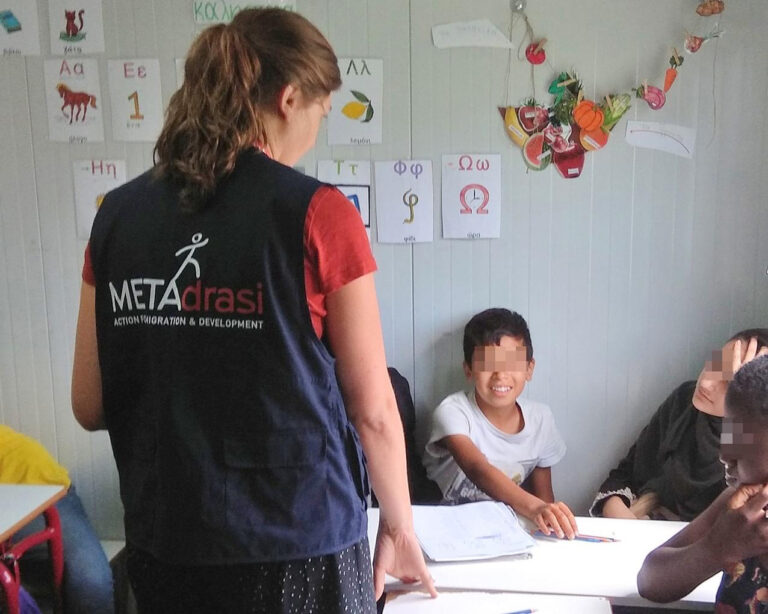
Reforming asylum in Europe: Lessons from local actors in Greece

The COVID-19 pandemic has created an additional layer of difficulty for refugees and asylum seekers, with frontline states like Greece facing unprecedented pressure in dealing simultaneously with a  humanitarian crisis and the health crisis. The situation calls for EU states to speed up the reform of the Common European Asylum System (CEAS) since the current impasse is exacerbating the life conditions of thousands of refugees and asylum seekers.

Read more >

ETTG Director’s piece: Towards a new Africa-Europe partnership after the Corona crisis

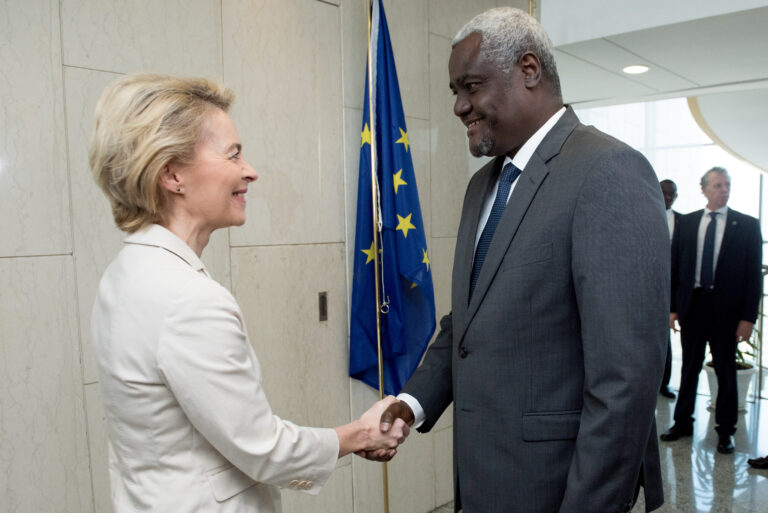
European Think Tanks Group (ETTG) calls on the EU to look beyond its own economic recovery and to work with Africa as our ‘twin continent’ and ‘closest ally’ to avert the worst effects of the crisis and to craft a new partnership for the longer-term. History has taught us that major crises create opportunities for accelerating social, economic and political reforms. The coronavirus crisis provides an opportunity to finally transform the old paradigm of donor-recipient aid relations towards a model of genuine international cooperation between Europe and Africa.

Read more >

The urgency of the crisis and a time to reflect together

The crisis linked to the CoVid-19 epidemic now plunges all societies in the world into a state of exception and a strange war made of both a sanitary emergency and a suspended time, for an indefinite period. Each individual and each organisation is now making arrangements until further notice, with the shared feeling of a long period of uncertainty and deep questioning about the very foundations of our societies, our economies, and our ways of living together: our view of the world will necessarily be profoundly modified.

Read more >

A shock that shakes our certainties about the resilience of our societies: what international responses?

Right in the middle of the crisis, Europe is in a state of shock. Italy, Spain and France, in particular, are experiencing an extremely deep sadness and a sense of powerlessness to help the most vulnerable, especially the elderly in our societies, despite health and social protection systems that could generally be considered better endowed and better organised than in other parts of the world. This deep moral distress goes beyond the question of how effectively different Governments have managed the crisis, and beyond questioning the policies that have undermined these social systems, although both questions will remain legitimate when it comes to learning the lessons of the crisis. The extreme vulnerability of the most fragile is bursting into our lives and into the public debate in industrialised countries.

Read more >

Sign up
for our newsletter 

Scroll to Top