
Publications 

ETTG offers analysis and evidence-based discussions on all aspects of development cooperation. Outputs range from blogs, policy briefs and collective reports to informal takeaways from network events.

European independent think tanks

The six institutes that compose ETTG cover all aspects of international development and cooperation policy.. They share a strong commitment to higher global welfare, and a strong belief in the importance of better collective action to achieve global goals. As think-tanks, and as policy-focused research institutes, they also share a commitment to effective outreach and engagement with policy-makers and policy processes.

Generic selectors
Exact matches only
Search in title
Search in content
Post Type Selectors
Category

Latest

A shock that shakes our certainties about the resilience of our societies: what international responses?

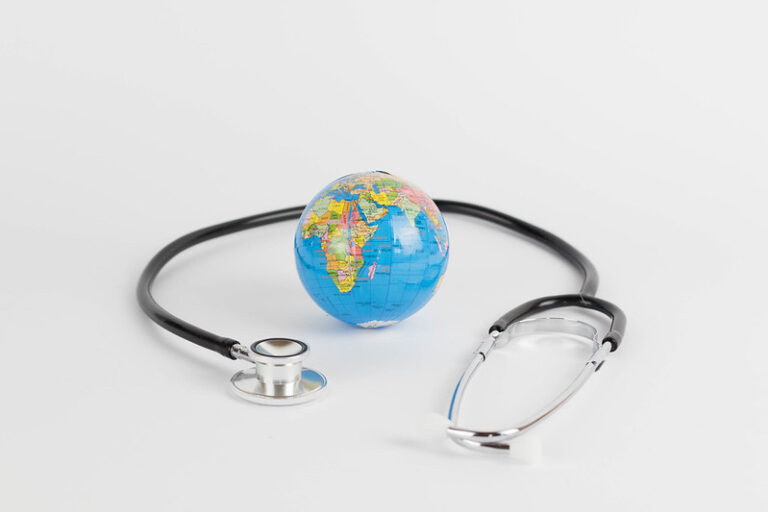
Right in the middle of the crisis, Europe is in a state of shock. Italy, Spain and France, in particular, are experiencing an extremely deep sadness and a sense of powerlessness to help the most vulnerable, especially the elderly in our societies, despite health and social protection systems that could generally be considered better endowed and better organised than in other parts of the world. This deep moral distress goes beyond the question of how effectively different Governments have managed the crisis, and beyond questioning the policies that have undermined these social systems, although both questions will remain legitimate when it comes to learning the lessons of the crisis. The extreme vulnerability of the most fragile is bursting into our lives and into the public debate in industrialised countries.

Read more >

The health crisis is shifting the lines between science, politics and society: getting a clearer picture

Scientists are particularly exposed in the current health crisis, where governments are using their advice to consolidate their decisions. Thus summoned as experts, also by the media, they find themselves both placed in collective responsibility, as is the case with the scientific council mobilised around the French government, and exposed individually. They also constitute a reference point, to which one can refer in order to gradually build up, as a citizen, an understanding of the situation. The role of science within society and in relation to the major political decisions that have to be made is thus extremely active, in various configurations, and subject to multiple pressures.

Read more >

Pockets of effectiveness. What we can learn from and about africa in the corona crisis

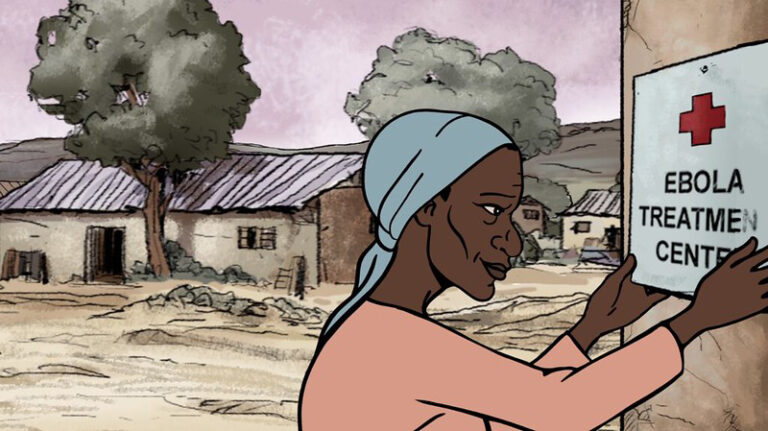
Is Africa defenceless in the face of the corona pandemic? This would appear to be self-evident, as even health care systems far better equipped than those of many African countries are currently on the verge of collapse. Nonetheless, such a conclusion is premature. In part, some African countries are even better prepared for pandemics than Europe and the United States. Nigeria’s success in fighting its 2014 Ebola outbreak illustrates why that is the case and what lessons wealthier countries and the development cooperation community can learn from it.

Read more >

Curb your enthusiasm: Corona may slow down multilateral process, but must not derail global climate policy

This is not to downplay the urgency of addressing the immediate impacts of the Corona crisis, but to turn towards a sustainable way forward that avoids the dead ends of apparent quick-fix solutions. Short-term economic impacts, as a result of Corona containment policies, are unavoidable. Yet, the very reason why climate action was not pushed forward hitherto was due to concerns on short-term economic impacts, notwithstanding the prospect of substantial gains in the long-run. Hence, the current disruptions should help rather than hinder policy adjustments and investments that pursue emissions reductions and a responsible use of natural resources while at the same time creating decent jobs and stimulating economic growth.

Read more >

Sign up
for our newsletter 

Scroll to Top