Publications 

ETTG offers analysis and evidence-based discussions on all aspects of development cooperation. Outputs range from blogs, policy briefs and collective reports to informal takeaways from network events.

European independent think tanks

The six institutes that compose ETTG cover all aspects of international development and cooperation policy.. They share a strong commitment to higher global welfare, and a strong belief in the importance of better collective action to achieve global goals. As think-tanks, and as policy-focused research institutes, they also share a commitment to effective outreach and engagement with policy-makers and policy processes.

Generic selectors
Exact matches only
Search in title
Search in content
Post Type Selectors
Category

Latest

Policy coherence issues emerging from COVID-19 with a focus on healthcare supply chains

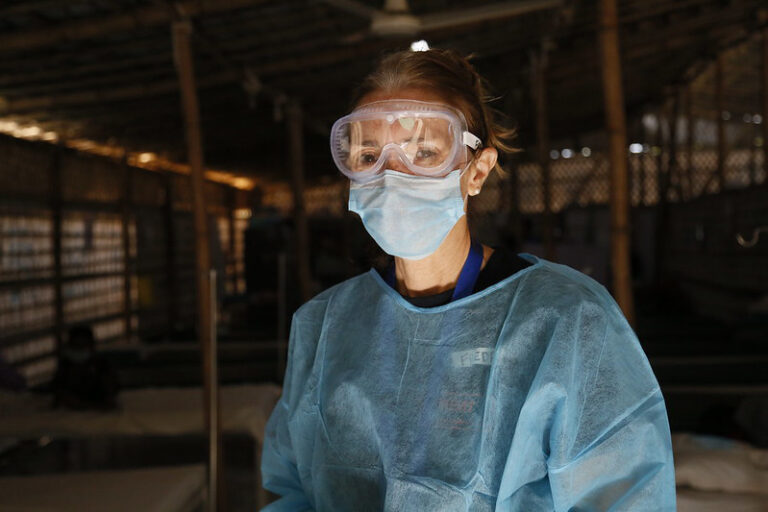
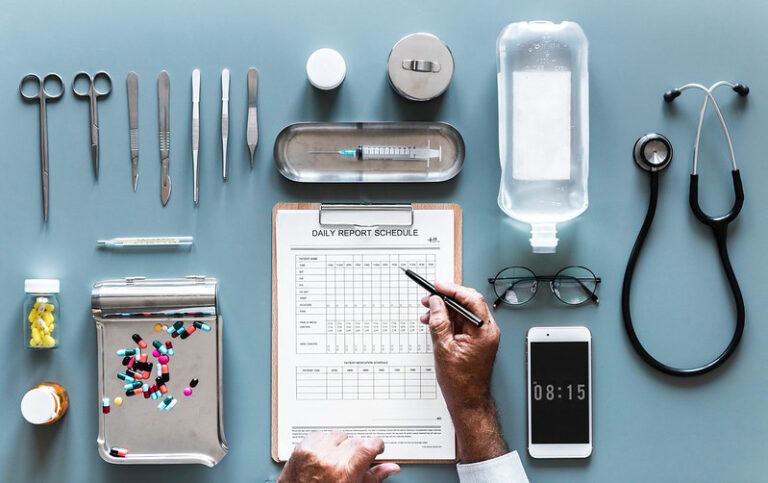
The management of the coronavirus pandemic has been considerably impaired by a dearth of essential medical and pharmaceutical products. Disruptions in supply chains for healthcare goods have caused shortages and tight inventories. The reliance of many countries, particularly in Europe and Africa, on products imported from a few international suppliers is largely the result of the process of globalisation in the past decades. In conjunction with the lack of preparedness of health and civil protection systems, interdependencies in healthcare sectors, notably between Europe and Asia, made them vulnerable to a crisis affecting both exporters and importers.
Read more >

Following the money: Why a COVID-19 marker might not help

The EU is putting forward the idea of a COVID-19 marker on aid data to track the unprecedented mobilisation of resources to tackle the crisis globally. Rather than such a marker, the EU should consider supporting more sustainable and technologically-savvy approaches to ensure much needed transparency and accountability. The EU could back a number of other initiatives that are likely to better meet information needs, strengthening data ecosystems in developing countries and improving global reporting during and beyond the ongoing crisis.

Read more >

The China-Africa summit on COVID-19: Geopolitical and economic considerations

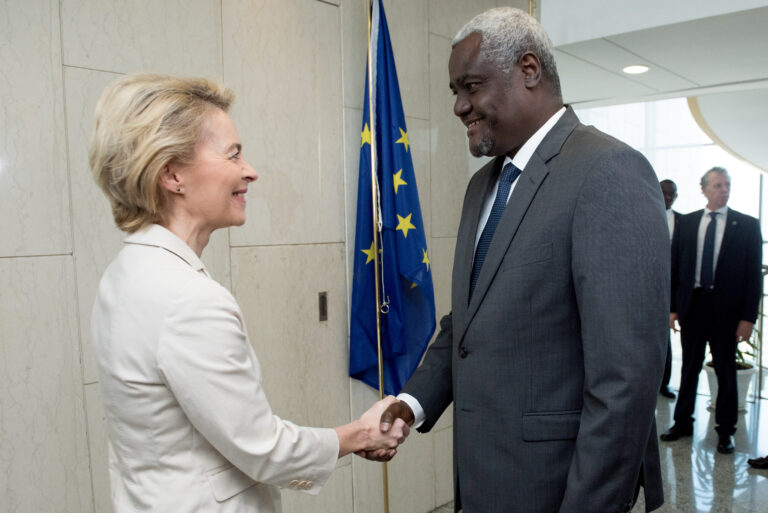
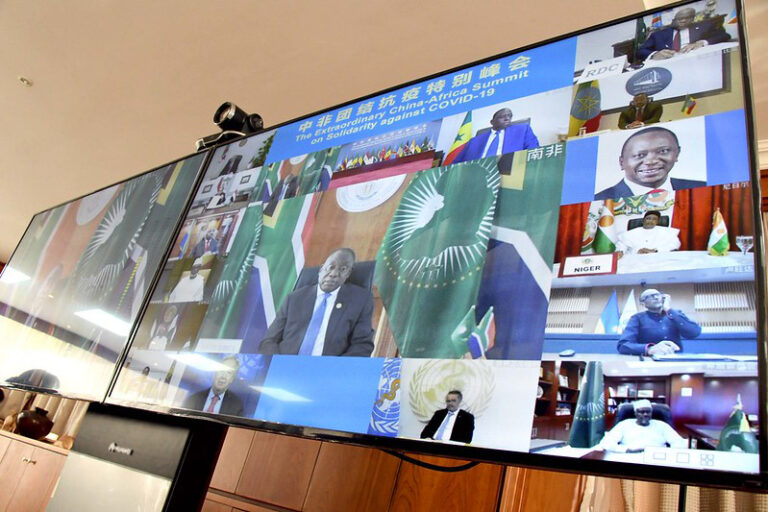
While the EU weeps over the slow progress in the preparation of the EU-Africa Summit in October – partly slowed down by the COVID-19 pandemic – China and African leaders held an ‘Extraordinary China-Africa Summit on Solidarity Against COVID-19’ last week. Thirteen African leaders took part in this virtual event, including South Africa’s President and African Union Chairperson, Cyril Ramaphosa, and Moussa Faki Mahamat, Chair of the African Union Commission.

Read more >

How to avoid the aid trap in the AU-EU strategic relationship

COVID-19 has had far-reaching effects all over the world, the most visible of which on the world economy and public health. Could it also have an impact on Europe-Africa relations? With an EU-AU summit scheduled for late 2020, the pandemic will undoubtedly play a central role in it. Can the two continents avoid the usual aid mindset and move on to a more strategic one? Fernando Jorge Cardoso reflects on the nature of Europe-Africa relations since 2000 and argues that separating aid from strategy could help relaunch the relationship.

Read more >

COVID-19 in Africa: Driver of conflict, or too early to tell?

COVID-19 has caused disruptions across the globe on a scale not previously imagined. This brief looks at the consequences of the COVID-19 crisis for conflict-affected areas in Africa, as well as measures taken against the pandemic, which are likely to be even more profound and far-reaching. But as the virus continues to spread, the impact of COVID-19 on ongoing conflicts is still uncertain.

Read more >

Towards an EU global COVID-19 response 2.0: Boosting smarter finance

The ‘Team Europe’ approach should be a rallying point for the active engagement of EU member states and financial institutions, to respond to the COVID-19 crisis and achieve the Sustainable Development Goals. While keeping its priorities, notably towards a value-based approach, resilient health systems, a greening of the recovery and digitalisation, the EU should put greater emphasis on food security and sustainable food systems. Moreover, women should have a central place in the EU’s global response 2.0.

Read more >

Sign up
for our newsletter 

Scroll to Top