An Agenda for Europe in the World
In this ‘Agenda for Europe in the World’, we share concrete proposals for the new EU leadership, focusing on nine key domains where the EU can make a difference.

In this ‘Agenda for Europe in the World’, we share concrete proposals for the new EU leadership, focusing on nine key domains where the EU can make a difference.

Driven by the continuous rise in international demand, the production of cocoa has shot up for the last few decades. In the meantime, concerns about the sustainability of the sector have been at the centre of both private and governmental policies (in both producing and importing countries), following growing concerns about social abuses and environmental destruction linked to cocoa production

In this paper, researchers from the European Think Tanks Group propose a set of actions the EU should consider to raise its climate ambition and exert credible climate leadership in a challenging global context.
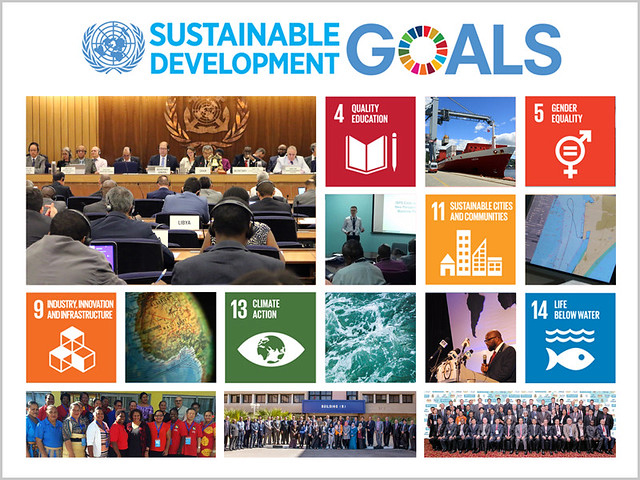
On 24 and 25 September, heads of state and government will discuss progress on implementation of the 2030 Agenda for Sustainable Development at a summit in New York – for the first time since the agenda was adopted in 2015. With more than ten years to go, is there any reason for optimism? In which areas did the world make real progress? Where should we speed up implementation? And what could the new EU leadership do better in the next five years?

Developed countries are making progress in reducing carbon emissions – and Government regulation of the private sector is playing its part. In the UK, for example, and alongside other measures, the requirement to report energy and carbon emissions has recently been extended to a wide range of quoted and unquoted companies and limited liability partnerships. This is intended to help improve energy efficiency, support companies in cutting costs, and at the same time reduce carbon emissions

Ten years after committing to phase-out fossil fuel subsidies, EU governments still lack concrete plans to put an end to taxpayers’ money being spent in a way that accelerates the climate crisis. While EU Member States are supposed to report on their fossil fuel subsidies and plans to end them as part of their National Energy and Climate Plans (NECPs), new analysis shows that none of the draft plans present a comprehensive overview of subsidies nor a clear plan to end them.