
Publications 

ETTG offers analysis and evidence-based discussions on all aspects of development cooperation. Outputs range from blogs, policy briefs and collective reports to informal takeaways from network events.

European independent think tanks

The six institutes that compose ETTG cover all aspects of international development and cooperation policy.. They share a strong commitment to higher global welfare, and a strong belief in the importance of better collective action to achieve global goals. As think-tanks, and as policy-focused research institutes, they also share a commitment to effective outreach and engagement with policy-makers and policy processes.

Generic selectors
Exact matches only
Search in title
Search in content
Post Type Selectors
Category

Latest

G20 ministerial meetings: high-time for development and finance ministers to work hand in hand for a sustainable global recovery

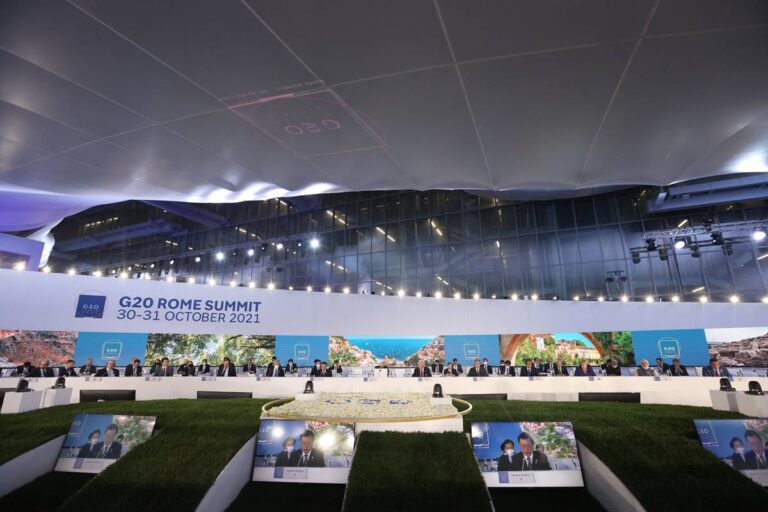
On 29 June, G20 Ministers responsible for development policy convened for the first time under the Italian Presidency. The meeting saw the adoption of a detailed and ambitious policy communique that in addition to prompting international action is also expected to further inform the deliberations of other G20 ‘tracks’ that may affect developing countries. It seems particularly strategic to us that the meeting of Finance Ministers at the end of this week in Venice picks up and further develops on these commitments.

Read more >

Green Transitions in Africa–Europe relations: What role for the European Green Deal?

Europe–Africa relations are facing a double challenge – the COVID-19 pandemic puts social and economic systems under strain at a point when the consequences of the climate crisis are being increasingly felt on both continents. Within Africa and Europe, debates have started about recovery measures to address the pandemic’s short and medium-term socio-economic consequences. A key question in these debates is how to “build back better” and use the crisis to promote green transitions and move towards more sustainable development pathways.

Read more >

A new multilateralism for the post-COVID world: What role for the EU-Africa partnership?

Multilateralism has been in trouble for a while, particularly​ ​at the global level. Yet, the European Union (EU) and its​ ​member states have remained among its staunchest​ ​supporters.​I​n their June 2019 Council Conclusions, EU​ ​leaders drew the outlines of a common European vision to​ ​uphold, extend and reform the multilateral system. Against​ ​an increasingly complex and contested geopolitical​ ​backdrop, these goals were further developed in the​ ​recent EU Communication on Multilateralism, published in​ ​February 2021.

Read more >

Putting ‘Policy Coherence for Peace’ at the Heart of the EU’s Approach to External Crises and Conflicts

The adoption of the EU’s Multi-annual Financial Framework (MFF) 2021-2027 will bring profound changes to the set-up of the EU’s instruments for crisis prevention, conflict management and peacebuilding in fragile and conflict-affected countries, which aim to improve the EU’s ability to engage in these contexts. However, reforming the EU’s financial instruments alone is not sufficient to address key underlying challenges. What is needed is an overarching strategic framework that puts policy coherence for sustainable peace at the centre of EU crisis prevention, conflict management and peacebuilding. 

Read more >

Mind the Gap? Sketching the relevance of the 2030 Agenda for the Green Deal and other key EU policies in the context of the COVID-19 crisis

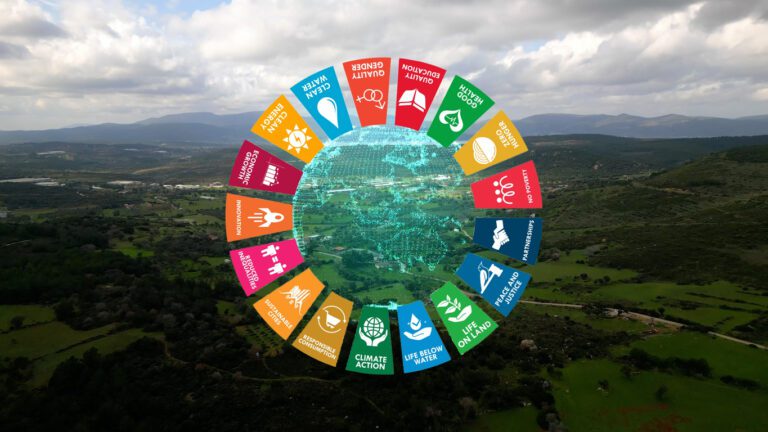
The consequences of COVID-19 will shape European policies and politics for years to come. Europe is lacking behind particularly on the SDGs related to agriculture, climate change and biodiversity and in strengthening convergence of living standards across EU member states. The pandemic has made these SDGs even more difficult to achieve by 2030, and could derail progress on other SDGs as well.

Read more >

Sign up
for our newsletter 

Scroll to Top