
March, 2026
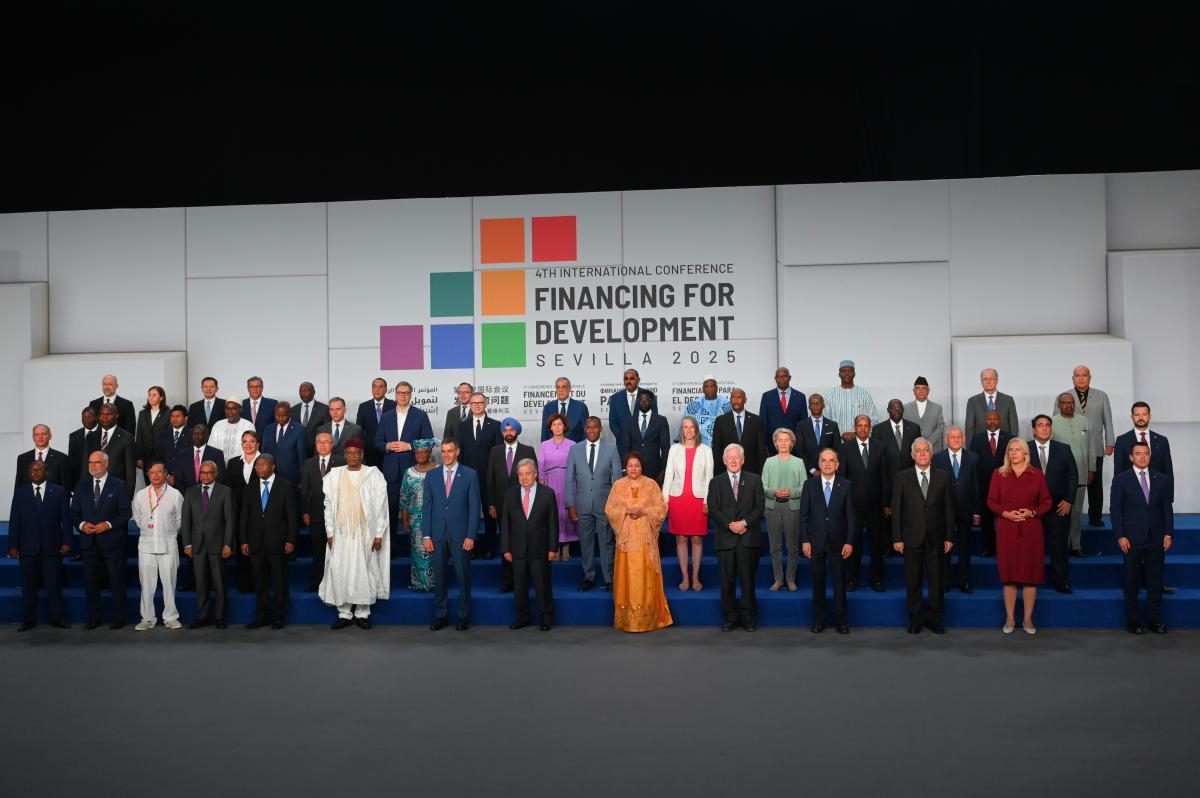
The 4th International Conference on Financing for Development (FfD4) in Sevilla concluded with a rare moment of global consensus: the Sevilla Commitment. However, as the initial diplomatic success settles, the international community faces the more arduous task of turning a shared roadmap into measurable progress. This latest policy brief explores the critical transition from high level agreements to the practical delivery of the Sevilla Platform for Action (SPA).
Our fourthcoming brief examines how to navigate a global landscape defined by declining aid budgets and a crisis in multilateralism. It suggests that moving forward requires more than just financial engineering; it demands a fundamental shift in how we approach international cooperation. By placing partner countries’ needs at the centre of reform and treating official development assistance as just one tool in a much larger financing for development toolbox, the EU and its partners can begin to bridge the US$ 4.2 trillion annual SDG financing gap.
A sneak peak into the post-Sevilla agenda:
The analysis focuses on three pillars that emerged as the most salient during the Sevilla discussions:
- The future of aid: Addressing the tension between reaffirming targets and the reality of significant cuts by traditional donors. The brief advocates for strategic vision in aid spending, prioritising the catalytic role of ODA to mobilise domestic and private resources.
- Public development banks (PDBs) as a system: Moving beyond fragmented operations to foster deeper integration between national, regional and multilateral banks. This includes scaling up project preparation and opening the PDB architecture to non-traditional actors like export credit agencies.
- Managing the debt burden: Rethinking debt systemically rather than as an isolated emergency. The brief highlights the potential of the new Sevilla Forum on Debt and the Borrowers’ Forum to rebalance the power dynamics between creditors and debtors while standardising tools like debt pause clauses and swaps.
This publication is the result of a collaborative framework involving the European Think Tanks Group (ETTG) and the Elcano Royal Institute, following a high level dialogue held in Madrid in early 2026. The discussions brought together experts from the UN, EU member states, development banks and civil society to provide actionable recommendations for the post-Sevilla era.
Authored by: Iliana Olivié (ETTG / Elcano), Karim Karaki (ECDPM), and María Santillán O’Shea (Elcano).
This policy brief was realised with the support of the Agence Française de Développement (AFD) and the Spanish Ministry of Foreign Affairs, European Union and Cooperation.
Picture source © European Union, 2025, licensed under CC BY 4.0
