Publications 

ETTG offers analysis and evidence-based discussions on all aspects of development cooperation. Outputs range from blogs, policy briefs and collective reports to informal takeaways from network events.

European independent think tanks

The six institutes that compose ETTG cover all aspects of international development and cooperation policy.. They share a strong commitment to higher global welfare, and a strong belief in the importance of better collective action to achieve global goals. As think-tanks, and as policy-focused research institutes, they also share a commitment to effective outreach and engagement with policy-makers and policy processes.

Generic selectors
Exact matches only
Search in title
Search in content
Post Type Selectors
Category

Latest

Donors, implementing agencies and DFI/PDB cooperation. The case of the Netherlands and the Dutch Fund for Climate and Development

The Dutch government has a longstanding and comprehensive cooperation with the Dutch Entrepreneurial Development Bank (FMO) via the Ministry of Foreign Affairs (MoFA) and Ministry of Economic Affairs and Climate Policy. The cooperation is geared towards catalysing private sector investment for sustainable development impact, including through blended finance. The Dutch government is a founder and majority shareholder of FMO, accounting for 51% of its shares. It is thus at the heart of FMO’s governance. This allows the Dutch government, particularly, the MoFA, to steer and influence FMO operations and ensure that they contribute to the government’s development policy objectives and priorities.

Read more >

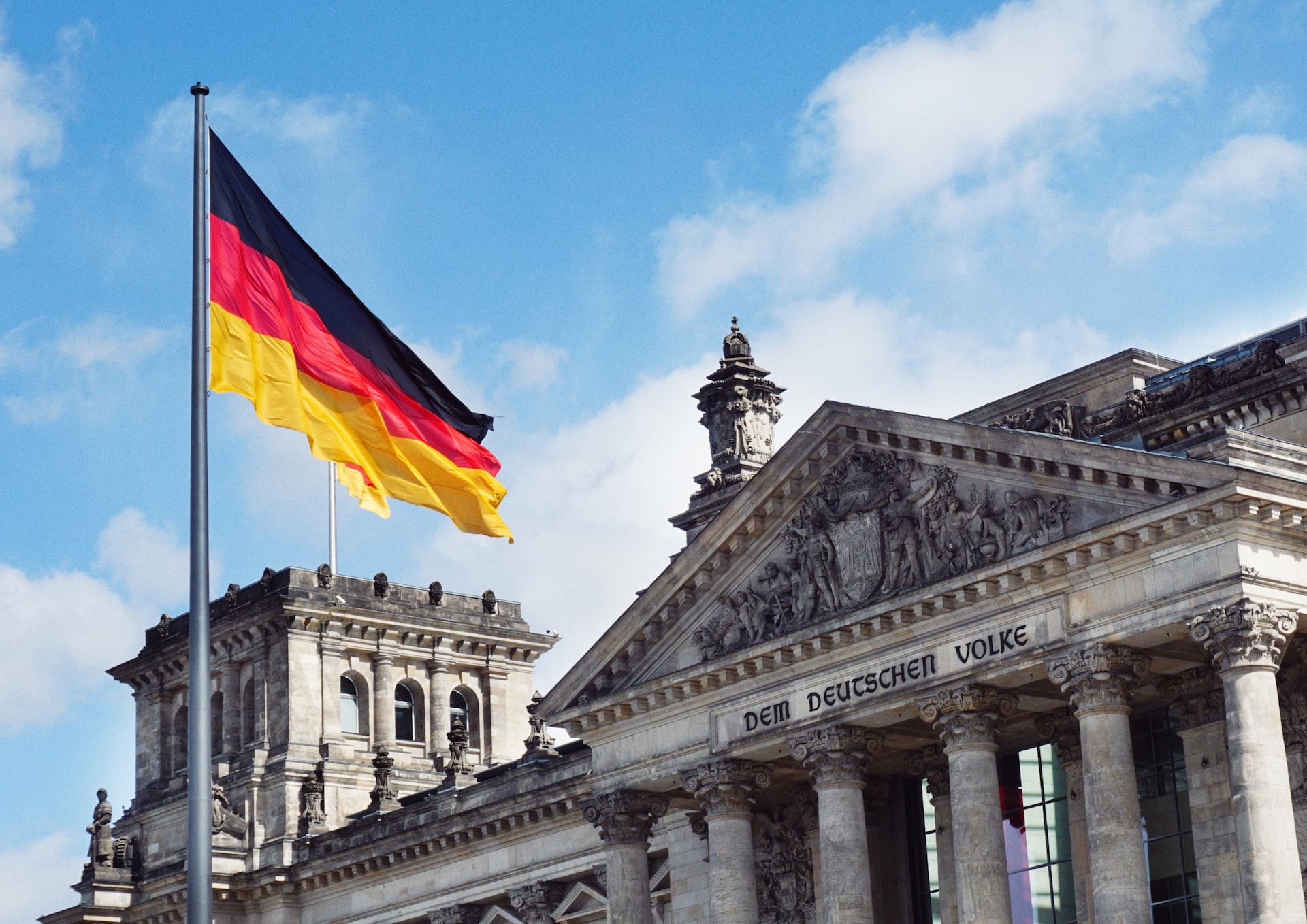
Donors, implementing agencies and DFI/PDB cooperation – The case of Germany: BMZ, GIZ, KfW and DEG

In Germany, the Federal Ministry for Economic Cooperation and Development (BMZ) leads in coordinating the government’s bilateral development policy priorities and positions. These are then operationalised and carried out in the form of distinct interventions by implementing agencies. Since a number of key reforms in the first decade of the 2000s, two main agencies have been involved in implementing Germany’s financial and technical cooperation: the KfW Group (Kreditanstalt für Wiederaufbau Bankengruppe) and Gesellschaft für Internationale Zusammenarbeit (GIZ).

Read more >

Enhancing coordination​ ​between European donors,​ ​development agencies​ ​and DFIs/PDBs​ – ​Insights and recommendations

With the increasing reliance on development finance to mobilise resources and​ ​catalyse private sector initiatives and finance at scale for greater sustainable​ ​development impact, a parallel impetus has emerged to foster more coherence and​ ​synergy among development actors. The European Union (EU) is at the forefront of​ ​this endeavour. Collectively

Read more >

Ready for a common Africa-Europe future? Our reflections beyond the 6th EU-AU summit

The 6th EU-AU summit, held in Brussels on 17-18 February 2022, marked an important milestone
in the relationship between the European Union (EU) and the African Union (AU). After almost a
year and a half of delay, the summit provided leaders of both European and African countries
an opportunity to negotiate on a series of key topics that will shape the future of their relations.
Additionally, the summit provided a further opening for the regional bodies and their member
states to move away from an asymmetrical top-down relationship to a more vertical partnership
in which both sides negotiate deals based on sound analysis, trust and mutual respect.

Read more >

Putting Development at the Centre of G20 Policy Agenda: Lessons for the T20

Our ETTG Coordinator Daniele Fattibene has published an IAI paper on how the Think20 (T20) can support the G20 Development Working Group (DWG) to boost the G20 legitimacy on development cooperation worldwide. The paper, that benefited from the review of ETTG members like Geert Laporte and Niels Keijzer, addresses strengths and weaknesses of the G20 DWG, providing policy recommendations on how the DWG and T20 can feed better into each other’s policy agendas, increasing their chances to influence other G20 tracks on crucial development issues such as development finance, food security or the global climate agenda.

Read more >

Sign up
for our newsletter 

Scroll to Top