
Publications 

ETTG offers analysis and evidence-based discussions on all aspects of development cooperation. Outputs range from blogs, policy briefs and collective reports to informal takeaways from network events.

European independent think tanks

The six institutes that compose ETTG cover all aspects of international development and cooperation policy.. They share a strong commitment to higher global welfare, and a strong belief in the importance of better collective action to achieve global goals. As think-tanks, and as policy-focused research institutes, they also share a commitment to effective outreach and engagement with policy-makers and policy processes.

Generic selectors
Exact matches only
Search in title
Search in content
Post Type Selectors
Category

Latest

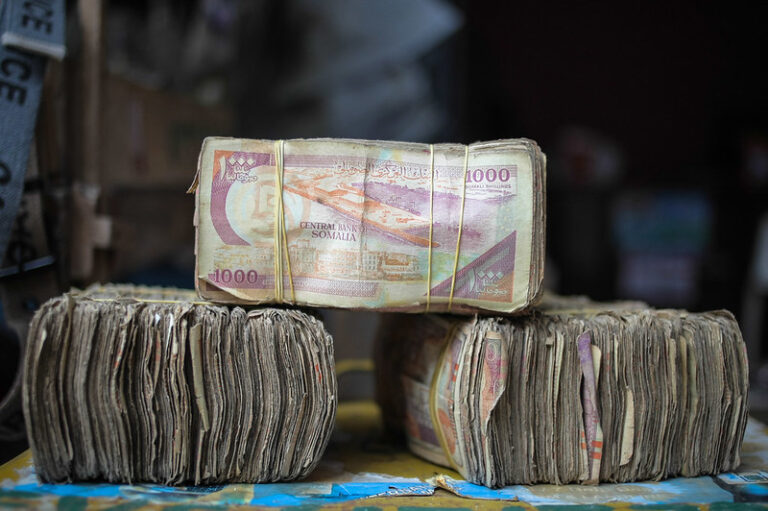
The impact of COVID-19 on remittances for development in Africa

This paper stresses the importance of filling the development financing gaps that have been widened by shrinking remittances and suggests adaptations and increases in official development assistance (ODA) as an immediate solution to cushion some of the short-run effects of the COVID-19 pandemic.
Also, the paper highlights the short- and medium-term measures that policymakers and development partners in both sending and receiving countries should take to lessen the decline in remittance flows.

Read more >

EU humanitarian aid: Caught between nexus and independence

This brief analyses current issues in the EU’s humanitarian aid and makes recommendations for responding to the challenges ahead. Specifically, it addresses the tensions between the Commission’s ambition to be a geopolitical actor and to better respond to multidimensional crises through a ‘nexus approach’ and the strong needs-based humanitarian assistance the EU provides. The analysis is based on a structured review of academic and policy sources, complemented by interviews with Brussels-based humanitarian aid policymakers.

Read more >

COVID-19: A Stress Test for International Development Cooperation

As the Coronavirus pandemic expands, and peak contagion remains uncertain, policy responses are gradually emerging, being implemented in a number of domains.
The crisis has several important implications, but two are currently dominating the headlines: individual health and the sustainability of national healthcare systems, and the economic fallout from the pandemic.

Read more >

How can the European Union help developing countries address the socioeconomic impacts of the coronavirus crisis?

With the global economy going into a steep recession, developing countries are facing considerable financing shortfalls. Confronted with its most severe crisis since WWII, Europe needs to adopt a global perspective, as it cannot successfully address it in isolation. There is a moral imperative to help vulnerable people in distress and foster global solidarity to prevent catastrophic outcomes.

Read more >

First the virus, then poverty? Why social protection is crucial in the corona crisis

The Spanish flu was one of the most devastating pandemics in human history, claiming up to 50 million lives worldwide between 1918 and 1919. It has many parallels with the current coronavirus and the international community would do well to learn from such past pandemics. For every flu death back then, four people survived, but became impoverished. In order to prevent such a scenario, we need to act now to utilise and adapt social protection systems to provide rapid, non-bureaucratic assistance to people.

Read more >

Sign up
for our newsletter 

Scroll to Top