Publications 

ETTG offers analysis and evidence-based discussions on all aspects of development cooperation. Outputs range from blogs, policy briefs and collective reports to informal takeaways from network events.

European independent think tanks

The six institutes that compose ETTG cover all aspects of international development and cooperation policy.. They share a strong commitment to higher global welfare, and a strong belief in the importance of better collective action to achieve global goals. As think-tanks, and as policy-focused research institutes, they also share a commitment to effective outreach and engagement with policy-makers and policy processes.

Generic selectors
Exact matches only
Search in title
Search in content
Post Type Selectors
Category

Latest

The role of Public Development Banks in supporting the post-COVID-19 crisis recovery in emerging and developing countries

There is not a ‘one-size-fits-all’ solution to respond and recover from the current global health emergency and economic fallout resulting from COVID-19. A combination of pragmatic solutions is needed to face the debt issue and give countries room to make the policy choices and investments that will also lay foundations to recover, putting people and nature at the heart of economic growth and development.

Read more >

EU recovery plan: towards a greener recovery?

The need for a greener recovery geared towards meeting environmental targets and climate neutrality, a subject of intense debate since the beginning of the crisis, is at the heart of the European recovery plan announced this week. The acceleration of the Green Deal is presented as one of the two pillars that should guide the European economic recovery, alongside the digital transition.

Read more >

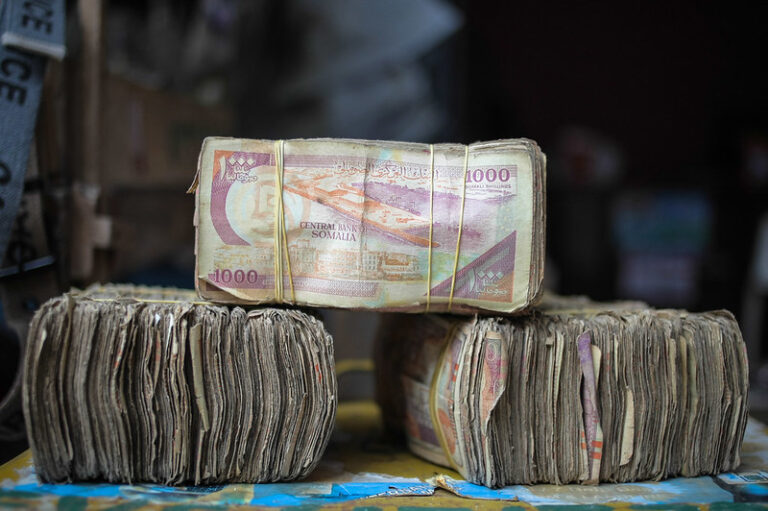
The impact of COVID-19 on remittances for development in Africa

This paper stresses the importance of filling the development financing gaps that have been widened by shrinking remittances and suggests adaptations and increases in official development assistance (ODA) as an immediate solution to cushion some of the short-run effects of the COVID-19 pandemic.
Also, the paper highlights the short- and medium-term measures that policymakers and development partners in both sending and receiving countries should take to lessen the decline in remittance flows.

Read more >

Sign up
for our newsletter 

Scroll to Top