
Publications 

ETTG offers analysis and evidence-based discussions on all aspects of development cooperation. Outputs range from blogs, policy briefs and collective reports to informal takeaways from network events.

European independent think tanks

The six institutes that compose ETTG cover all aspects of international development and cooperation policy.. They share a strong commitment to higher global welfare, and a strong belief in the importance of better collective action to achieve global goals. As think-tanks, and as policy-focused research institutes, they also share a commitment to effective outreach and engagement with policy-makers and policy processes.

Generic selectors
Exact matches only
Search in title
Search in content
Post Type Selectors
Category

Latest

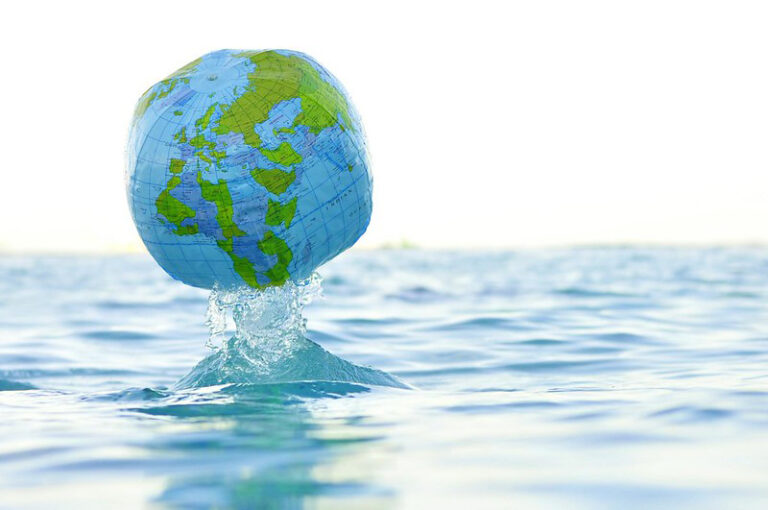
Health crisis and climate emergency: an opportunity to accelerate the diversification of oil companies’ activities?

The years preceding the health crisis linked to the Covid-19 pandemic, marked in particular by the oil counter-shock of 2014 and the signing of the Paris Climate Agreement of 2015, saw the emergence of (weak) signals of diversification of the activity and investment of certain oil companies—essentially the European majors—towards low-carbon energies. While these announcements could have a knock-on effect on the sector, they are still very insufficient in view of the effort required to initiate a rapid and profound transition of the sector towards decarbonisation,2 and are contested by several civil society actors.
Read more >

A chance to build a better future. From COVID-19 to climate action

The lockdowns in response to the outbreak of COVID-19 have had immediate effects on the environment and caused a dip in global CO2 emissions. Germany may even reach its climate target for 2020 according to forecasts. However, there is no reason to be cheerful. The pandemic and its consequences may seriously set back climate action around the globe.

Read more >

Towards a sustainable European food system: for a successful operationalisation of the “Farm to Fork” strategy

European Commission published its Farm to Fork Strategy for a fair, healthy and environmentally-friendly food system, one of the Green Deal’s 11 components. In its general principles, the strategy sets an ambitious course for the transformation of the entire sector, in line with recent scientific findings modelling sustainable food systems. Achieving the drafted objectives will, however, require going a step further by making this strategy the reference framework for the implementation of the Common Agricultural Policy (CAP), the deployment of industrial strategies in the food sector (particularly in the context of the negotiations of the post-Covid-19 crisis recovery plans) and the (re)negotiation of international trade agreements.

Read more >

Achieving the 2030 Agenda for Sustainable Development: A necessary horizon for the post-crisis recovery, but how to do it?

The current health crisis has shown, both in its emergence and in its impacts, multifaceted and interconnected risks and vulnerabilities, both in humanitarian and social, economic and environmental terms. Most of the 17 Sustainable Development Goals are concerned, individually and above all in their indivisibility, which constitutes the core and added value of the 2030 Agenda for Sustainable Development. In the context of post-crisis reconstruction, more than ever, the implementation of this universal agenda is a necessity, particularly to reduce vulnerabilities to crises by optimising the interactions between the SDGs. This post proposes some avenues.

Read more >

How to build back greener in the Covid-19 recovery

The pandemic offers an opportunity to shape climate-friendly recovery packages that both boost shorter-term job creation and incomes, and generate long-term sustainability benefits. Polling shows large popular support for recovery packages to prioritise climate change.

Read more >

Linking of human, animal and environmental health – How “One Health” can prevent pandemics

The corona crisis has grave consequences for health, the economy and society. Pandemics such as COVID-19, Ebola and cholera will return repeatedly unless we understand what causes them. New infectious diseases in humans are often unleashed by viruses and bacteria in wild animals. The destruction of undisturbed ecosystems brings humans into closer contact with animal species that could transmit hitherto unknown pathogens. Consequently, the only way to successfully prevent localised epidemics and continental pandemics is to view human, animal and environmental health as one unit, as it is in the One Health concept.

Read more >

Sign up
for our newsletter 

Scroll to Top
This website uses its own cookies for its correct functioning. By clicking on the Accept button, you accept the use of these technologies and the processing of your data for these purposes.   
Privacidad