Time for a European Climate and Sustainable Development Bank
International development cooperation risks being deeply affected by the global COVID-19 pandemic, with potentially disastrous consequences among fragile states.

International development cooperation risks being deeply affected by the global COVID-19 pandemic, with potentially disastrous consequences among fragile states.

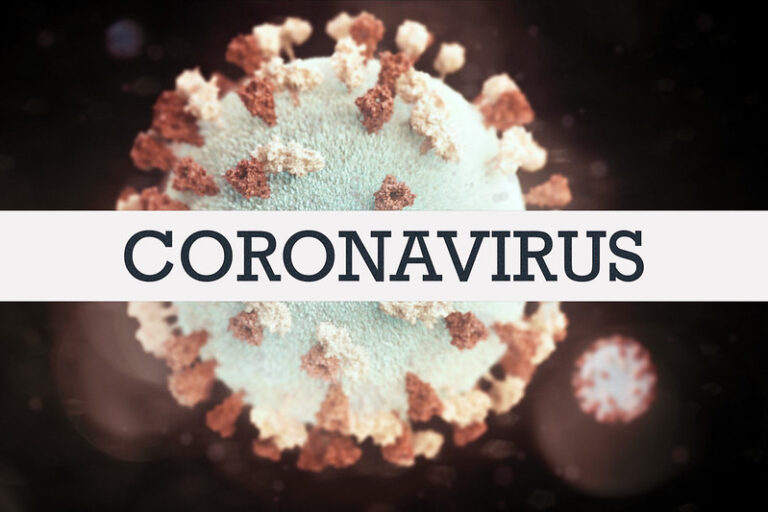
COVID19, the disease caused by the new coronavirus that has rapidly turned into a pandemic, could be the proverbial straw that breaks the camel’s back. The international liberal order, as well as the European Union within it, has been in trouble for years now. The EU has been shaken by the successive Eurozone and migration crises, while its surrounding regions were spiralling into conflict and outright collapse. COVID19 could be the final nail in the coffin of a rules-based international order and the European project within it. But it could also give birth to a new phoenix rising from its ashes. Much will depend on how Europe, both internally and internationally, will confront this epochal crisis.


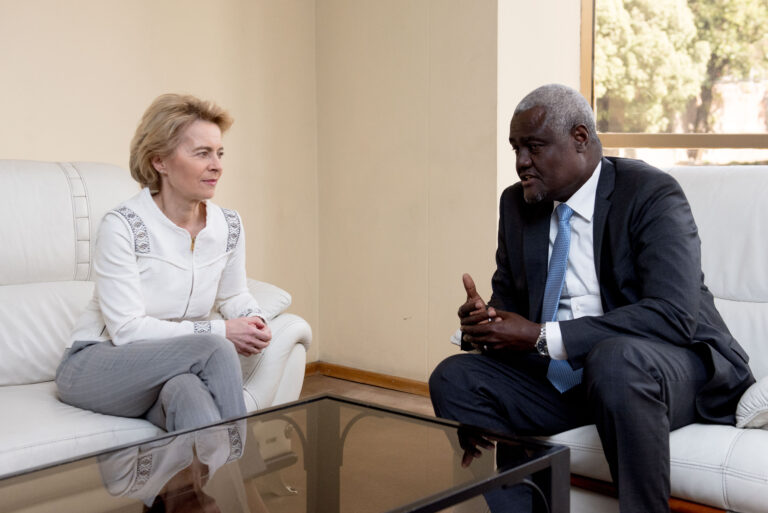
Twenty-twenty should have been the year of a fundamentally new Africa-Europe partnership, culminating in the sixth EU-AU summit in October in Brussels. Ursula von der Leyen, with a delegation of some 20 European commissioners in her wake, recently traveled to Addis Ababa for meetings with their African Union counterparts.

The Spanish flu was one of the most devastating pandemics in human history, claiming up to 50 million lives worldwide between 1918 and 1919. It has many parallels with the current coronavirus and the international community would do well to learn from such past pandemics. For every flu death back then, four people survived, but became impoverished. In order to prevent such a scenario, we need to act now to utilise and adapt social protection systems to provide rapid, non-bureaucratic assistance to people.

European public opinion seems to react quickly to perceived crises of the day, but past opinion polls show that support to international cooperation remains stable even in times of crises. Will this change in the face of the unprecedented COVID-19 crisis, which has raised questions of the effectiveness of our global governance?

Most of Europe is in lockdown, trying to cope with the huge implications of the battle against the novel coronavirus. Africans are following what is happening on the other side of the Mediterranean with relief that Africa is not currently the epicentre of the crisis, but also with a troubled gaze.