Publications 

ETTG offers analysis and evidence-based discussions on all aspects of development cooperation. Outputs range from blogs, policy briefs and collective reports to informal takeaways from network events.

European independent think tanks

The six institutes that compose ETTG cover all aspects of international development and cooperation policy.. They share a strong commitment to higher global welfare, and a strong belief in the importance of better collective action to achieve global goals. As think-tanks, and as policy-focused research institutes, they also share a commitment to effective outreach and engagement with policy-makers and policy processes.

Generic selectors
Exact matches only
Search in title
Search in content
Post Type Selectors
Category

Latest

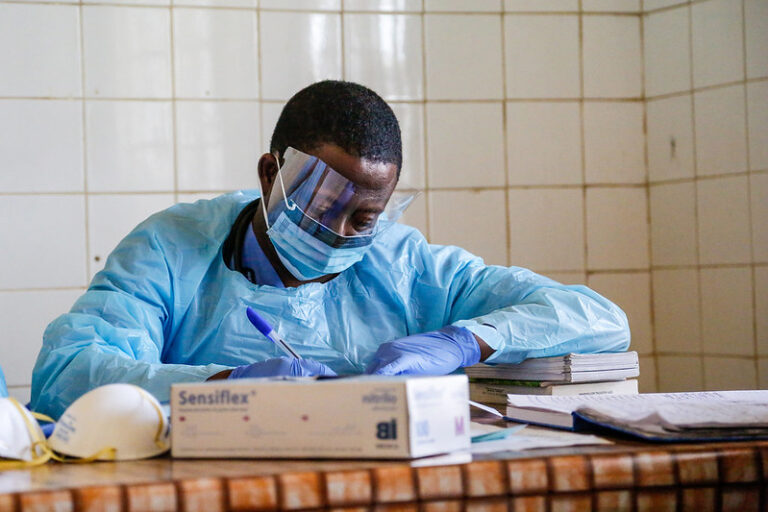
Migrant key workers: time to act

If there is one thing to learn and treasure from the devastating experience of the Covid-19 pandemic, it is the need to rethink the way communities and societies need to come together into a renewed social contract, that no longer hides the deep inequalities of the ‘old’ normal.

Read more >

A shock that shakes our certainties about the resilience of our societies: what international responses?

Right in the middle of the crisis, Europe is in a state of shock. Italy, Spain and France, in particular, are experiencing an extremely deep sadness and a sense of powerlessness to help the most vulnerable, especially the elderly in our societies, despite health and social protection systems that could generally be considered better endowed and better organised than in other parts of the world. This deep moral distress goes beyond the question of how effectively different Governments have managed the crisis, and beyond questioning the policies that have undermined these social systems, although both questions will remain legitimate when it comes to learning the lessons of the crisis. The extreme vulnerability of the most fragile is bursting into our lives and into the public debate in industrialised countries.

Read more >

First the virus, then poverty? Why social protection is crucial in the corona crisis

The Spanish flu was one of the most devastating pandemics in human history, claiming up to 50 million lives worldwide between 1918 and 1919. It has many parallels with the current coronavirus and the international community would do well to learn from such past pandemics. For every flu death back then, four people survived, but became impoverished. In order to prevent such a scenario, we need to act now to utilise and adapt social protection systems to provide rapid, non-bureaucratic assistance to people.

Read more >

Sign up
for our newsletter 

Scroll to Top