
Publications 

ETTG offers analysis and evidence-based discussions on all aspects of development cooperation. Outputs range from blogs, policy briefs and collective reports to informal takeaways from network events.

European independent think tanks

The six institutes that compose ETTG cover all aspects of international development and cooperation policy.. They share a strong commitment to higher global welfare, and a strong belief in the importance of better collective action to achieve global goals. As think-tanks, and as policy-focused research institutes, they also share a commitment to effective outreach and engagement with policy-makers and policy processes.

Generic selectors
Exact matches only
Search in title
Search in content
Post Type Selectors
Category

Latest

Fixing UN financing: a Pandora’s box the World Health Organization should open

In a context of existential transnational challenges and growing inter-state rivalries, we need well-financed, universal multilateralism that can set global rules and norms, drive forward action, and sidestep the tendency for money and military might to buy global influence. The WHO Executive Board now has an opportunity not only to reinvigorate its own organisation, but also to advance a discussion on how the entire UN system can be placed on a stronger, more financially sustainable footing. Passing up this moment out of fear of the implications for member state fiscal obligations to the wider UN system would be both unfortunate and short-sighted.

Read more >

Vaccine hesitancy as a global challenge – Why rebuilding trust in governments is key to end COVID-19

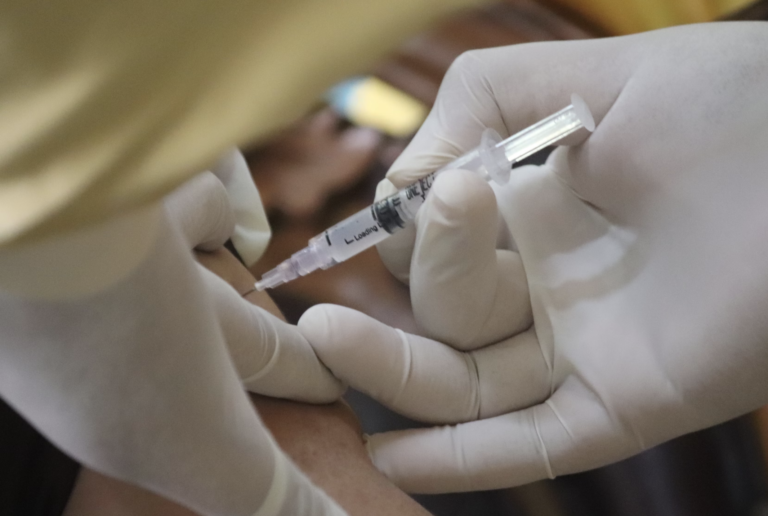
Rejection of the jab from parts of the population remains a challenge for achieving increased immunisation coverage and, consequently, the end of the pandemic. Because vaccine hesitancy is largely driven by lack of trust in governments, rebuilding trust in governments is essential for a successful global vaccination campaign. Trust is an essential attribute of social cohesion and socially cohesive societies are more resilient during crisis. The current one is certainly not the last we will face.

Read more >

The proof of the haggis: Making sense of the Glasgow climate change conference

In spite of all the anger and frustration that was palpable especially during the final iterations of the Glasgow cover decision, it would be too bleak to consider COP26 as a mere waste of time and effort. Much rather, the Glasgow package delivered a hefty lump for all Parties to chew on. As of now, it remains hard to tell how palatable individual Parties will find their haggis once they take it to their domestic tables. But if they now act even upon the half-hearted words of the Glasgow Climate Pact, the implementation of the Paris Agreement could finally gain traction. Ultimately, the proof of the haggis will be in the eating.

Read more >

How Can the G20 Support Innovative Mechanisms to Mobilise Financial Resources for LDCs in a Post-Pandemic World?

The covid-19 pandemic has generated severe health, economic and debt crises for the least developed countries (LDCs). On the one hand, they cannot mobilise sufficient financial resources on their own to cope with the effects of the pandemic because their public revenues are too low and external finance is not always available. On the other hand, many LDCs have been highly indebted, even prior to the crisis.

Read more >

Still on track? The UN Climate Conference has to prove that the Paris Agreement is working

Five years after the Paris Climate Agreement entered into force and one year after the COVID-enforced hiatus, the 26th Conference of the Parties to the UN Framework Convention on Climate Change (“COP26”) will convene in the Scottish city of Glasgow on 31 October. At long last! Amongst its most important tasks will be advancing the implementation of the Paris Agreement by resolving the remaining issues surrounding its rules for implementation.

Read more >

Sign up
for our newsletter 

Scroll to Top