Publications 

ETTG offers analysis and evidence-based discussions on all aspects of development cooperation. Outputs range from blogs, policy briefs and collective reports to informal takeaways from network events.

European independent think tanks

The six institutes that compose ETTG cover all aspects of international development and cooperation policy.. They share a strong commitment to higher global welfare, and a strong belief in the importance of better collective action to achieve global goals. As think-tanks, and as policy-focused research institutes, they also share a commitment to effective outreach and engagement with policy-makers and policy processes.

Generic selectors
Exact matches only
Search in title
Search in content
Post Type Selectors
Category

Latest

Germany’s post-crisis recovery plan: some stimulus for the climate

The German post-crisis recovery plan was unveiled by the coalition government on the night of June 3-4. With a total volume of €130 billion, and therefore much higher than initially expected, it provides for nearly €35 billion for climate-friendly investments, particularly in the transport sector and in the development of a hydrogen industry, partly based on the proposals made by Agora Energiewende.1 Although the initial assessment is rather positive, efforts are still required, particularly in the buildings sector, for the acceptability of renewable energies or the reduction of electricity taxation. The recovery plan as presented sends a strong signal regarding the direction the German economic and climate policy will take, as the country will take over the rotating Presidency of the Council of the European Union as of July. 
Read more >

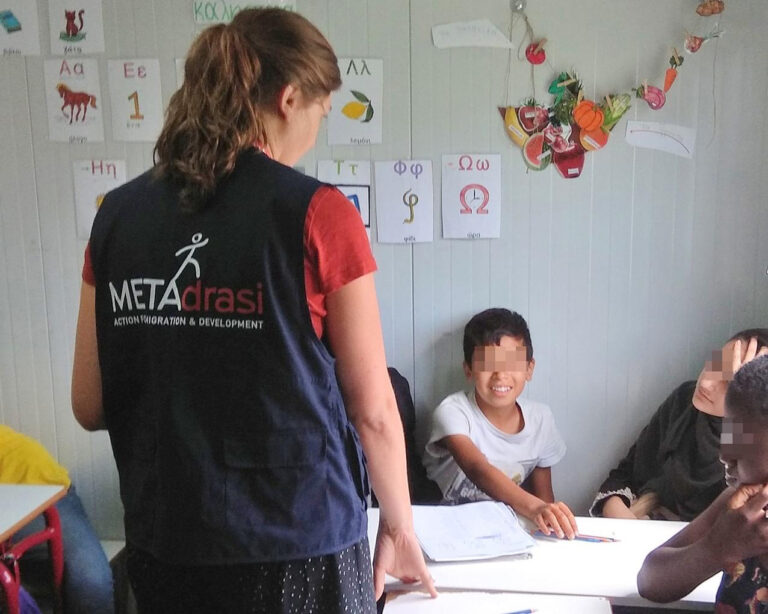
Reforming asylum in Europe: Lessons from local actors in Greece

The COVID-19 pandemic has created an additional layer of difficulty for refugees and asylum seekers, with frontline states like Greece facing unprecedented pressure in dealing simultaneously with a  humanitarian crisis and the health crisis. The situation calls for EU states to speed up the reform of the Common European Asylum System (CEAS) since the current impasse is exacerbating the life conditions of thousands of refugees and asylum seekers.

Read more >

A shock that shakes our certainties about the resilience of our societies: what international responses?

Right in the middle of the crisis, Europe is in a state of shock. Italy, Spain and France, in particular, are experiencing an extremely deep sadness and a sense of powerlessness to help the most vulnerable, especially the elderly in our societies, despite health and social protection systems that could generally be considered better endowed and better organised than in other parts of the world. This deep moral distress goes beyond the question of how effectively different Governments have managed the crisis, and beyond questioning the policies that have undermined these social systems, although both questions will remain legitimate when it comes to learning the lessons of the crisis. The extreme vulnerability of the most fragile is bursting into our lives and into the public debate in industrialised countries.

Read more >

Sign up
for our newsletter 

Scroll to Top