Publications 

ETTG offers analysis and evidence-based discussions on all aspects of development cooperation. Outputs range from blogs, policy briefs and collective reports to informal takeaways from network events.

European independent think tanks

The six institutes that compose ETTG cover all aspects of international development and cooperation policy.. They share a strong commitment to higher global welfare, and a strong belief in the importance of better collective action to achieve global goals. As think-tanks, and as policy-focused research institutes, they also share a commitment to effective outreach and engagement with policy-makers and policy processes.

Generic selectors
Exact matches only
Search in title
Search in content
Post Type Selectors
Category

Latest

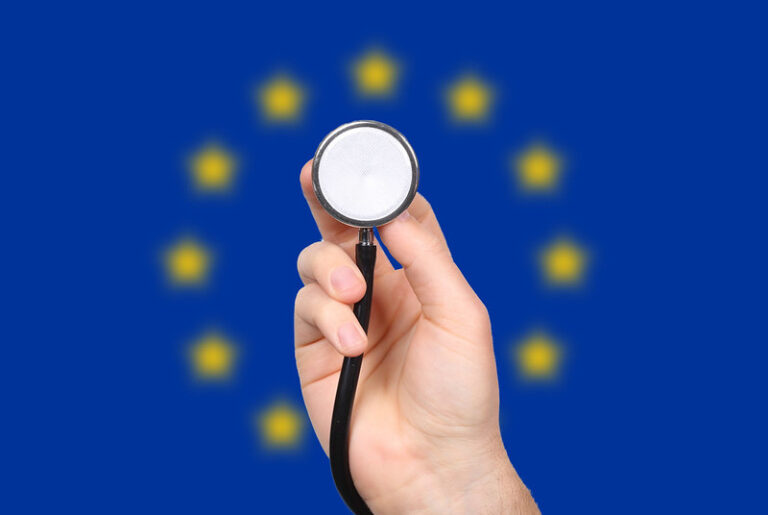
Towards an EU global COVID-19 response 2.0: Boosting smarter finance

The ‘Team Europe’ approach should be a rallying point for the active engagement of EU member states and financial institutions, to respond to the COVID-19 crisis and achieve the Sustainable Development Goals. While keeping its priorities, notably towards a value-based approach, resilient health systems, a greening of the recovery and digitalisation, the EU should put greater emphasis on food security and sustainable food systems. Moreover, women should have a central place in the EU’s global response 2.0.
Read more >

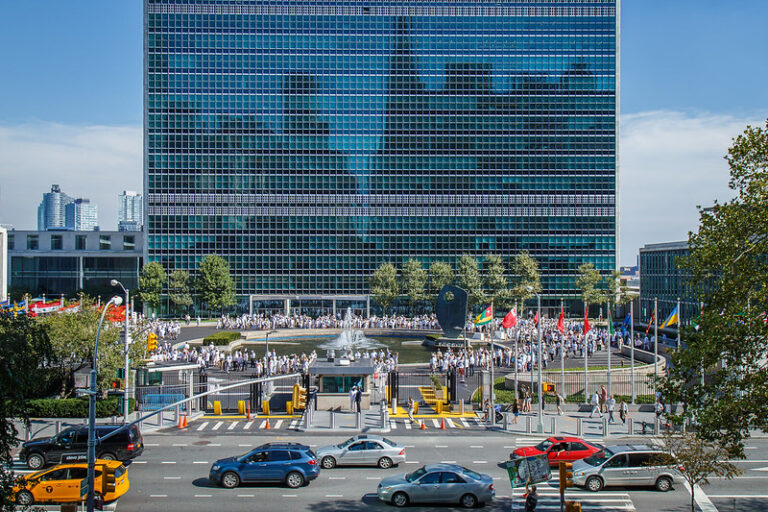
UN reform and the COVID-19 pandemic – what role for the UN to better serve the world?

The Covid-19 pandemic not only threatens to undo development gains and reverse progress in achieving the sustainable development goals of the 2030 Agenda. It also presents an early and serious test for the reform of the UN development system (UNDS), where major reform decisions were taken in 2018 to reposition the UNDS for improved, integrated and strategic support in line with the 2030 Agenda’s interlinked nature.

Read more >

Achieving the 2030 Agenda for Sustainable Development: A necessary horizon for the post-crisis recovery, but how to do it?

The current health crisis has shown, both in its emergence and in its impacts, multifaceted and interconnected risks and vulnerabilities, both in humanitarian and social, economic and environmental terms. Most of the 17 Sustainable Development Goals are concerned, individually and above all in their indivisibility, which constitutes the core and added value of the 2030 Agenda for Sustainable Development. In the context of post-crisis reconstruction, more than ever, the implementation of this universal agenda is a necessity, particularly to reduce vulnerabilities to crises by optimising the interactions between the SDGs. This post proposes some avenues.

Read more >

Financing the 2030 Agenda for Sustainable Development: prerequisites, and opportunities for the post-Covid-19 crisis

With a view to supporting international discussions currently taking place within the United Nations’ SDG monitoring process, and to drawing attention to the aspects of the 2030 Agenda most relevant to the global crisis response (health, food, livelihoods, etc), this Issue Brief from IDDRI intends to provide professionals in the fields of development, diplomacy and finance with a strategic in-depth understanding of the complexity and challenges embedded in the issue of financing the 2030 Agenda; it also suggests avenues for more efficient financing processes in terms of principles, instruments and partnerships.

Read more >

Linking of human, animal and environmental health – How “One Health” can prevent pandemics

The corona crisis has grave consequences for health, the economy and society. Pandemics such as COVID-19, Ebola and cholera will return repeatedly unless we understand what causes them. New infectious diseases in humans are often unleashed by viruses and bacteria in wild animals. The destruction of undisturbed ecosystems brings humans into closer contact with animal species that could transmit hitherto unknown pathogens. Consequently, the only way to successfully prevent localised epidemics and continental pandemics is to view human, animal and environmental health as one unit, as it is in the One Health concept.

Read more >

Sign up
for our newsletter 

Scroll to Top