Publications 

ETTG offers analysis and evidence-based discussions on all aspects of development cooperation. Outputs range from blogs, policy briefs and collective reports to informal takeaways from network events.

European independent think tanks

The six institutes that compose ETTG cover all aspects of international development and cooperation policy.. They share a strong commitment to higher global welfare, and a strong belief in the importance of better collective action to achieve global goals. As think-tanks, and as policy-focused research institutes, they also share a commitment to effective outreach and engagement with policy-makers and policy processes.

Generic selectors
Exact matches only
Search in title
Search in content
Post Type Selectors
Category

Latest

Building Back Better Social Contracts – International Cooperation with Fragile MENA Countries in the COVID-19 Context

Governments in the Middle East and in North Africa (MENA) are tackling the pandemic in different ways, many challenged by weak social systems and growing societal frustrations. In relatively prosperous (middle-income) countries – such as Lebanon, Egypt and Iraq – leaders have used the pandemic as an excuse to suppress justified protests at their lack of accountability and failure to provide basic services. For international cooperation, which supports the functioning of legitimate, accountable governments and resilient societies, this poses a critical challenge – as the case of Lebanon currently illuminates.

Read more >

Africa trade and Covid‑19: the supply chain dimension

The global Covid-19 pandemic has had an enormous impact on trade across the world. Value chains and trade have slowed down, or even been brought to a halt, via several channels. This paper investigates the impacts of the pandemic on trade and value chains in Africa, with a special focus on Ethiopia and Kenya. It also makes specific policy recommendations regarding the African Continental Free Trade Area Agreement in the light of Covid-19.

Read more >

“Pray in Your Homes”: Religion and the State in North Africa in Times of COVID-19

COVID-19 has led governments across the Middle East and North Africa (MENA) to take a number of measures to battle the pandemic. Many of these actions directly related to religious practices such as the cancelation of the Hajj pilgrimage to Mecca, closing down mosques and amending the call to prayer from the usual “hayya alas-salah” or “come to prayer” to “salu fi buyutikum” or “pray in your homes”.

Read more >

Profiteers of the pandemic? COVID-19 has not killed global populism

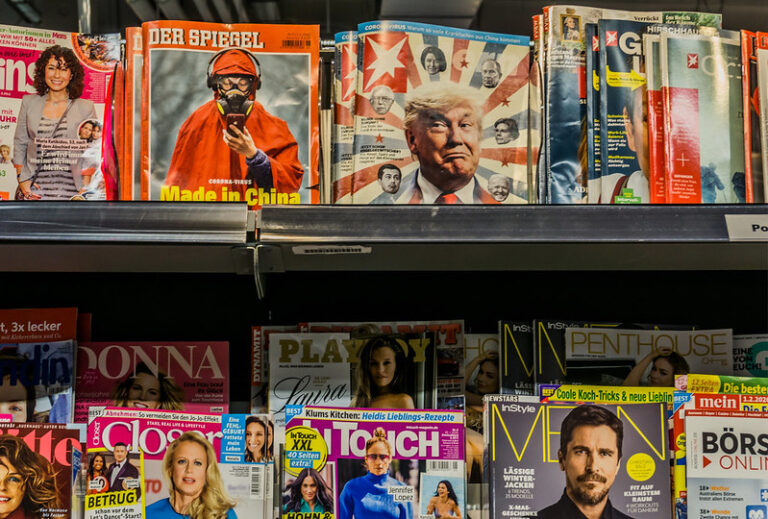
Populism has revealed one of its weaknesses, by displaying particularly ineffective crisis management. However, it is not clear that populism will be politically unsuccessful in the post-corona future. The ability of populists to mobilise supporters, to concentrate powers and to spread a narrative of the crisis aligned with their nationalist and authoritarian ideology should not be underestimated. They could show resilience by relying on a broader anti-globalist narrative, conspiracy theories and polarization.

Read more >

Tax implications of Covid-19. A fundamental transformation of tax systems is needed in the wake of COVID-19

While the 2008/2009 global economic crisis had many negative consequences, one positive effect was that it massively accelerated international cooperation on tax matters. This is the kind of impetus that we also need for tackling the Covid-19 pandemic. The focus is not on generating more revenues, but rather primarily on achieving greater equity in the way that revenues are generated. This requires more public discussion of fair taxation. After all, the way that resources are mobilised and deployed to tackle the crisis will also have an impact on state legitimacy and social cohesion.

Read more >

Sign up
for our newsletter 

Scroll to Top