Publications 

ETTG offers analysis and evidence-based discussions on all aspects of development cooperation. Outputs range from blogs, policy briefs and collective reports to informal takeaways from network events.

European independent think tanks

The six institutes that compose ETTG cover all aspects of international development and cooperation policy.. They share a strong commitment to higher global welfare, and a strong belief in the importance of better collective action to achieve global goals. As think-tanks, and as policy-focused research institutes, they also share a commitment to effective outreach and engagement with policy-makers and policy processes.

Generic selectors
Exact matches only
Search in title
Search in content
Post Type Selectors
Category

Latest

Policy coherence issues emerging from COVID-19 with a focus on healthcare supply chains

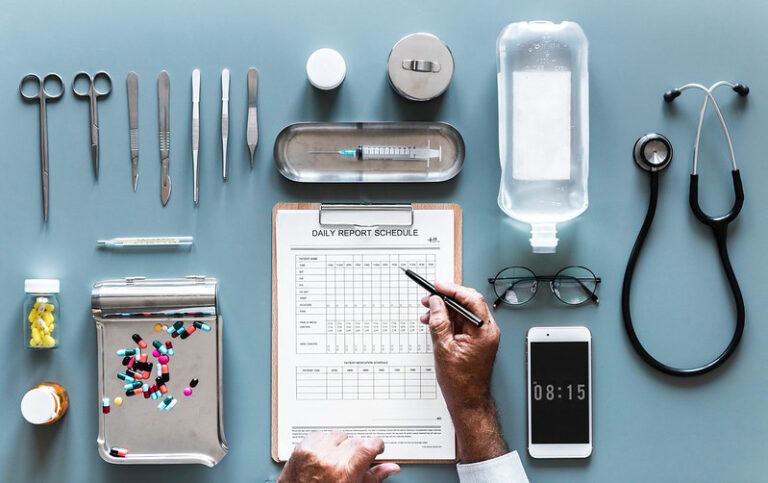
The management of the coronavirus pandemic has been considerably impaired by a dearth of essential medical and pharmaceutical products. Disruptions in supply chains for healthcare goods have caused shortages and tight inventories. The reliance of many countries, particularly in Europe and Africa, on products imported from a few international suppliers is largely the result of the process of globalisation in the past decades. In conjunction with the lack of preparedness of health and civil protection systems, interdependencies in healthcare sectors, notably between Europe and Asia, made them vulnerable to a crisis affecting both exporters and importers.
Read more >

Following the money: Why a COVID-19 marker might not help

The EU is putting forward the idea of a COVID-19 marker on aid data to track the unprecedented mobilisation of resources to tackle the crisis globally. Rather than such a marker, the EU should consider supporting more sustainable and technologically-savvy approaches to ensure much needed transparency and accountability. The EU could back a number of other initiatives that are likely to better meet information needs, strengthening data ecosystems in developing countries and improving global reporting during and beyond the ongoing crisis.

Read more >

Energy renovation of buildings in the French recovery plan: an opportunity to be seized and pitfalls to be avoided

Energy renovations are a priority for post-crisis recovery plans, both in France, in the European Union and in the world.1 This urgency can be explained both by its rapidly mobilizable economic potential, its key role for climate policies, and by the importance of the fight against energy poverty in a context of increasing vulnerabilities. While proposals for France’s recovery plans abound,2 the challenge now is to identify the most effective levers for combining economic recovery with scaling-up of highly performant deep retrofits, which is a prerequisite for moving onto a convergent path with France’s national low-carbon strategy.

Read more >

The China-Africa summit on COVID-19: Geopolitical and economic considerations

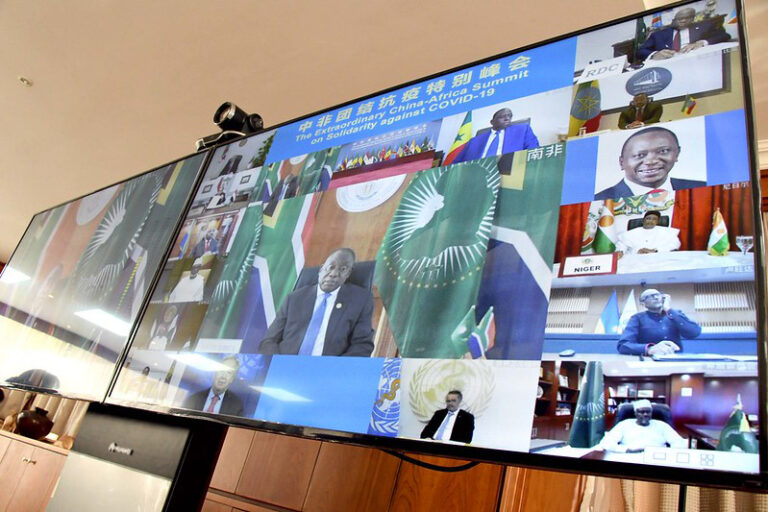
While the EU weeps over the slow progress in the preparation of the EU-Africa Summit in October – partly slowed down by the COVID-19 pandemic – China and African leaders held an ‘Extraordinary China-Africa Summit on Solidarity Against COVID-19’ last week. Thirteen African leaders took part in this virtual event, including South Africa’s President and African Union Chairperson, Cyril Ramaphosa, and Moussa Faki Mahamat, Chair of the African Union Commission.

Read more >

Covid-19, Poverty, and Inequality Growing inequality can worsen the pandemic’s effects

The impacts that Covid-19 has brought about in our daily lives are very apparent. Less apparent is the immediate implications of the pandemic for global poverty. In terms on the effects on livelihoods, however, impacts are going to hit vulnerable communities the hardest. Any net loss for them represents a larger share of their already limited income and the effects will be felt well beyond shocks to their income.

Read more >

Sign up
for our newsletter 

Scroll to Top