Publications 

ETTG offers analysis and evidence-based discussions on all aspects of development cooperation. Outputs range from blogs, policy briefs and collective reports to informal takeaways from network events.

European independent think tanks

The six institutes that compose ETTG cover all aspects of international development and cooperation policy.. They share a strong commitment to higher global welfare, and a strong belief in the importance of better collective action to achieve global goals. As think-tanks, and as policy-focused research institutes, they also share a commitment to effective outreach and engagement with policy-makers and policy processes.

Generic selectors
Exact matches only
Search in title
Search in content
Post Type Selectors
Category

Latest

Continuity and Change in European Union-Africa Relations on Peace and Security

The European Union (EU) and the African Union (AU) maintain a long-standing partnership on peace and security which can be qualified as constructive. It is largely based on joint interests and objectives and is less contentious compared to other more challenging topics, such as migration and trade. The EU’s new seven-year budget for 2021 – 2027 introduces new ways of working which impact on how the EU will engage on peace and security in Africa. Most notable in this regard is the establishment of the European Peace Facility (EPF) which can potentially undermine the AU’s role in leading and coordinating peace and security measures on the continent. Moreover, these new developments take place against the backdrop of an overall troubled EU-AU relationship which suffers not only from the divergences in interests in key areas such as migration, trade and climate but also from the consequences of the COVID-19 pandemic, and global geopolitics.

Read more >

A new multilateralism for the post-COVID world: What role for the EU-Africa partnership?

Multilateralism has been in trouble for a while, particularly​ ​at the global level. Yet, the European Union (EU) and its​ ​member states have remained among its staunchest​ ​supporters.​I​n their June 2019 Council Conclusions, EU​ ​leaders drew the outlines of a common European vision to​ ​uphold, extend and reform the multilateral system. Against​ ​an increasingly complex and contested geopolitical​ ​backdrop, these goals were further developed in the​ ​recent EU Communication on Multilateralism, published in​ ​February 2021.

Read more >

COVID-19 and the Global Vaccine Race

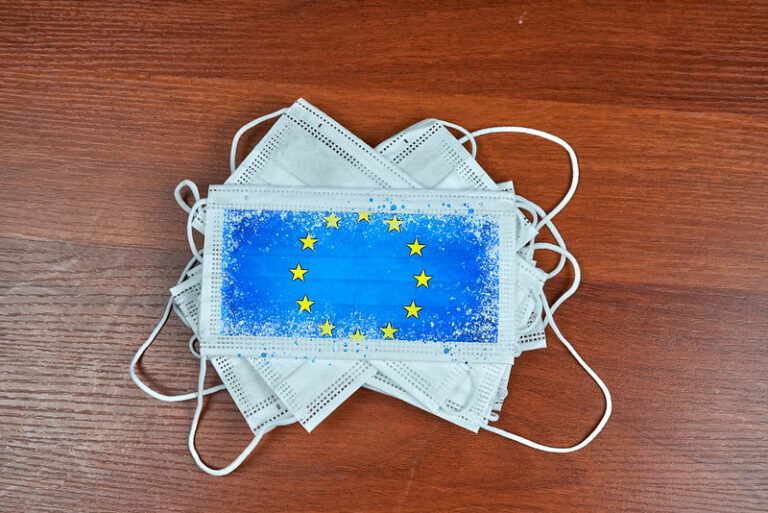
If 2020 was the year of “mask diplomacy”, as countries raced to tackle the spread of the SARS-CoV-2 virus and acquire the necessary protective gear and equipment, 2021 is likely to be remembered as the year of “vaccine diplomacy”. Growing competition between states to secure the necessary quantities of vaccines to inoculate their population has already become an established feature of the post-COVID international system and such trends are only likely to increase in the near future.

Read more >

DG INTPA InfoPoint Virtual Conference event on “COVID-19: How can the EU support its partner countries to avoid and resolve debt crises?”

Many developing countries will not find their way out of the COVID-19 crisis on their own, and in addition to the direct public health and economic implications face both immediate and medium-term fiscal challenges. As long-standing providers of concessional finance and direct investment to developing countries, the international community and

Read more >

Sign up
for our newsletter 

Scroll to Top