Publications 

ETTG offers analysis and evidence-based discussions on all aspects of development cooperation. Outputs range from blogs, policy briefs and collective reports to informal takeaways from network events.

European independent think tanks

The six institutes that compose ETTG cover all aspects of international development and cooperation policy.. They share a strong commitment to higher global welfare, and a strong belief in the importance of better collective action to achieve global goals. As think-tanks, and as policy-focused research institutes, they also share a commitment to effective outreach and engagement with policy-makers and policy processes.

Generic selectors
Exact matches only
Search in title
Search in content
Post Type Selectors
Category

Latest

The role of Public Development Banks in supporting the post-COVID-19 crisis recovery in emerging and developing countries

There is not a ‘one-size-fits-all’ solution to respond and recover from the current global health emergency and economic fallout resulting from COVID-19. A combination of pragmatic solutions is needed to face the debt issue and give countries room to make the policy choices and investments that will also lay foundations to recover, putting people and nature at the heart of economic growth and development.

Read more >

Is teleworking a driver towards more sustainable lifestyles?

The lockdown period related to the Covid-19 pandemic was marked by the requirement to teleworking for those who could do so. The possibility of its large-scale development burst into the public debate. This blog post gives an overview of the associated issues, and suggests ways to explore in a broader way the possible impacts on our lifestyles of a generalisation of teleworking.

Read more >

Health crisis and climate emergency: an opportunity to accelerate the diversification of oil companies’ activities?

The years preceding the health crisis linked to the Covid-19 pandemic, marked in particular by the oil counter-shock of 2014 and the signing of the Paris Climate Agreement of 2015, saw the emergence of (weak) signals of diversification of the activity and investment of certain oil companies—essentially the European majors—towards low-carbon energies. While these announcements could have a knock-on effect on the sector, they are still very insufficient in view of the effort required to initiate a rapid and profound transition of the sector towards decarbonisation,2 and are contested by several civil society actors.

Read more >

Reforming asylum in Europe: Lessons from local actors in Greece

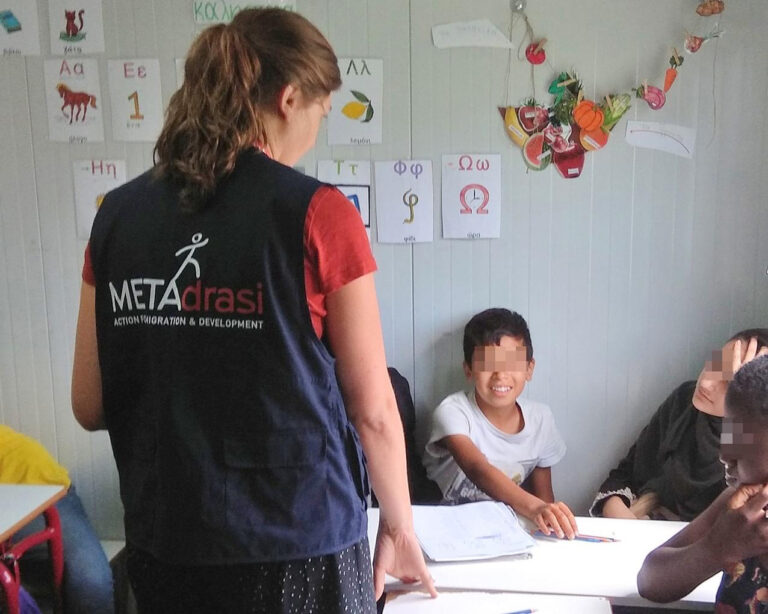
The COVID-19 pandemic has created an additional layer of difficulty for refugees and asylum seekers, with frontline states like Greece facing unprecedented pressure in dealing simultaneously with a  humanitarian crisis and the health crisis. The situation calls for EU states to speed up the reform of the Common European Asylum System (CEAS) since the current impasse is exacerbating the life conditions of thousands of refugees and asylum seekers.

Read more >

Sign up
for our newsletter 

Scroll to Top