Publications 

ETTG offers analysis and evidence-based discussions on all aspects of development cooperation. Outputs range from blogs, policy briefs and collective reports to informal takeaways from network events.

European independent think tanks

The six institutes that compose ETTG cover all aspects of international development and cooperation policy.. They share a strong commitment to higher global welfare, and a strong belief in the importance of better collective action to achieve global goals. As think-tanks, and as policy-focused research institutes, they also share a commitment to effective outreach and engagement with policy-makers and policy processes.

Generic selectors
Exact matches only
Search in title
Search in content
Post Type Selectors
Category

Latest

Pushing people further into poverty: the impact of Covid-19 in lower- and middle- income countries

Many of us are hopeful for a Covid-19 vaccine in the near future to overcome a tumultuous year. But for people living in poverty in lower- and middle-income countries, the crisis is far from over. Vaccinations are potentially still years away for these countries, and many donors have significantly cut their aid budgets. This threatens to reverse hard-fought progress to both lift people out of poverty and improve opportunities for women and girls. It also puts vulnerable groups, such as people with disabilities and migrants, at risk.

Read more >

Economic Pulse 1: Covid-19 and economic crisis – China’s recovery and international response

This is the first report in ODI’s Economic Pulse series. It explores China’s international economic response to Covid-19 and analyses its international engagements, especially in developing countries, in light of shifts in the global economic and political landscape. Our review of China’s economic response has an international focus due to the nature of the macroeconomic data, while project-level data and a policy review drill down into the effects of that response on developing countries.

Read more >

ETTG webinar event in cooperation with OECD – Weathering the storm: what role for multilateral development finance in response to the COVID-19 crisis

On Thursday 29 of October at 16:00 pm (CET) we hosted a webinar event in cooperation with OECD on multilateral development finance in response to the COVID-19 crisis. The webinar investigated the dynamics of the Multilateral Development Finance framework in the wake of COVID-19, and made concrete recommendations on the most effective and impactful ways forward.

Read more >

“Pray in Your Homes”: Religion and the State in North Africa in Times of COVID-19

COVID-19 has led governments across the Middle East and North Africa (MENA) to take a number of measures to battle the pandemic. Many of these actions directly related to religious practices such as the cancelation of the Hajj pilgrimage to Mecca, closing down mosques and amending the call to prayer from the usual “hayya alas-salah” or “come to prayer” to “salu fi buyutikum” or “pray in your homes”.

Read more >

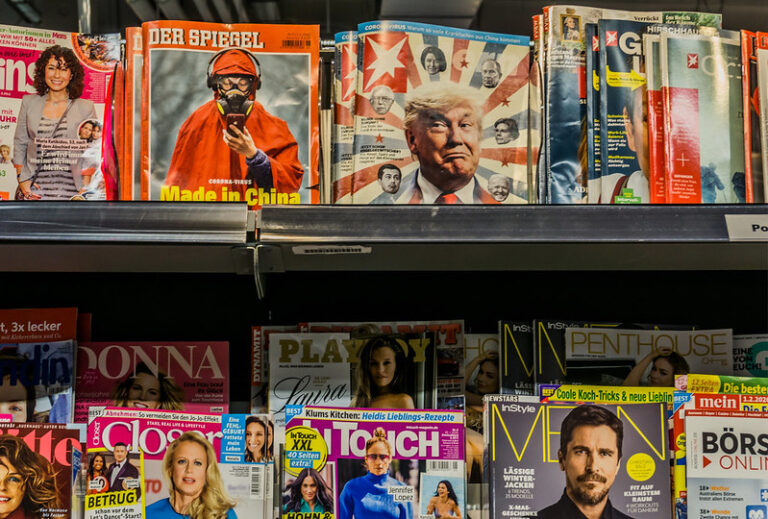
Profiteers of the pandemic? COVID-19 has not killed global populism

Populism has revealed one of its weaknesses, by displaying particularly ineffective crisis management. However, it is not clear that populism will be politically unsuccessful in the post-corona future. The ability of populists to mobilise supporters, to concentrate powers and to spread a narrative of the crisis aligned with their nationalist and authoritarian ideology should not be underestimated. They could show resilience by relying on a broader anti-globalist narrative, conspiracy theories and polarization.

Read more >

Tax implications of Covid-19. A fundamental transformation of tax systems is needed in the wake of COVID-19

While the 2008/2009 global economic crisis had many negative consequences, one positive effect was that it massively accelerated international cooperation on tax matters. This is the kind of impetus that we also need for tackling the Covid-19 pandemic. The focus is not on generating more revenues, but rather primarily on achieving greater equity in the way that revenues are generated. This requires more public discussion of fair taxation. After all, the way that resources are mobilised and deployed to tackle the crisis will also have an impact on state legitimacy and social cohesion.

Read more >

Sign up
for our newsletter 

Scroll to Top