Publications 

ETTG offers analysis and evidence-based discussions on all aspects of development cooperation. Outputs range from blogs, policy briefs and collective reports to informal takeaways from network events.

European independent think tanks

The six institutes that compose ETTG cover all aspects of international development and cooperation policy.. They share a strong commitment to higher global welfare, and a strong belief in the importance of better collective action to achieve global goals. As think-tanks, and as policy-focused research institutes, they also share a commitment to effective outreach and engagement with policy-makers and policy processes.

Generic selectors
Exact matches only
Search in title
Search in content
Post Type Selectors
Category

Latest

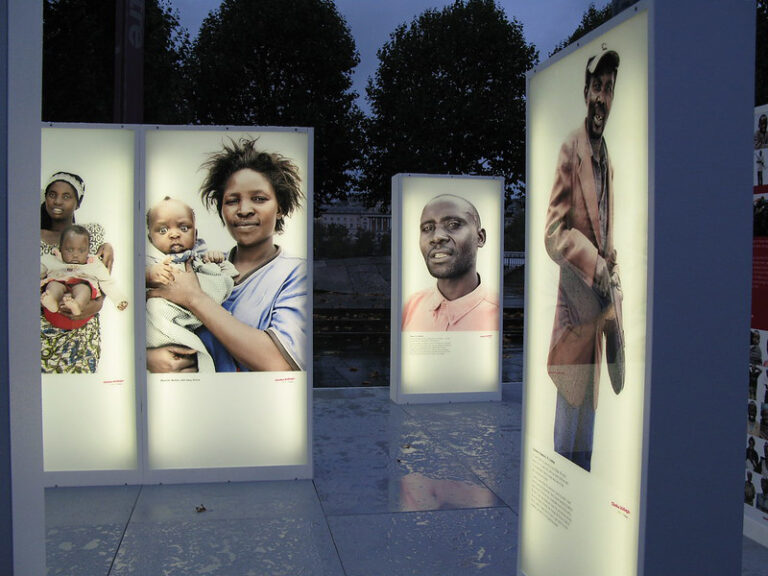
Reforming asylum in Europe: Lessons from local actors in Greece

The COVID-19 pandemic has created an additional layer of difficulty for refugees and asylum seekers, with frontline states like Greece facing unprecedented pressure in dealing simultaneously with a  humanitarian crisis and the health crisis. The situation calls for EU states to speed up the reform of the Common European Asylum System (CEAS) since the current impasse is exacerbating the life conditions of thousands of refugees and asylum seekers.

Read more >

Power Shifts and the Risk of a “Crisis Within the Crisis”: COVID, Oil and the MENA Region

COVID-19 triggered a collapse in oil prices from approximately 60 to 20 dollars per barrel between January and April 2020. Signs of a rebound are visible but prices remain well below the breakeven for many producers. If prices stay this low for long, or if they fall again after a partial rally in a relapse scenario, the world may witness a crisis within the crisis, with even further adverse effects on the world economy.

Read more >

Building trust, not tracking, should be the cornerstone of Covid-19 debt relief

Debt relief is back. Again. The “once-in-a-generation” debt cancellation of 15 years ago has returned to the agenda as indebted countries struggle to finance their response to Covid-19. Suspending collection of debt repayments is one practical thing – among others – that rich countries can do relatively quickly to free up money for poor countries during this crisis.

Read more >

Achieving the 2030 Agenda for Sustainable Development: A necessary horizon for the post-crisis recovery, but how to do it?

The current health crisis has shown, both in its emergence and in its impacts, multifaceted and interconnected risks and vulnerabilities, both in humanitarian and social, economic and environmental terms. Most of the 17 Sustainable Development Goals are concerned, individually and above all in their indivisibility, which constitutes the core and added value of the 2030 Agenda for Sustainable Development. In the context of post-crisis reconstruction, more than ever, the implementation of this universal agenda is a necessity, particularly to reduce vulnerabilities to crises by optimising the interactions between the SDGs. This post proposes some avenues.

Read more >

Pockets of effectiveness. What we can learn from and about africa in the corona crisis

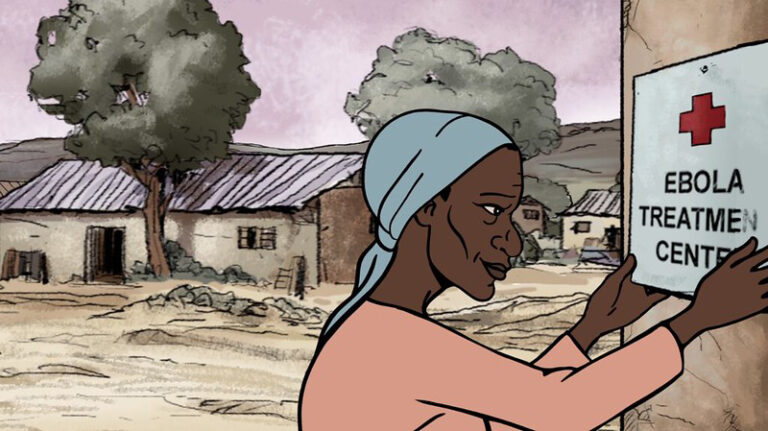
Is Africa defenceless in the face of the corona pandemic? This would appear to be self-evident, as even health care systems far better equipped than those of many African countries are currently on the verge of collapse. Nonetheless, such a conclusion is premature. In part, some African countries are even better prepared for pandemics than Europe and the United States. Nigeria’s success in fighting its 2014 Ebola outbreak illustrates why that is the case and what lessons wealthier countries and the development cooperation community can learn from it.

Read more >

Sign up
for our newsletter 

Scroll to Top